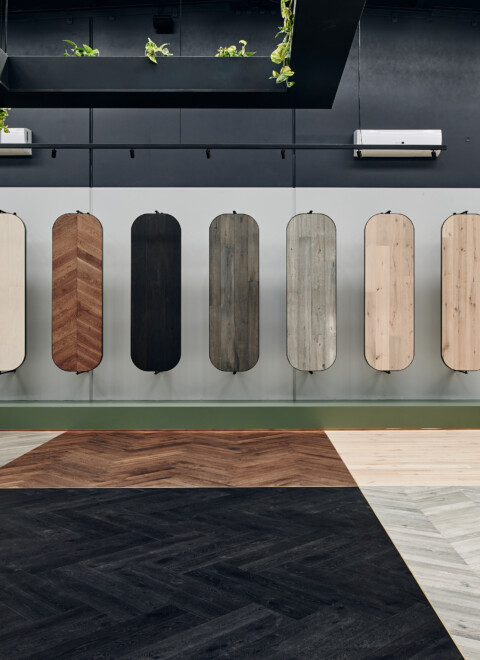
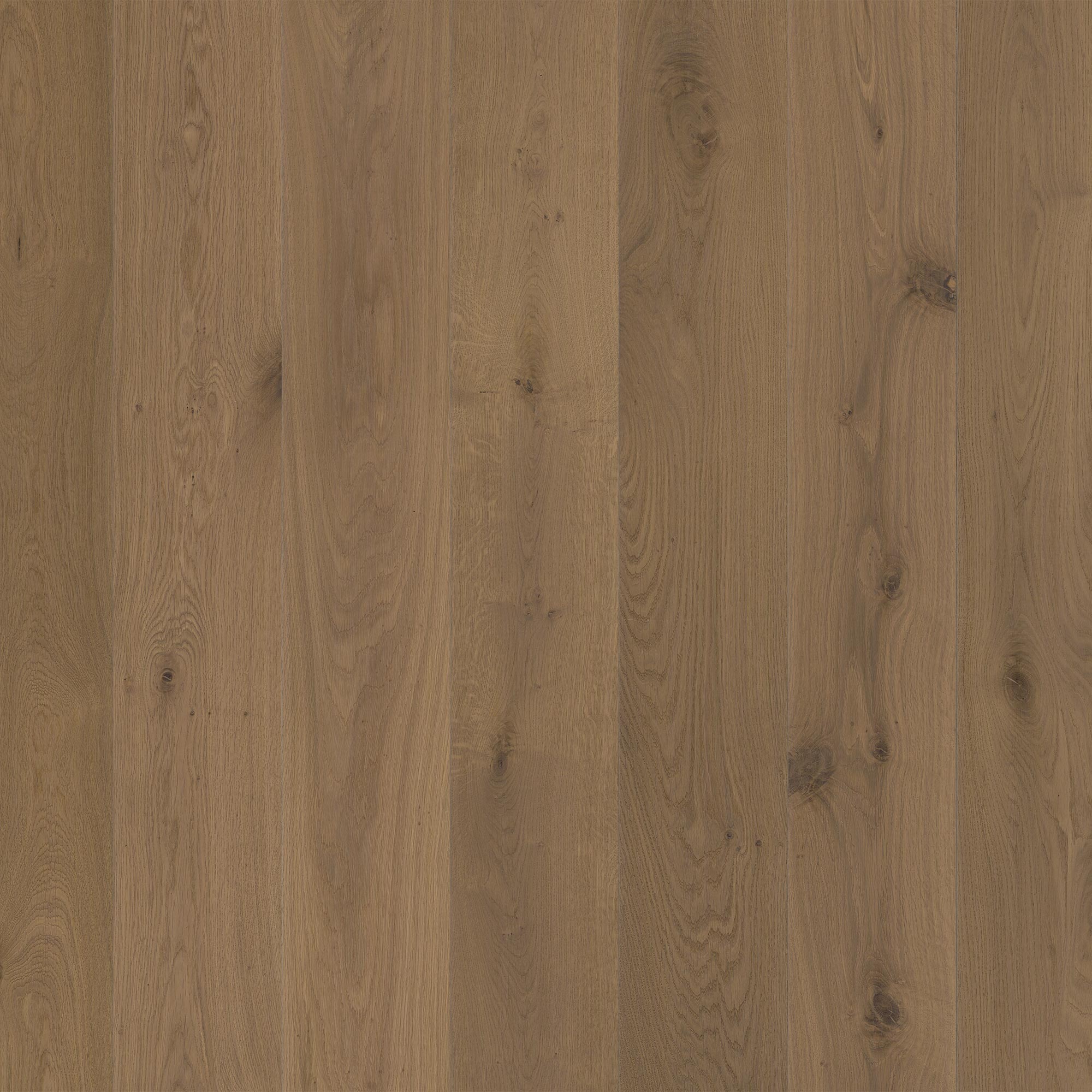
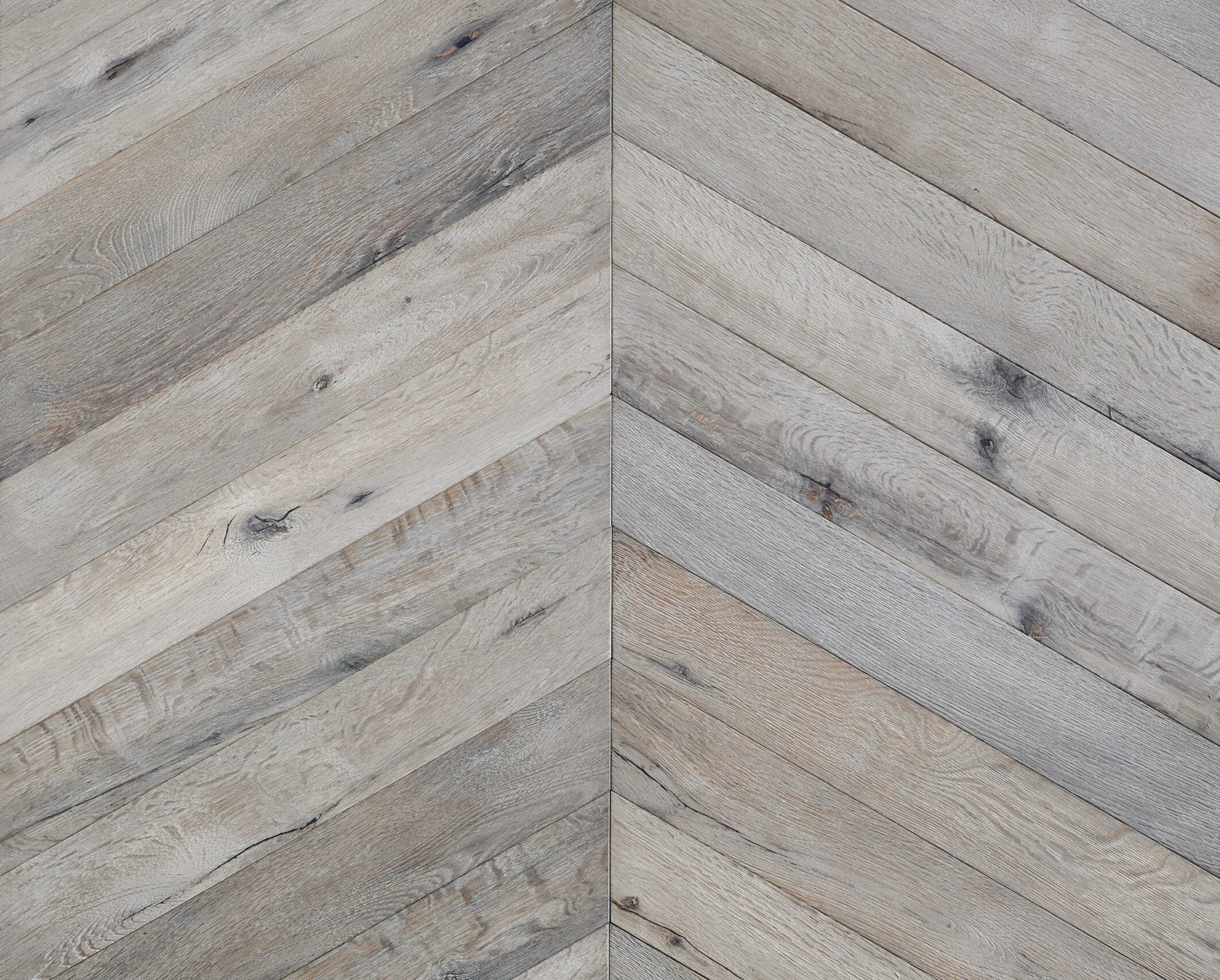




Choosing timber flooring for your home is one of the most significant design decisions you’ll make. It’s the foundation that anchors every other element in your space, affects how light moves through your rooms, and quite literally supports your daily life for decades to come. Yet with countless timber species, construction types, finishes, and grades available, the decision can feel overwhelming.
This comprehensive timber floor buyers guide cuts through the confusion. Whether you’re building new, renovating, or simply replacing worn floors, you’ll discover exactly what to consider, what questions to ask, and how to choose timber flooring that perfectly matches your lifestyle, aesthetic vision, and budget.
Types of timber flooring
Before diving into species and aesthetics, it’s essential to understand the fundamental construction difference between the two main timber flooring types available today.
Engineered timber flooring
Engineered timber flooring combines a real hardwood veneer with a stable, multi-layered core – offering the look of solid timber with added durability and versatility. Thanks to its construction, it resists movement from humidity and temperature changes, making it ideal for Australian conditions, including coastal areas and homes with underfloor heating.
It’s compatible with a range of subfloors (including concrete) and is directly glued to reduce the risk of movement, squeaks or bounce. Overall feeling more solid underfoot.
Engineered timber also makes smarter use of hardwood resources, reducing environmental impact without compromising on aesthetics. Just check the wear layer – aim for at least 4mm to allow for refinishing and long-term performance.
Solid timber flooring
Solid timber is the classic choice – each board milled from a single piece of hardwood, often 19–21mm thick. It’s the kind of flooring found in heritage homes, known for its ability to be sanded and refinished many times over a lifespan that can stretch beyond 50 years.
That said, solid timber does come with limitations. It’s more prone to movement from humidity and temperature shifts, installation is more involved, and it typically comes at a higher price point.
Which type is right for your home?
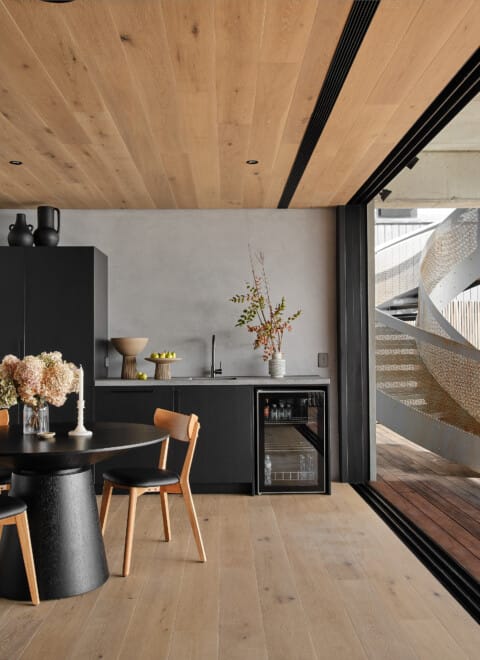
For most Australian homes, particularly new builds and renovations, engineered timber flooring offers the best balance of performance, versatility, and value. Its stability in varying conditions, installation flexibility, and sustainability credentials make it the contemporary choice without compromising on the natural beauty of timber.
Solid timber remains an excellent option for heritage restorations, homes with existing timber subfloors, or when you’re prioritising maximum refinishing potential over decades of use. However, the practical advantages of engineered construction have made it the preferred choice for the majority of residential applications.
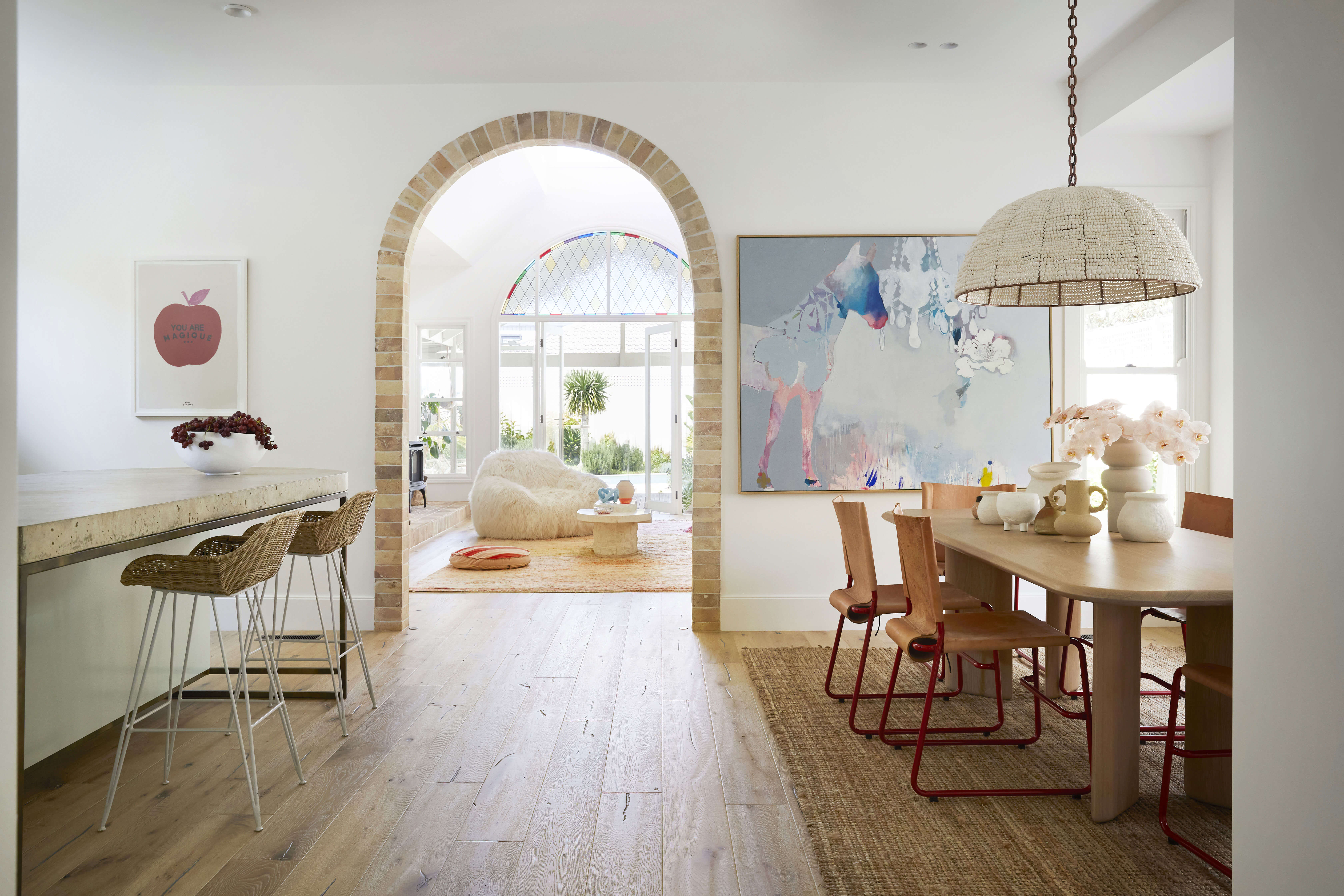
Consider timber species: characteristics, hardness, and grain
Once you’ve decided on construction type, the next major decision involves selecting your timber species. Each species brings distinct characteristics in terms of colour, grain pattern, hardness, and overall character.
The Janka Hardness Rating
Before exploring specific species, understand the Janka hardness rating, a measurement of timber’s resistance to denting and wear. The test measures the force required to embed a steel ball halfway into the wood. Higher numbers indicate harder, more dent-resistant timber.
For Australian homes, a Janka rating above 5.0 kN is considered suitable for moderate to high traffic areas. While hardness matters, it’s not the only factor, consider grain character, colour stability, and how the species takes to finishing.
European timber species
European Oak is a go-to for modern interiors – think Scandinavian, minimalist, and contemporary styles. While softer than Australian hardwoods, its even grain and open texture make it highly adaptable to a wide range of stains, from pale blondes to deep espresso tones.
In rustic or feature grades, you’ll also see natural knots and colour variation that add authenticity and warmth – perfect for spaces that need softening or character.
Grain and visual character
Grain pattern has a big impact on the overall feel. Straight, uniform grain delivers a calm, clean aesthetic – ideal for refined, minimalist spaces. More pronounced or wavy grain brings movement and texture, adding warmth and visual interest.
Gading matters too: heavily wire-brushed (natural) or soft in texture (prime), finding the right look for your project goes with lifestyle and aesthetic preferences.
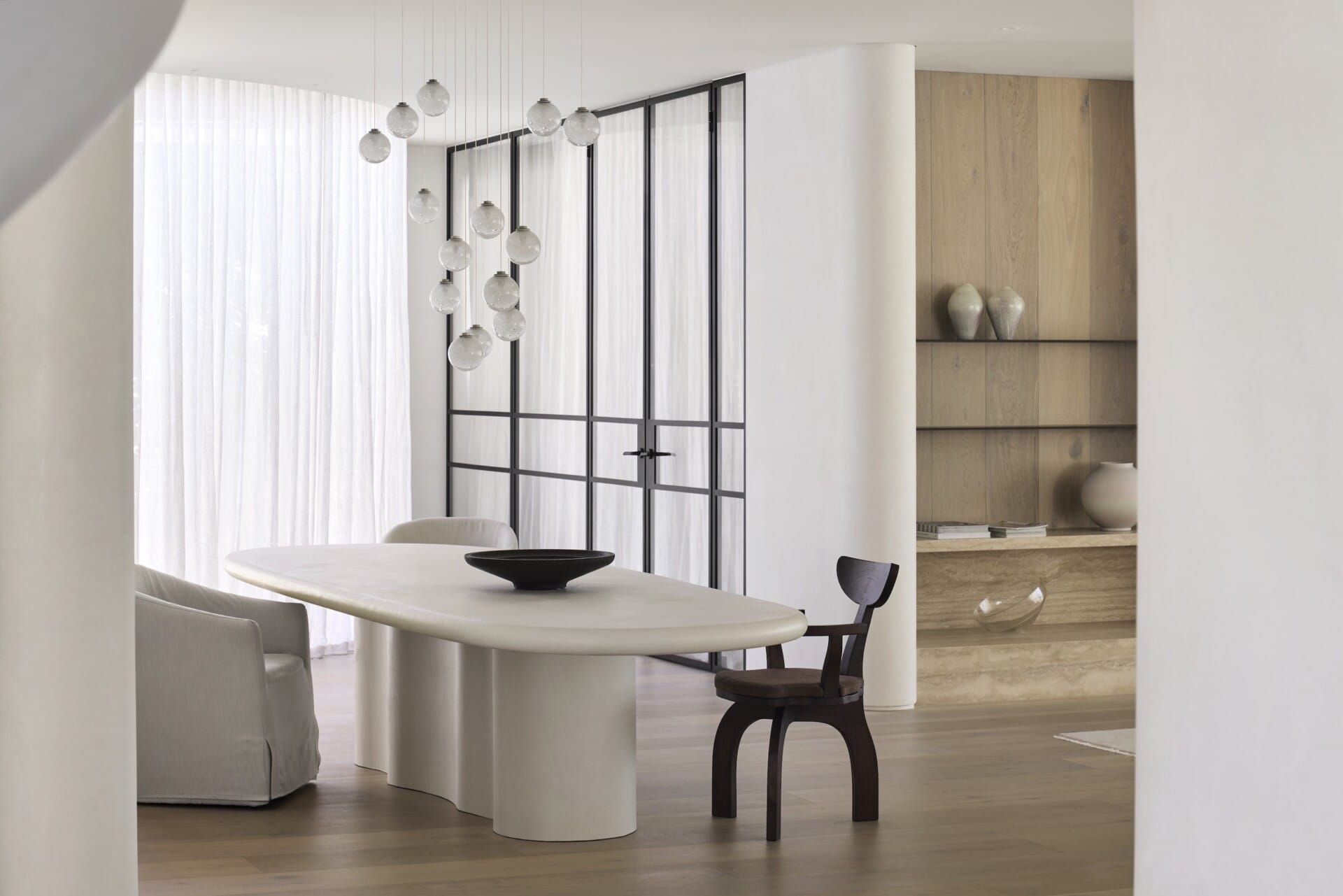
Timber grades: select, standard, and feature
When choosing timber flooring, grade refers to visual character - not quality. All grades offer the same structural integrity, but each presents a different look depending on how much natural variation you’d like to see across your boards.Some homeowners fall deeply in love with feature grade's authenticity, while others find the variation too busy for their taste. Seeing detailed visual examples of each grade helps clarify which level of natural character suits your aesthetic preferences.Prime Grade
Prime grade offers the cleanest, most uniform appearance. Expect minimal knots, a consistent grain, and even colour tone. It’s ideal for minimalist or refined interiors where the flooring sets a subtle, elegant foundation. Because it uses only the most select sections of each board, Prime grade typically sits at the premium end.Natural Grade
Natural grade strikes a balance - more character than Prime, but still with a clean and cohesive overall look. You’ll see light knots, varied grain patterns, and subtle colour shifts that reflect the natural beauty of the timber. It suits most homes, offering warmth and authenticity without feeling too rustic.Feature Grade
Feature grade embraces timber in its most expressive form. Think bold grain variation, larger knots, gum veins, and distinctive colour contrasts. Each board tells its own story, creating a floor with real personality. Perfect for relaxed, character-rich interiors, especially in large, open spaces where the variation enhances the room’s visual depth.
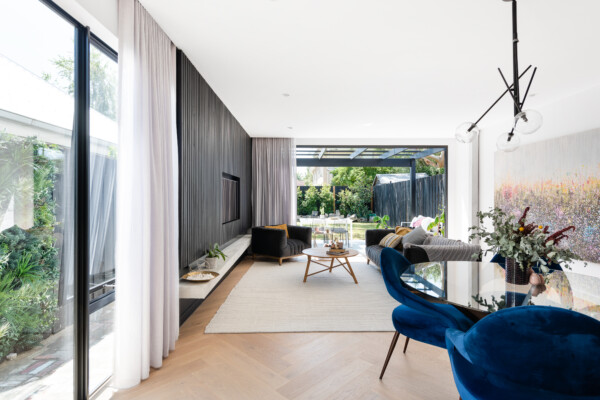
Finishes and treatments
The finish applied to your timber flooring dramatically affects both its appearance and maintenance requirements. This decision impacts everything from how light reflects off your floors to your daily cleaning routine.
Lacquer finishes
Lacquer creates a hard-wearing, UV-cured layer that protects the timber’s surface – making it a popular, low-maintenance option for busy homes.
Gloss finishes offer high shine and reflectivity, adding brightness and formality to a space, but they do show dust and marks more easily.
Satin is the most popular choice, striking a refined balance between sheen and practicality. It feels polished, without the upkeep of gloss.
Matte delivers a contemporary, low-sheen look that hides imperfections and suits modern, relaxed interiors beautifully. The choice between matte vs satin finish timber floors often comes down to your interior style and how much sheen you want reflected back into the room.
Lacquered floors are easy to care for – just sweep regularly and damp mop with the right timber floor cleaner to keep them looking their best. Understanding the specific care requirements for lacquered maintenance ensures your floor stays protected and beautiful for years
Natural oil finishes
Oil penetrates into the timber rather than sitting on top, enhancing the wood’s natural colour and texture while providing protection. Oiled floors have a more organic, matte appearance that many find warmer and more authentic than lacquer.
The advantage of oil is that it can be spot-repaired. A localised scratch or wear area can be sanded and re-oiled without needing to refinish the entire floor. Oil also allows the timber to patina naturally over time, developing character that many homeowners love.
However, oiled floors require more frequent maintenance, typically an annual re-oiling to maintain protection. They’re also more susceptible to water marks and staining, requiring more immediate attention to spills.
Textured surfaces
Beyond finish type, consider surface texture. Smooth, flat timber provides a refined, formal appearance. Wire-brushed finishes remove softer grain, creating subtle texture that emphasises the wood’s natural pattern while providing slip resistance, excellent for families with young children or elderly residents.
Hand-scraped or distressed finishes create an aged, rustic appearance with intentional irregularities in the surface. These work beautifully in heritage homes or character-rich interiors but won’t suit minimalist or contemporary aesthetics.
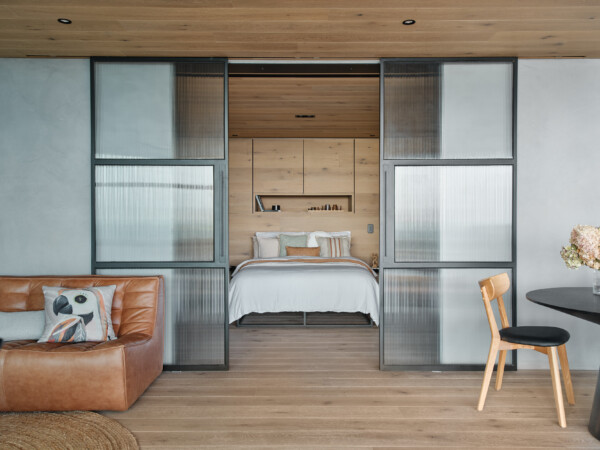
Colour, tone, and design integration
Timber floor colour profoundly impacts your entire interior design. Getting this right means considering not just your current furniture, but how the floor will adapt as your style evolves over the years.Light timber tones
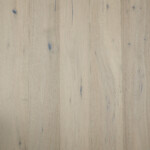
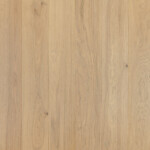
Pale, blonde, and whitewashed timber tones have dominated Australian design in recent years, and their popularity shows no signs of waning. Light floors create an airy, spacious feeling, particularly valuable in smaller homes or rooms with limited natural light.These tones work beautifully with Scandinavian, coastal, and contemporary minimalist aesthetics. They provide a neutral foundation that allows furniture, artwork, and other design elements to take centre stage. Light floors also show less dust and dirt than dark floors, a practical consideration for busy households.The challenge with very light finishes is that they may show wear patterns more visibly over time, particularly in high-traffic areas. They also limit some darker furniture and design choices, everything in the room needs careful consideration to avoid harsh contrast.Medium timber tones
Natural, honey, and medium brown tones represent timeless versatility. These classic timber colours work with virtually any interior style, from traditional to contemporary. They hide wear well, don't show dust easily, and provide enough warmth to create welcoming spaces without overwhelming the room.Medium tones offer design flexibility, they pair beautifully with both light and dark furniture, work with various wall colours, and adapt as your style evolves. For homeowners unsure about committing to very light or very dark floors, medium tones provide a safe, sophisticated choice.Dark timber tones
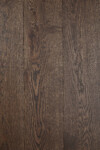
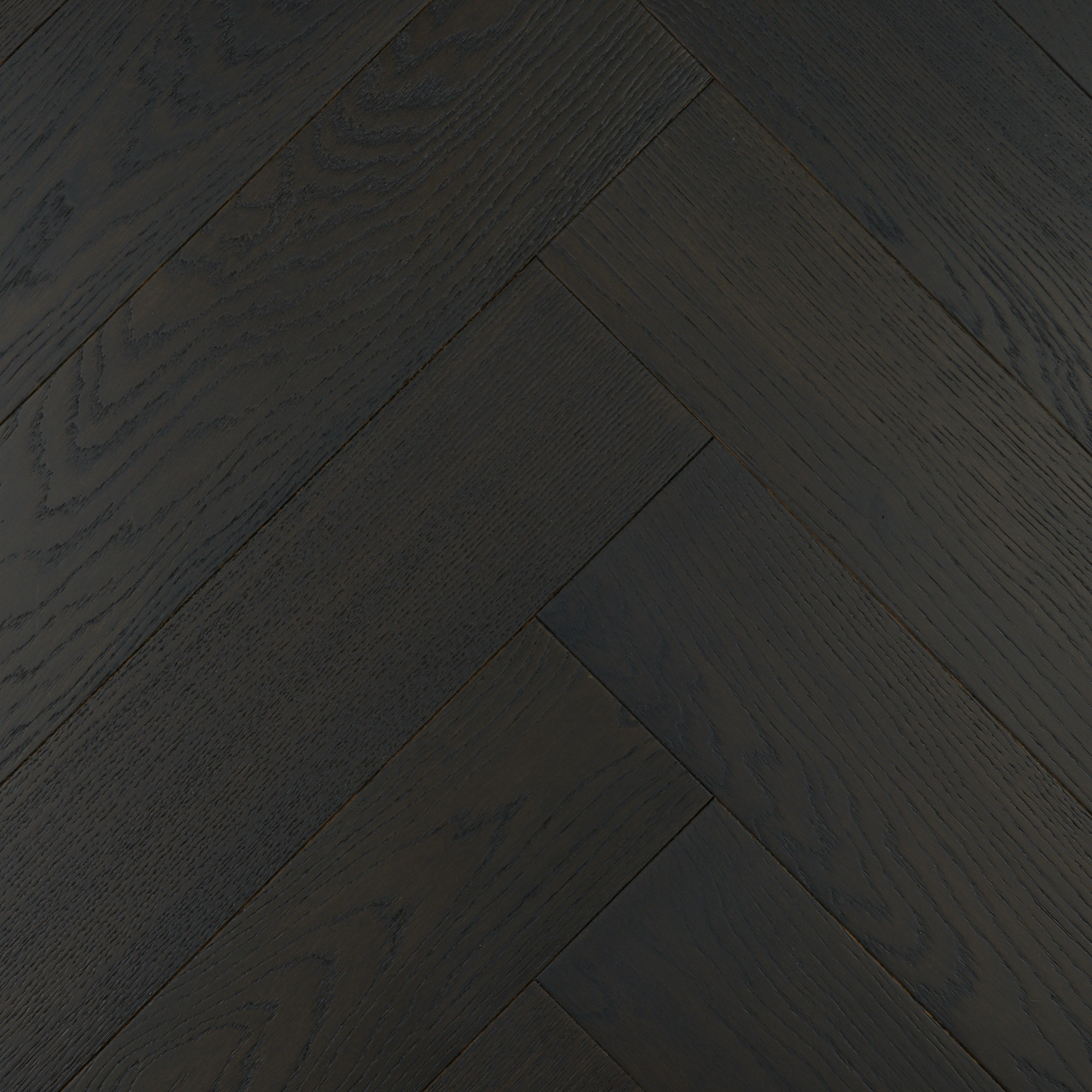
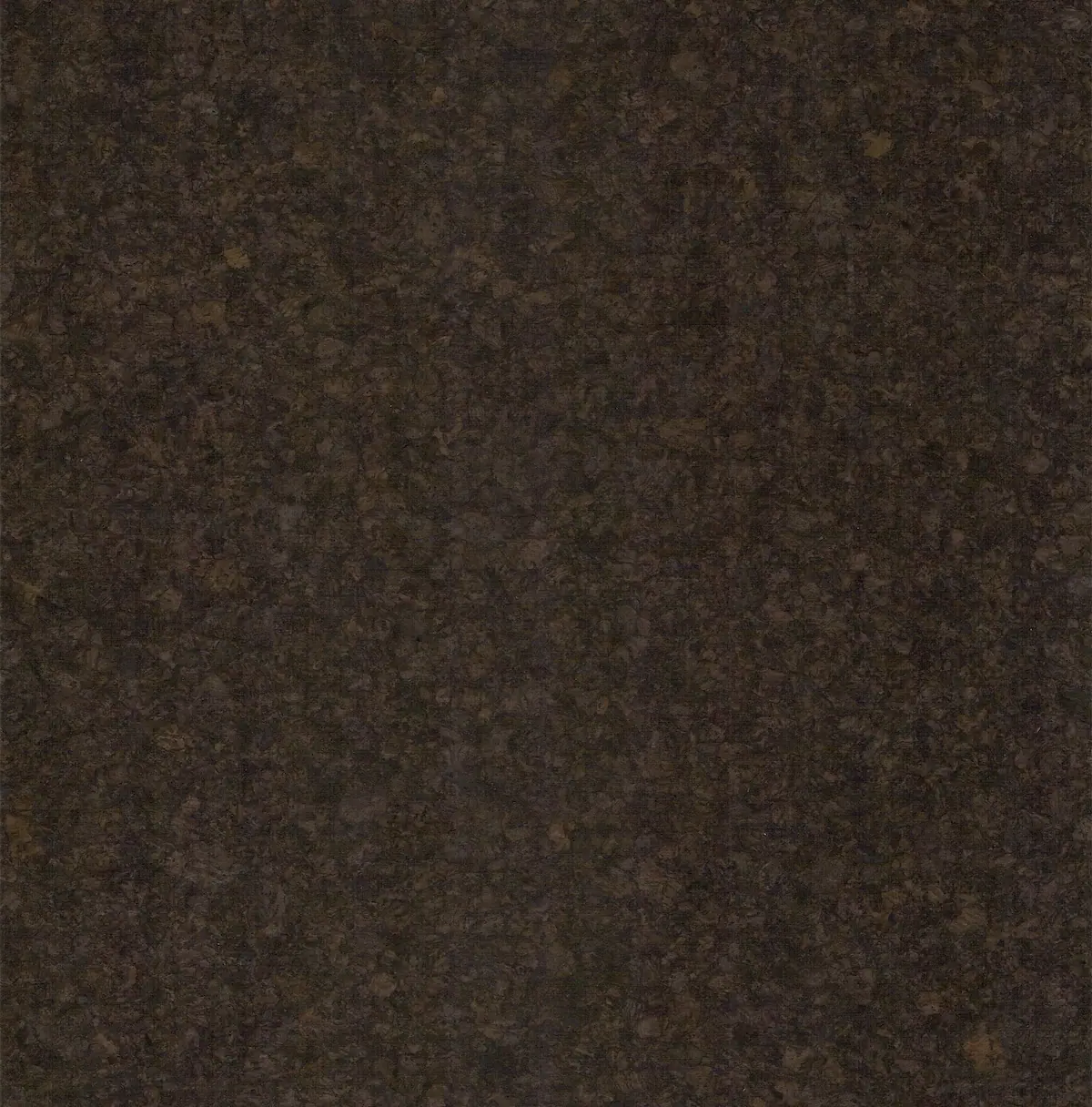
Deep browns, rich chocolate, and espresso tones create drama, sophistication, and intimacy. Dark floors make bold statements and work particularly well in formal areas, spacious rooms with abundant natural light, and when you're pursuing a luxurious, refined aesthetic.The trade-off is practical, dark floors show dust, scratches, and pet hair more readily than lighter options. They can also make small rooms feel more closed-in. However, in the right space with commitment to maintenance, dark timber floors deliver unmatched elegance and presence.Consider your space
Timber flooring colour shifts with different lighting conditions throughout the day. That pale oak sample that looked perfect in the showroom might read differently in your north-facing living room at sunset. Before committing, view large samples in your actual space at different times of day.Climate also plays a role. In bright, coastal homes, slightly deeper tones can feel more grounded. In darker rooms or southern-facing spaces, lighter tones help keep things feeling open.Don’t forget your existing palette - walls, cabinetry, benchtops, and furniture all influence how your flooring reads. When unsure, opt for a neutral tone that complements rather than competes
Understanding which timber flooring suits your lifestyle helps coordinate timber choices with your daily living patterns and interior preferences.
Installation and subfloor requirements
Even the finest timber flooring will underperform without proper installation. This is one area where professional expertise delivers returns that far exceed the investment.Subfloor assessment
Your subfloor determines what kind of timber flooring will work best. Engineered timber is ideal for concrete slabs (common in modern homes), and can be either glued directly or floated with underlay.Timber subfloors are more flexible, supporting both solid and engineered options—but they must be level, dry, and structurally sound. Moisture testing is essential to avoid long-term issues like cupping or gapping. Subfloor prep isn’t the glamorous part of a flooring project, but it’s critical to getting the result you want.Installation methods
- Direct Glue: The most stable and seamless method—ideal for engineered timber over concrete. It feels solid underfoot and delivers long-term performance.
- Floating: A quicker option where boards click together over an underlay. Less invasive and easier to replace, though it can feel slightly less firm underfoot.
- Secret Nail: A traditional method for solid timber over timber subfloors, using angled nails hidden in the board tongue. It requires skill and the right site conditions.
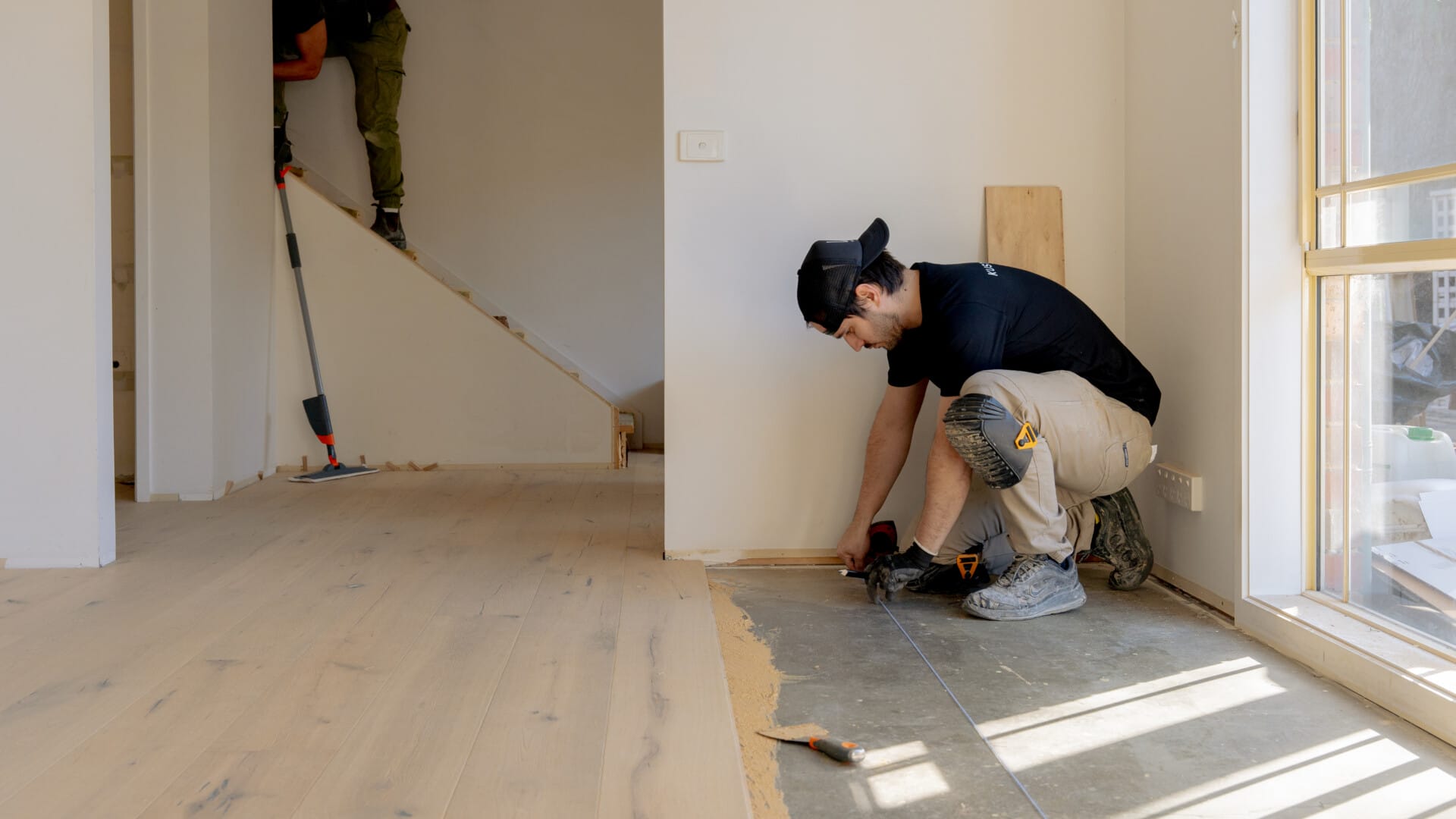
Why professional installation matters
Professional installation isn’t just about skill, it’s about accountability. Qualified installers understand moisture management, expansion gaps, subfloor preparation, and the myriad details that separate adequate from exceptional results.
They also have the tools, experience, and insurance to handle challenges that arise, uneven subfloors, difficult room shapes, integration with stairs or other features. Most importantly, professional installation usually carries warranties that protect your investment.
Professional installation services typically begin with a thorough site assessment, ensuring your specific conditions are understood before any boards are ordered. This attention to detail prevents costly surprises and ensures your flooring performs beautifully for decades. Understanding the technical specifications of proper installation helps you appreciate why professional expertise matters.
Climate and location factors
Australia’s diverse climate zones create different challenges for timber flooring. Coastal areas deal with higher humidity levels, requiring timber with good dimensional stability, another point in favour of engineered construction. Inland areas experience greater temperature swings and lower humidity, which can cause timber to contract and gap if not properly managed.
Northern tropical regions face extreme humidity and potential moisture issues, making engineered timber with appropriate moisture barriers essential. Southern regions with cooler, more consistent climates offer ideal conditions for timber flooring, though proper installation practices still matter.
Professional installers understand these regional variations and adjust installation techniques accordingly, expansion gaps, adhesive selection, and acclimation periods all vary based on local conditions.
Maintenance, care, and longevity
Timber flooring’s longevity depends heavily on proper maintenance. The good news is that keeping timber floors beautiful requires less effort than most people imagine.
Weekly Maintenance
Regular sweeping or dry mopping keeps grit from scratching your floor’s surface. Use a soft broom or microfibre mop – and if vacuuming, disable the beater bar to avoid damage.
Lacquered floors benefit from a damp (never wet) mop with timber floor cleaner. Oiled floors should be dust-mopped regularly and refreshed with compatible cleaners as needed.
Preventative care
Simple habits dramatically extend your floor’s lifespan. Place doormats at entrances to capture grit before it reaches your timber. Use felt pads under furniture legs to prevent scratches when moving chairs or tables. Trim your pets’ nails regularly to minimise scratch risk.
Manage sunlight exposure with window treatments, prolonged direct sunlight fades timber over time and can create noticeable colour differences where rugs have been placed. Rotate area rugs periodically to allow even fading.
Address spills immediately. While properly finished timber flooring resists moisture, no floor is waterproof. Wipe up spills promptly to prevent water marks or finish damage.

Long-term maintenance
Lacquered floors can show wear over time, but a professional recoat (usually after 10–15 years) brings them back to life without full sanding.
Oiled floors need annual or biannual re-oiling to maintain protection—something many homeowners handle themselves, or leave to a professional for a flawless finish.
With proper care, quality timber flooring lasts for decades. Engineered boards with thick wear layers can be refinished once or twice, while solid timber offers even more longevity.
Getting the right guidance on timber maintenance and aftercare helps you protect your investment and extend your floor’s beautiful appearance for generations.
Cost considerations and value
Timber flooring represents a significant investment, and understanding the cost factors helps you make informed decisions that balance budget with quality.
Initial investment factors
A few key factors shape the investment:
- Species: Local Australian hardwoods often carry a premium, while European Oak offers versatility across a range of finishes and grades.
- Grade: Prime grade demands higher material selectivity and craftsmanship, while Feature grade offers a more expressive, character-rich aesthetic.
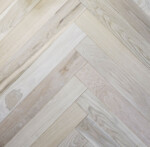
- Finish & Pattern: Specialist finishes like natural oils or textures like hand-scraping, as well as patterns like herringbone or chevron, elevate both the look and cost — and are worth every cent when done well.
Engineered vs other flooring options
When comparing timber flooring to alternatives like laminate, hybrid, or tile, consider longevity and real-world performance. While laminate might cost half as much initially, it can’t be refinished and typically needs replacement within 10-15 years. Quality timber flooring, properly maintained, can last 30-50 years or more.
From a value perspective, timber flooring also enhances home resale value in ways that manufactured alternatives don’t. Buyers recognise and appreciate genuine timber, often willing to pay premiums for homes with quality hardwood floors. The differences between engineered timber vs laminate flooring become particularly apparent when considering long-term value and performance.
Installation investment
Professional installation typically ranges from one-third to one-half of the total project cost. While this might seem substantial, remember that installation quality determines how your floor performs over its lifetime. Poor installation can ruin even the finest timber, while expert installation maximises the performance of more modest products.
Consider installation as insurance, it protects your investment in the flooring itself and ensures warranty coverage remains valid.
Long-term value
Calculate true cost over the floor’s expected lifespan. Timber flooring that costs more upfront but lasts 40 years often delivers better value than cheaper alternatives requiring replacement every decade.
Factor in maintenance costs too. While timber requires some care, it’s generally less than many assume. Annual or bi-annual maintenance costs pale in comparison to replacement costs for other flooring types.
Perhaps most importantly, consider the intangible value, how the floor makes your home feel, the warmth and character it brings, and the pleasure of living with natural materials. These factors are difficult to quantify but profoundly impact your daily quality of life.
The final decision
With all this information in hand, how do you actually make the final decision? Here’s a practical framework to guide you.
Start with your non-negotiables
Identify what matters most for your specific situation. Is it durable enough for a young family? Moisture stability for a coastal location? A specific aesthetic vision? Budget constraints? Understanding your priorities helps eliminate options that don’t meet fundamental requirements.
Order physical samples
Never choose timber flooring from photographs alone. Order samples, large ones if possible, and live with them in your space for at least a week. View them at different times of day, in different lighting, and next to your existing furniture and finishes.
Place samples where they’ll actually be installed. That timber that looked perfect in your south-facing bedroom might not suit your bright, north-facing living room. Consider how the colour and grain work with your overall design vision.
Consult with specialists
Armed with your priorities and sample preferences, consult with timber flooring specialists who understand both products and installation. Share details about your subfloor, climate, lifestyle, and any specific concerns.
Experienced specialists can guide you toward products that match your needs and away from options that might cause problems given your specific conditions. They’ve seen what works and what doesn’t in situations similar to yours.
Consider the whole picture
Think beyond just the floor itself. How will it integrate with skirting boards, architraves, and transitions to other flooring types? Will your stairs need to be clad in matching timber? Do you have underfloor heating that needs accommodation?
Consider your timeline too. Some products are readily available, while others might require ordering lead time. Installation scheduling depends on installer availability and your renovation sequence.
Trust your instinct
After all the analysis and comparison, trust your emotional response. You’ll live with this floor every day for years or decades. If a particular option makes you excited about coming home, that matters just as much as Janka ratings and moisture stability.
Step into something exceptional
Choosing timber flooring should feel exciting, not overwhelming. That’s where we come in.
At Kustom Timber, we’ve spent over a decade refining our collections – Habitat, Peninsula, and Como – to make your decision simple, stylish, and tailored to how you live.
Whether you’re dreaming of pale, minimalist oak or bold, character-rich hardwoods, we’ll guide you from inspiration to installation with clarity and care.
Visit our showrooms in Melbourne and Mornington to experience the textures, tones, and craftsmanship firsthand.
This is where your flooring journey begins – and where ordinary ends.
Related Articles
View all articles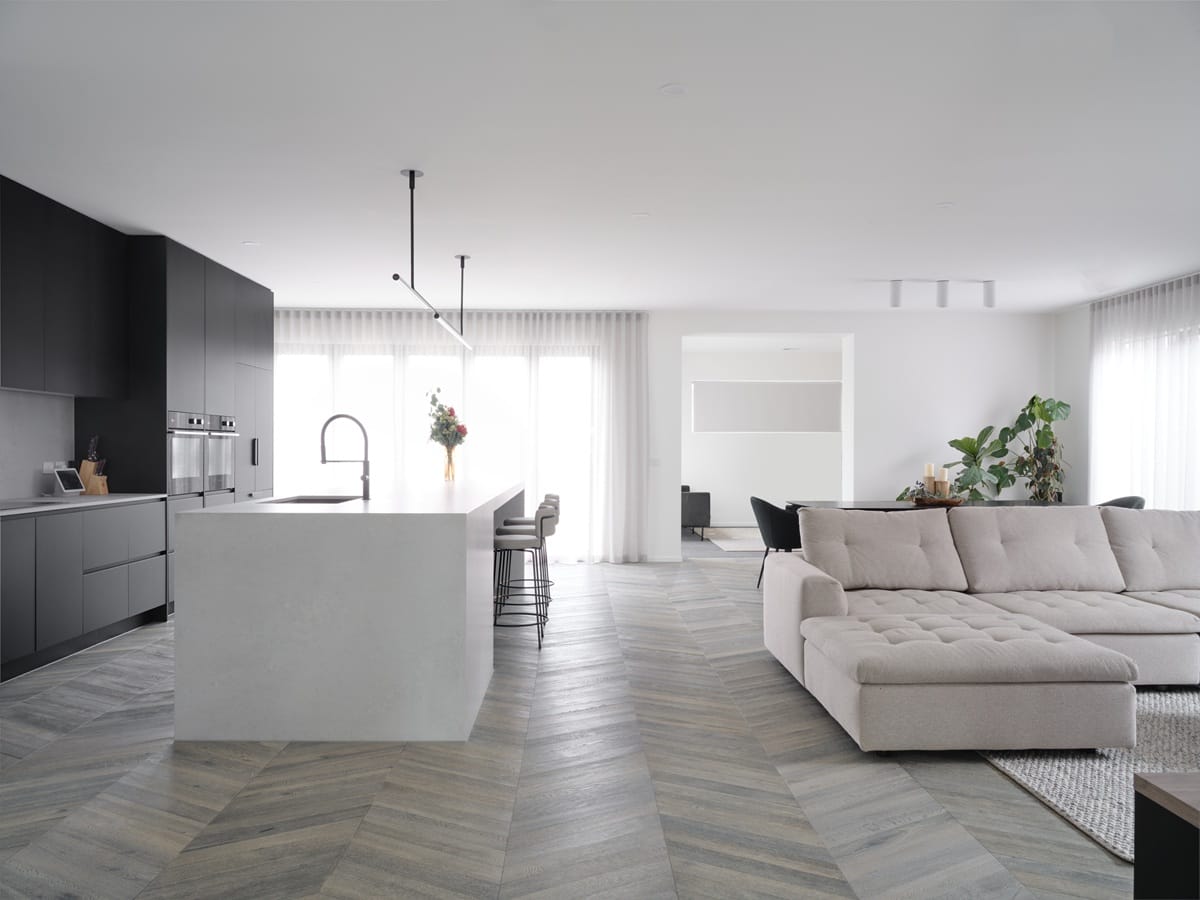
Matte vs Satin: Which timber finish is right for you?