




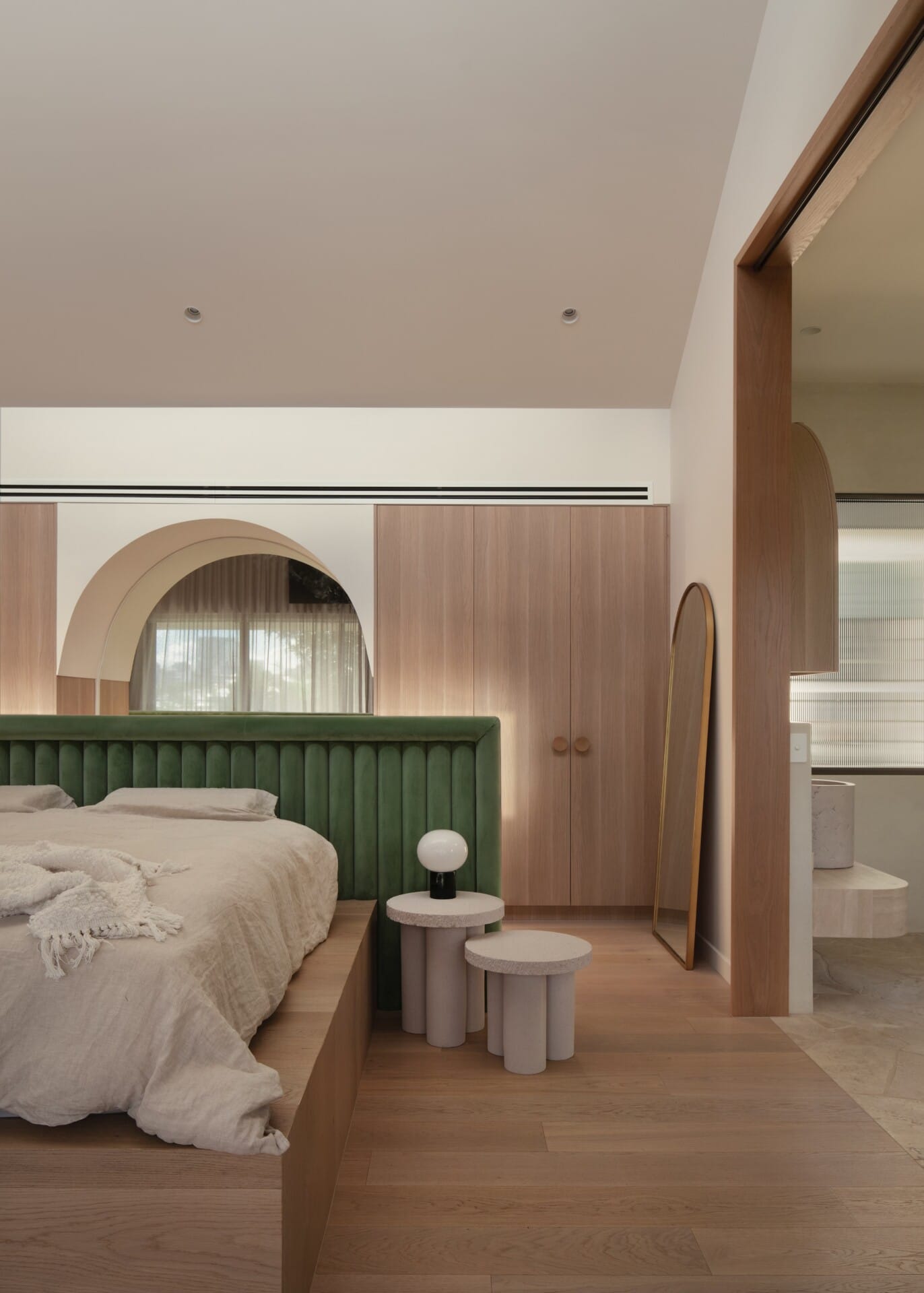

There’s a certain clarity to the Japandi style. His philosophy values a considered, unhurried approach, grounding itself in the idea that a home should support your life, not complicate it.
A fusion of Japanese and Scandinavian design, Japandi brings together natural materials, soft tones, and everyday functionality. For homeowners seeking calm without minimalism that feels cold, it’s a style that makes space feel intentional and lived in.
And one of the easiest ways to set the tone? Your flooring.
A Design Philosophy Rooted in Balance
Japandi draws from two core philosophies: the Japanese concept of wabi-sabi (finding the beauty of imperfection) and the Scandinavian concept of hygge (a sense of deep, cosy comfort). This blend of design styles deepens into a commitment to paring back without stripping character.
You’ll find muted palettes, natural light, clean lines and textural contrast; always anchored by high-quality, tactile materials. The Japandi aesthetic lets things breathe.
A Floor That Does More Than Sit in the Background
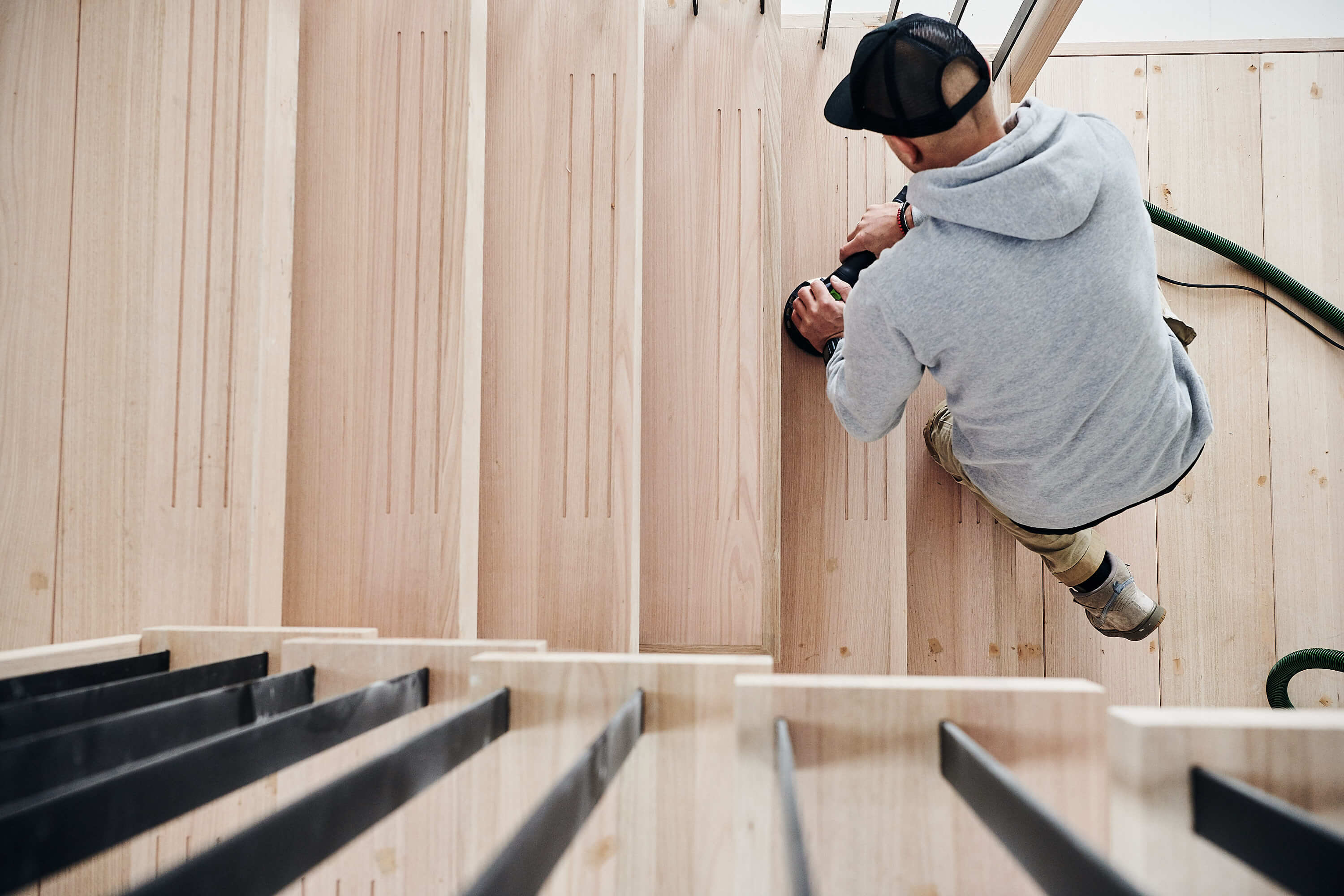
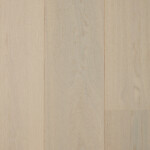
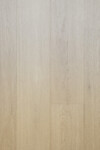
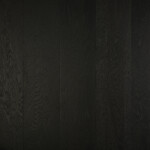
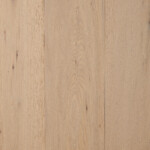
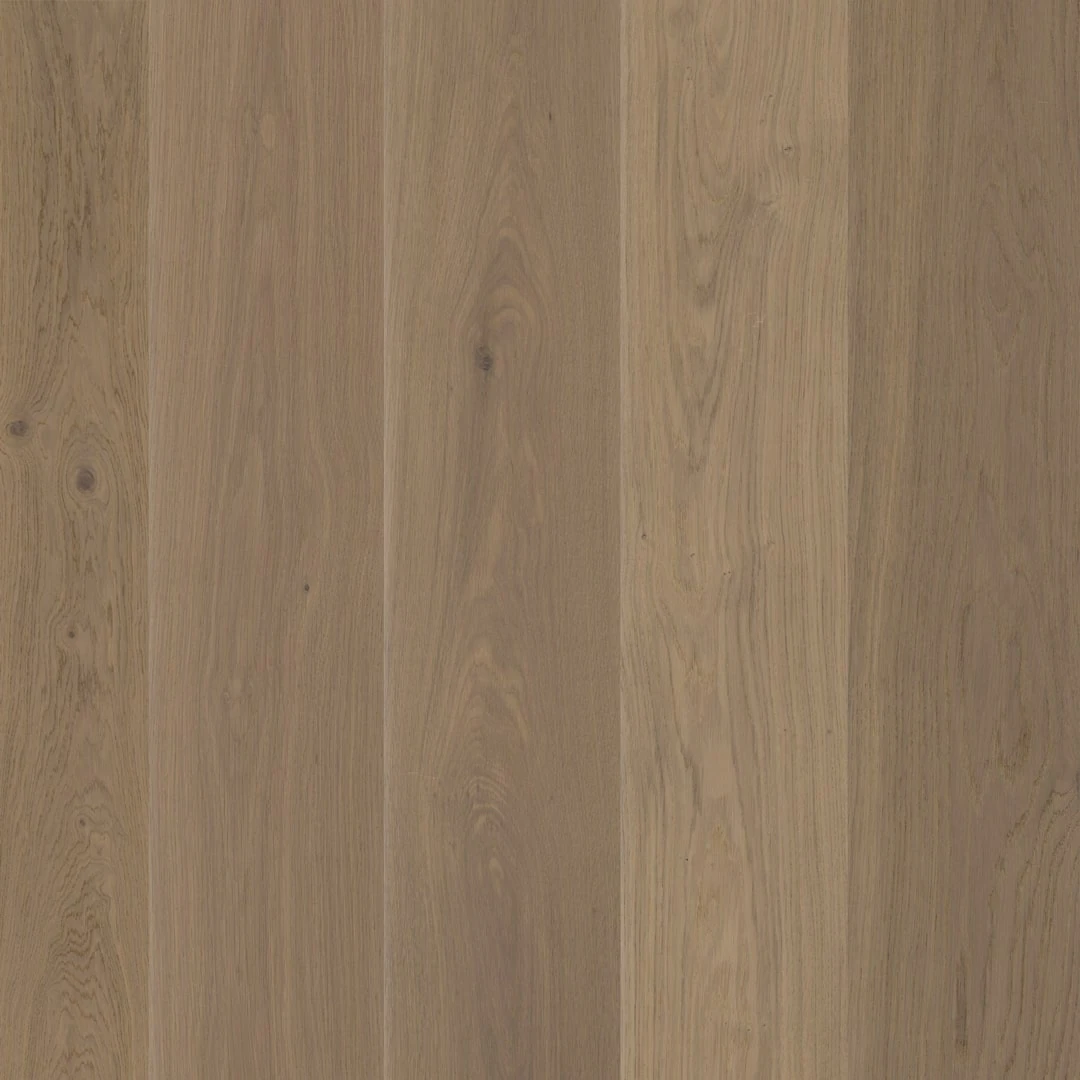
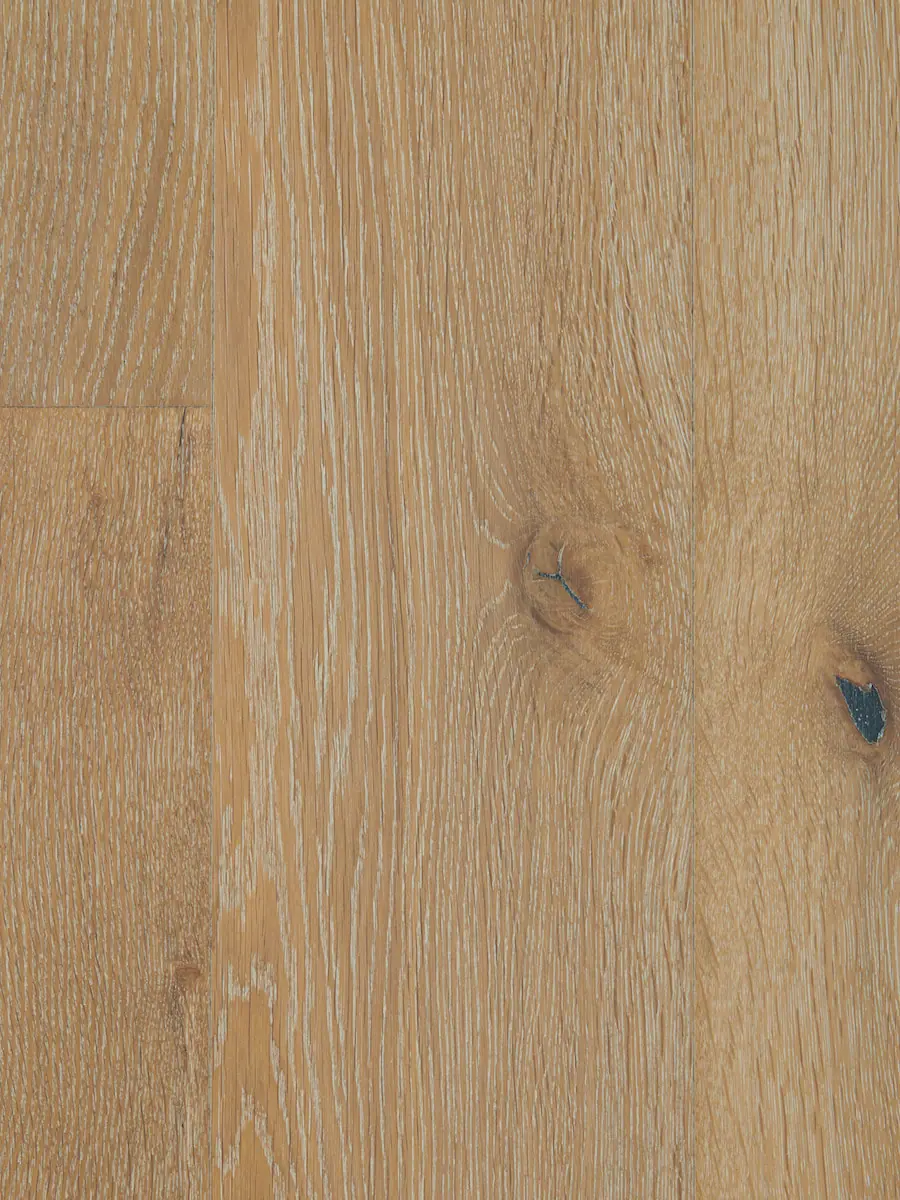
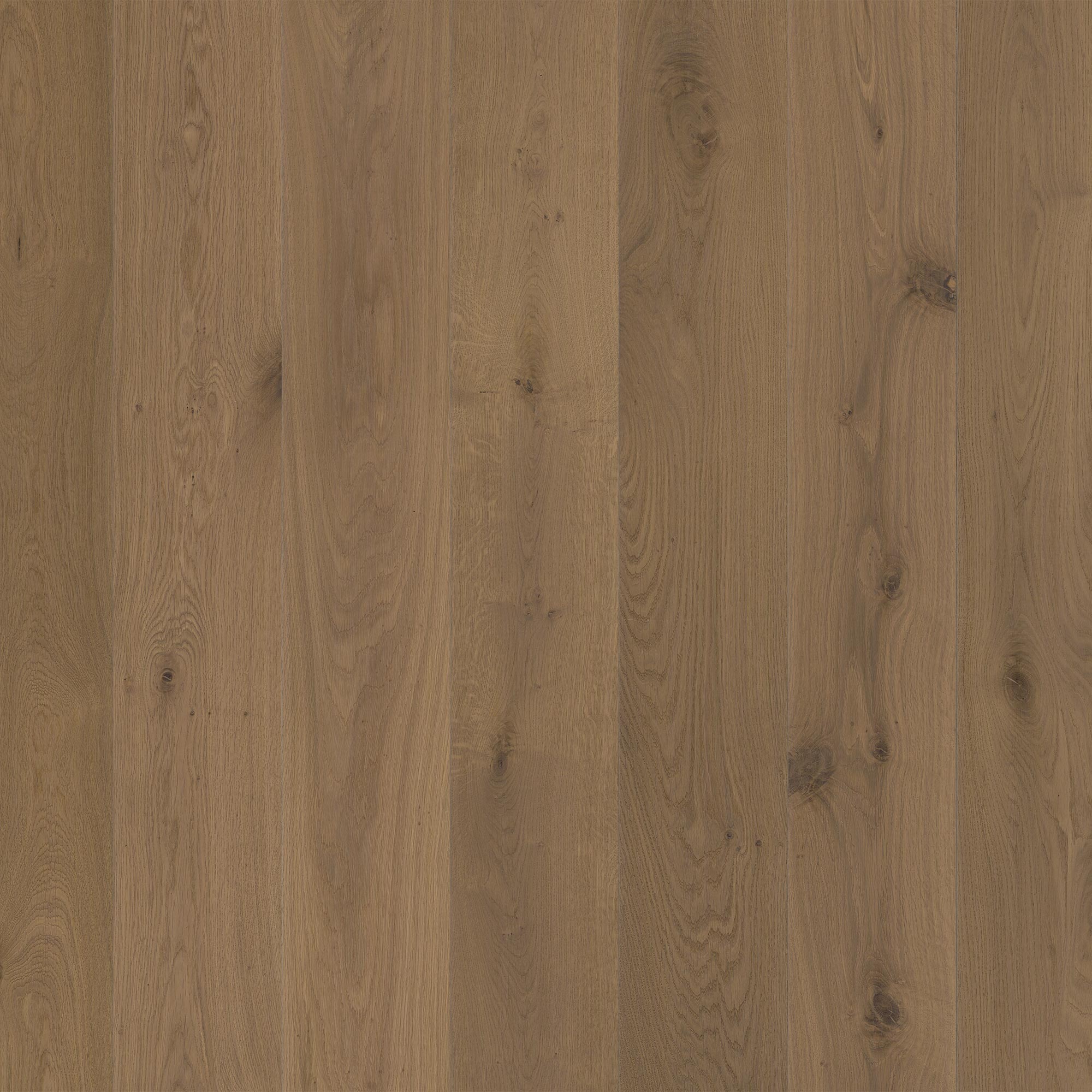
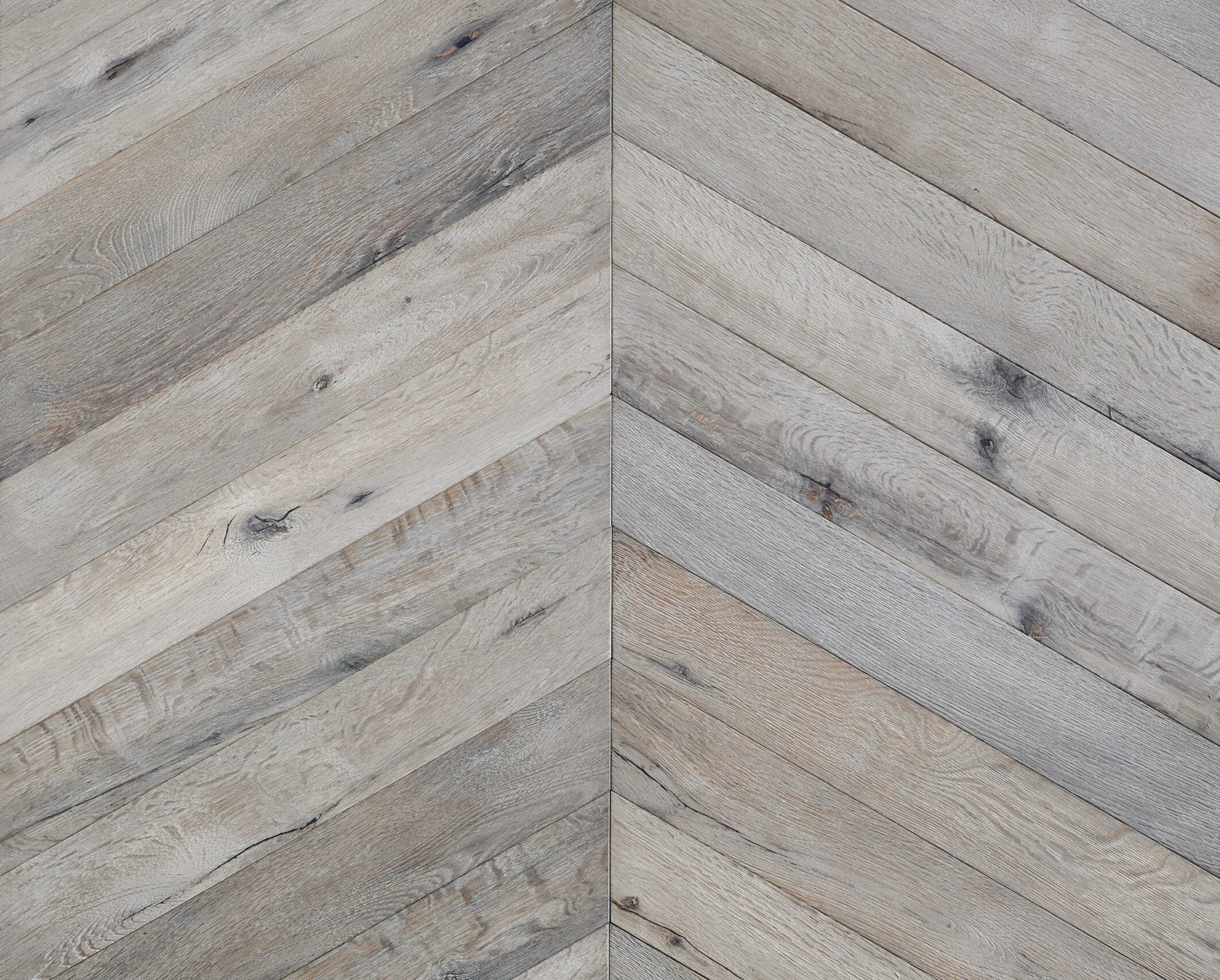
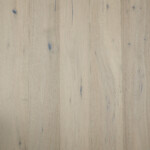
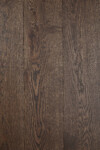
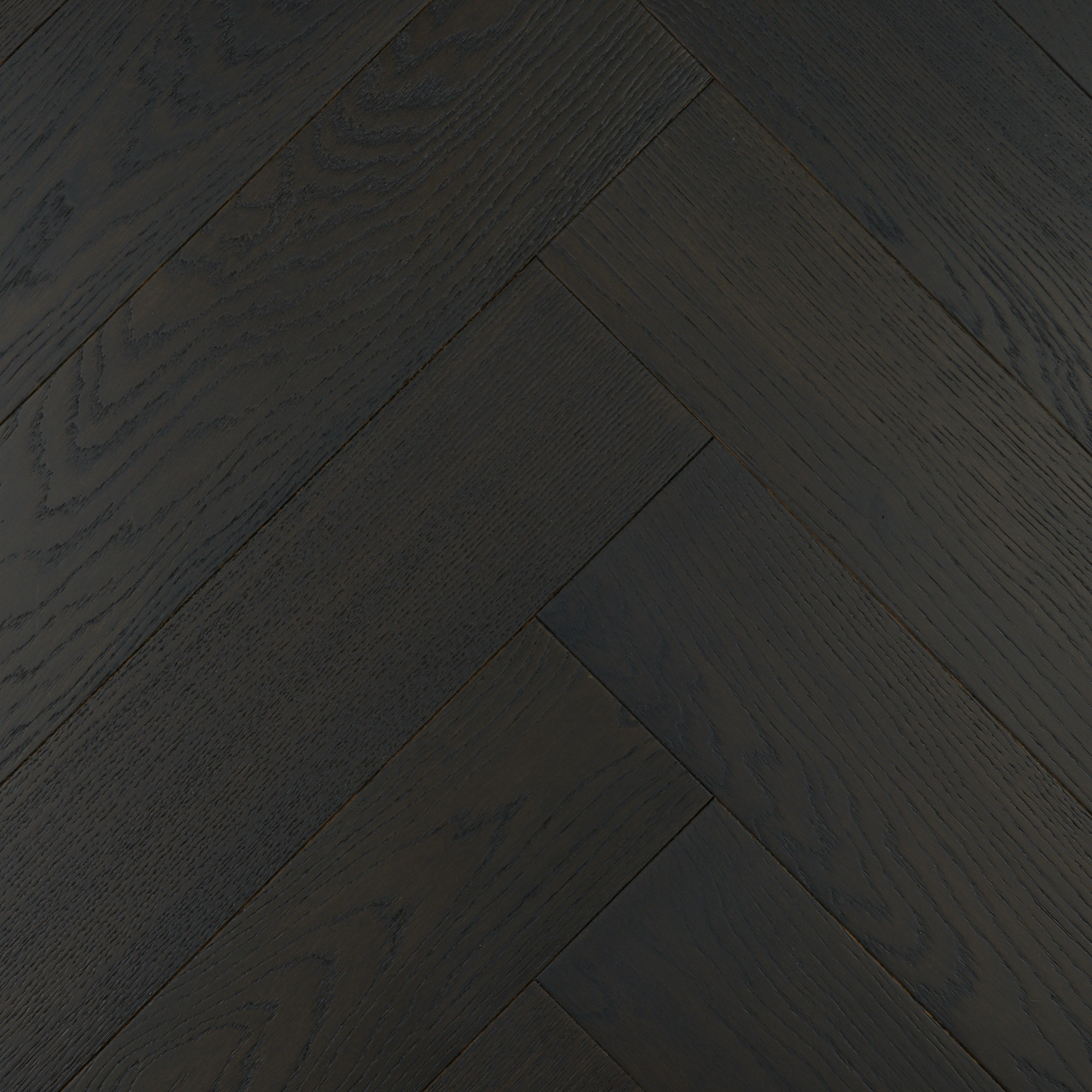
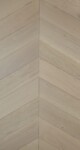
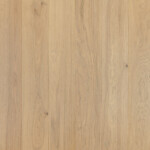
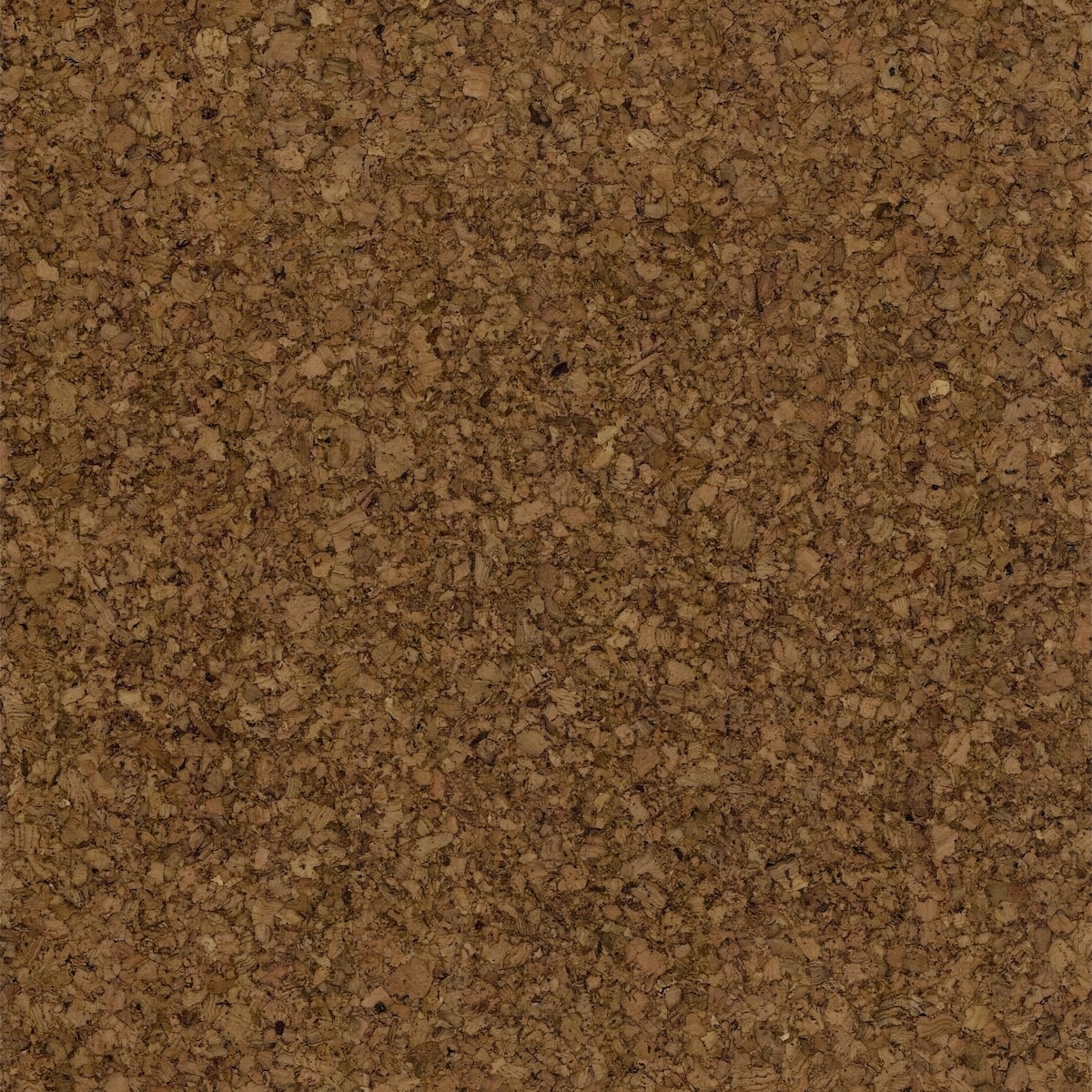
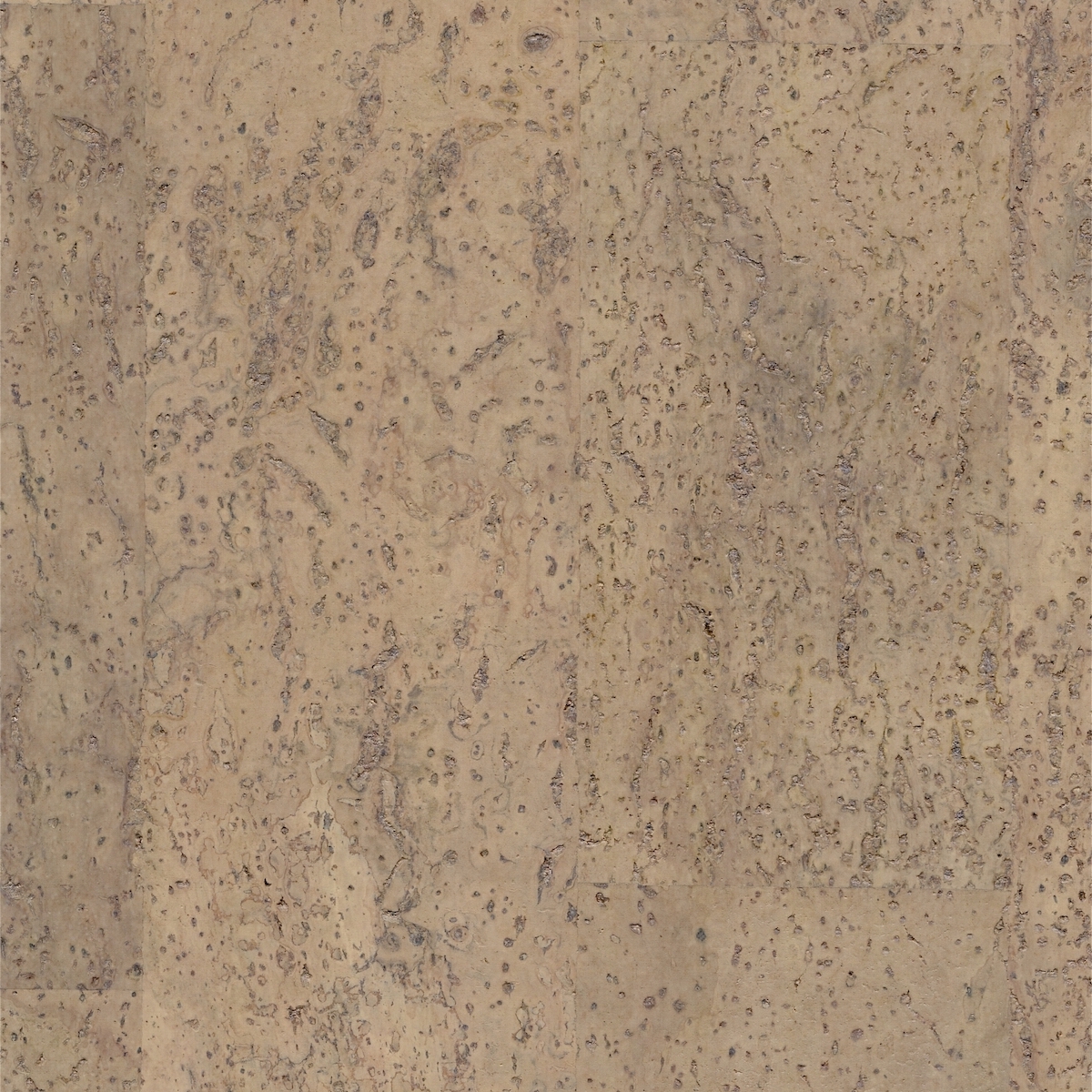
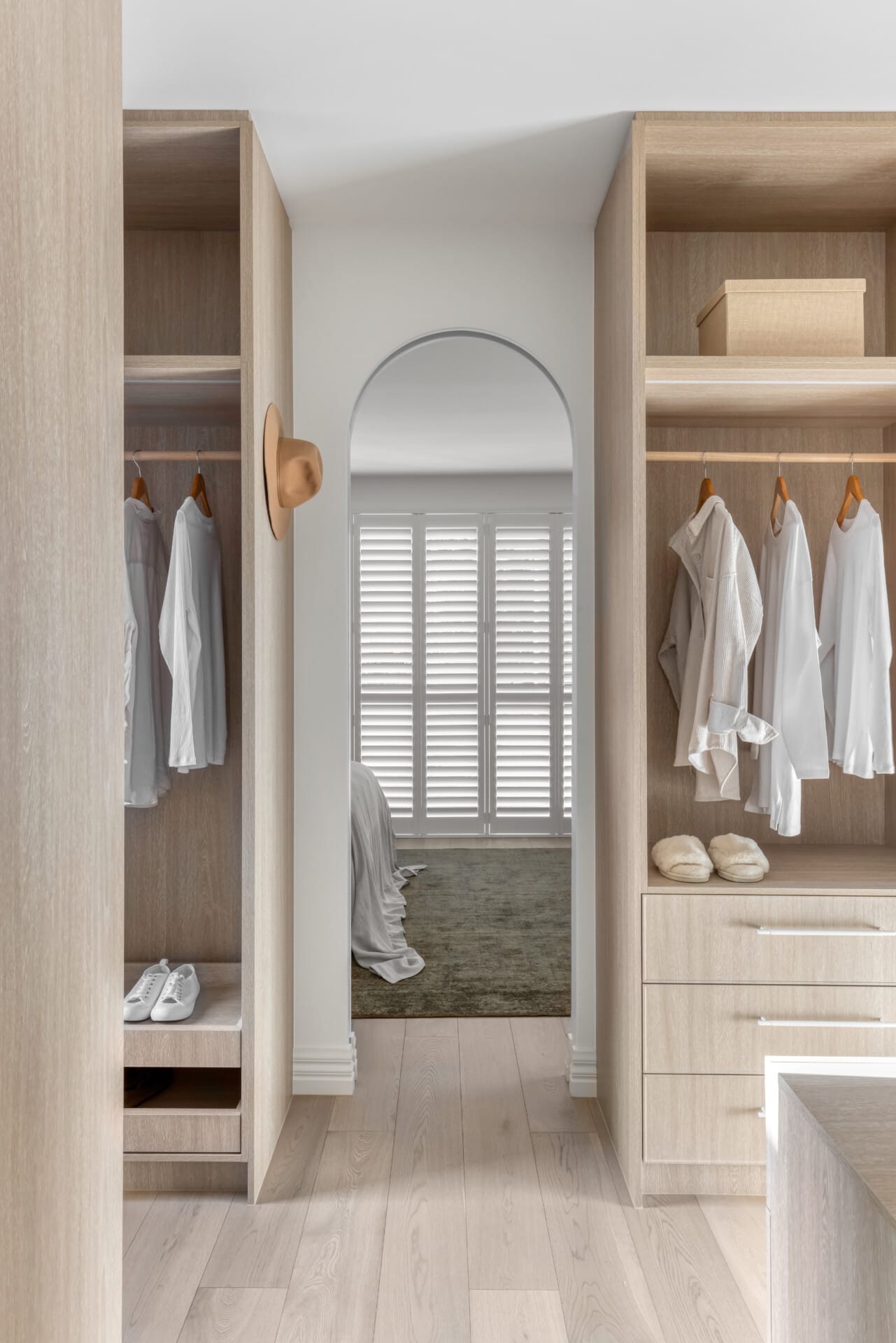
When everything else in a room is subtle, your flooring becomes a major design feature. Wide-plank timber in blonde or mid-tone oak offers a natural warmth that doesn’t overpower. Finishes like Storm or St. Andrews work quietly across living areas, dining zones and bedrooms, unifying space.
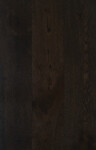
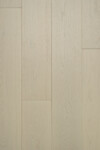
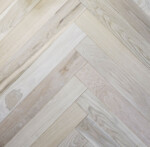
Smoked finishes or pale tones like London Bridge can shift the mood depending on light and furnishings. In Japandi interior design, the practical role of flooring expands, becoming a surface that softens acoustics, reflects light, and balances tone.
Texture matters here. An oiled or brushed finish adds nuance without asking for attention.
A Palette That Keeps Things Quiet, Not Flat
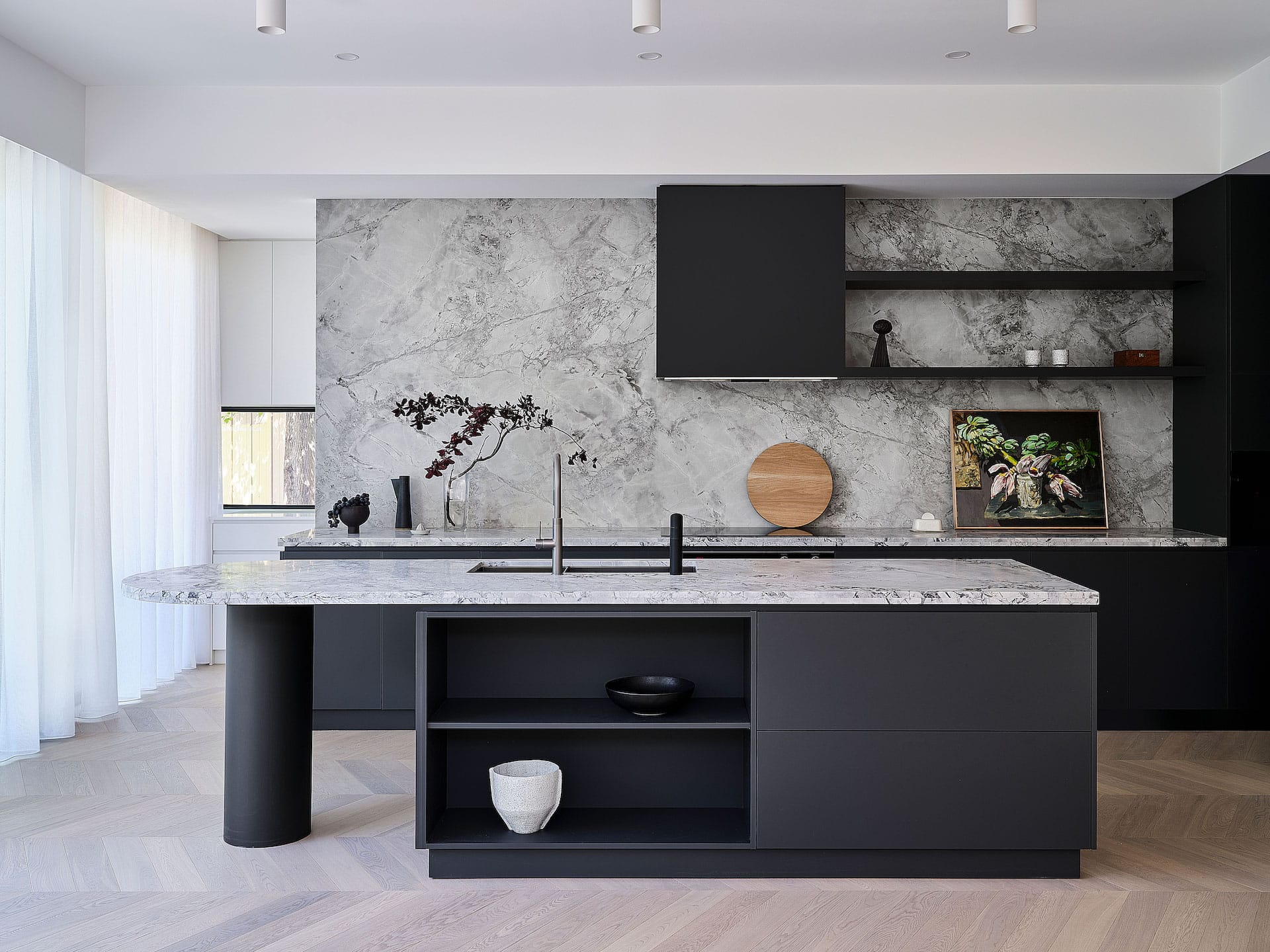
Japandi palettes use neutral colors and warm, earthy tones. Creams, taupes, clay, muted stone and soft charcoals form the base. The goal is to create a sense of flow rather than sharp contrast.
These tones work best when repeated across surfaces, walls, floors, cabinetry and textiles, in slightly different strengths. Timber flooring becomes the common thread, grounding the scheme and softening the shifts between rooms.
Texture, Not Ornament
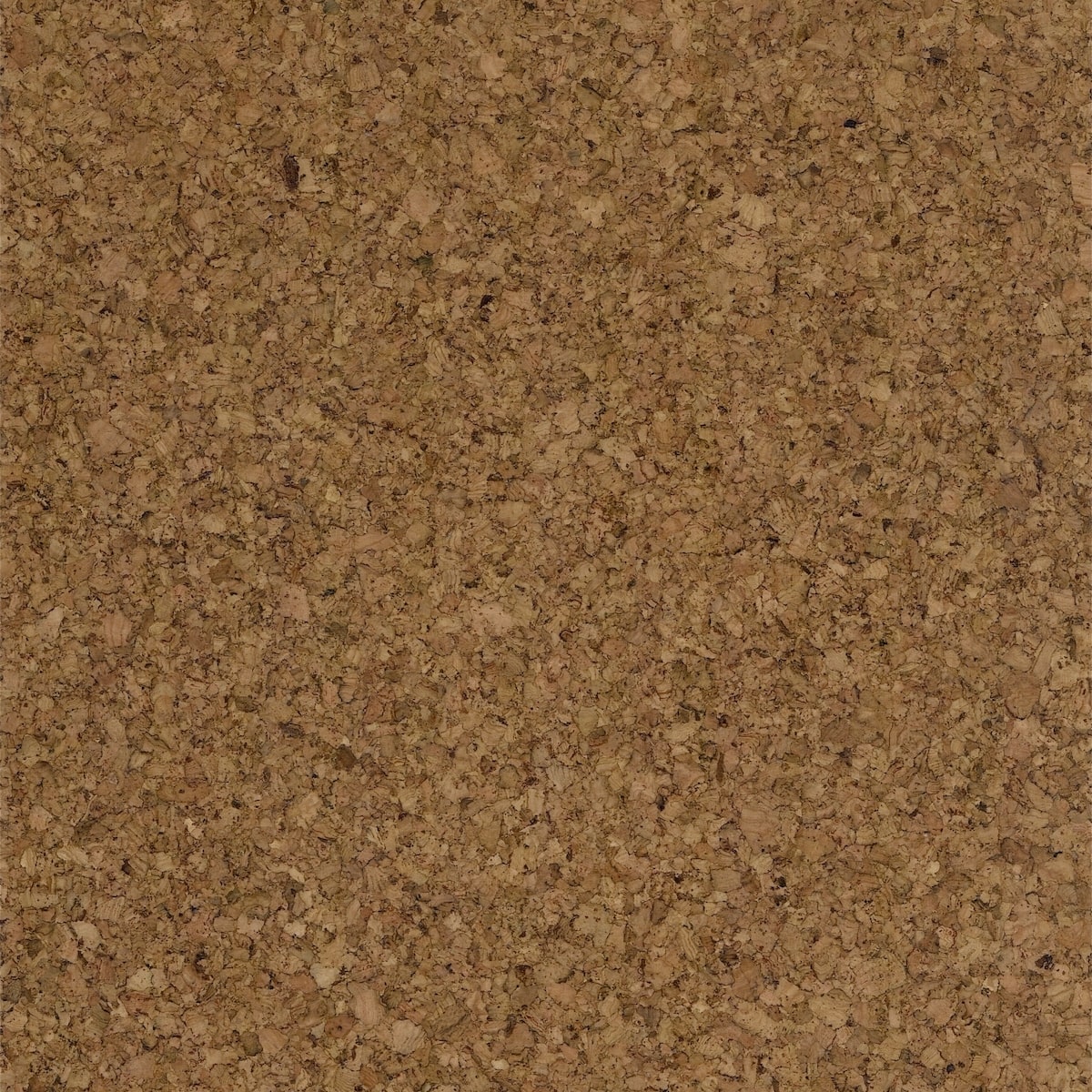
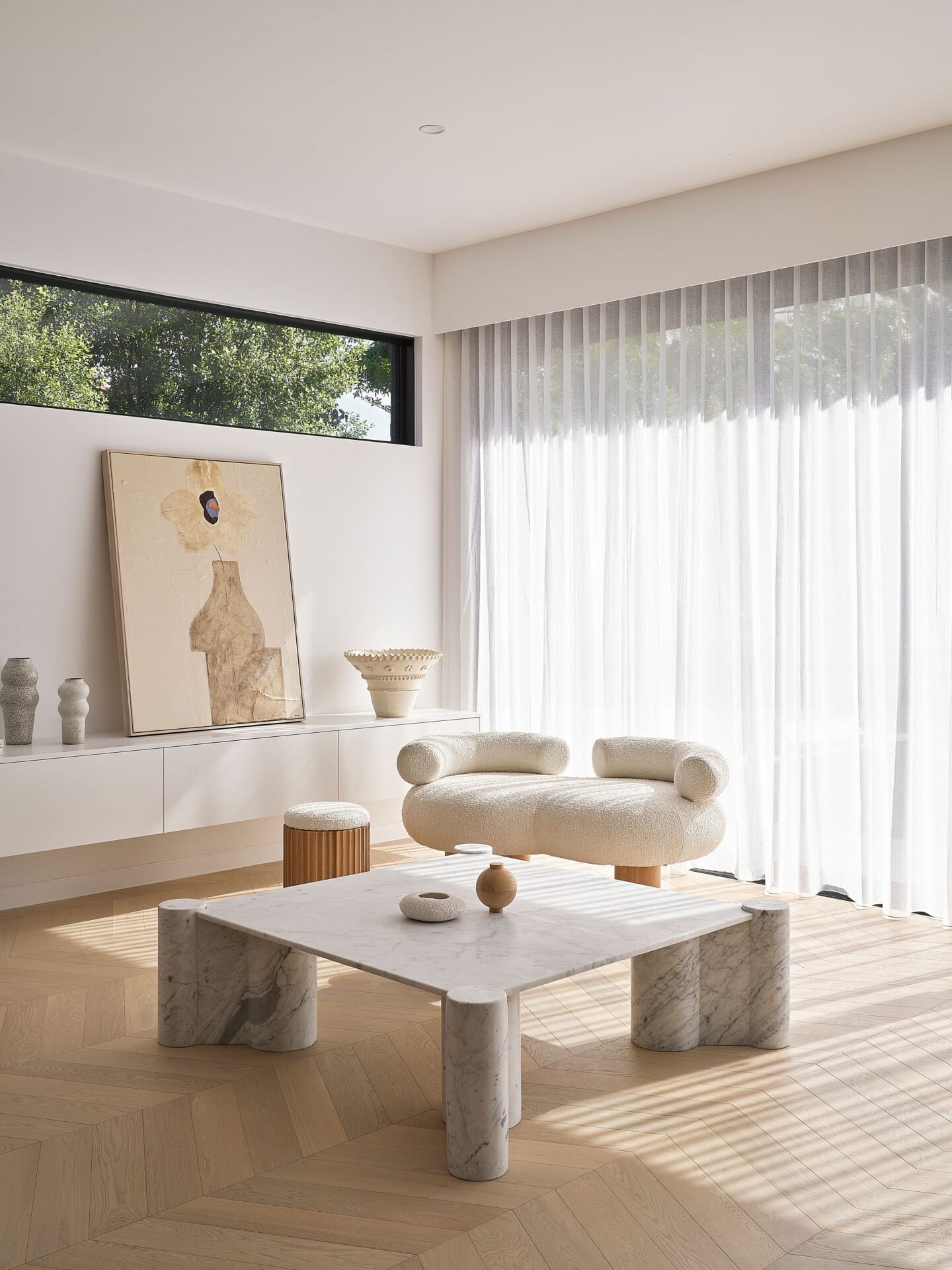
In spaces where decoration is minimal, texture plays a more active role. Japandi interior designs build mood through feel, not just sight. Natural materials like linen, rattan, ceramic, brushed timber, and matte metal harmonise and complete one another, rather than compete.
Timber flooring is part of that equation. The grain variation, the feel underfoot, the way light moves across a matte finish; these are small cues that shape how a space feels to live in.
Pair wide-plank boards like those in our Habitat collection with loop-pile rugs, handmade vessels, or open-weave pendants to create balance without overdesigning.
Furniture That Sits Low and Lives Well
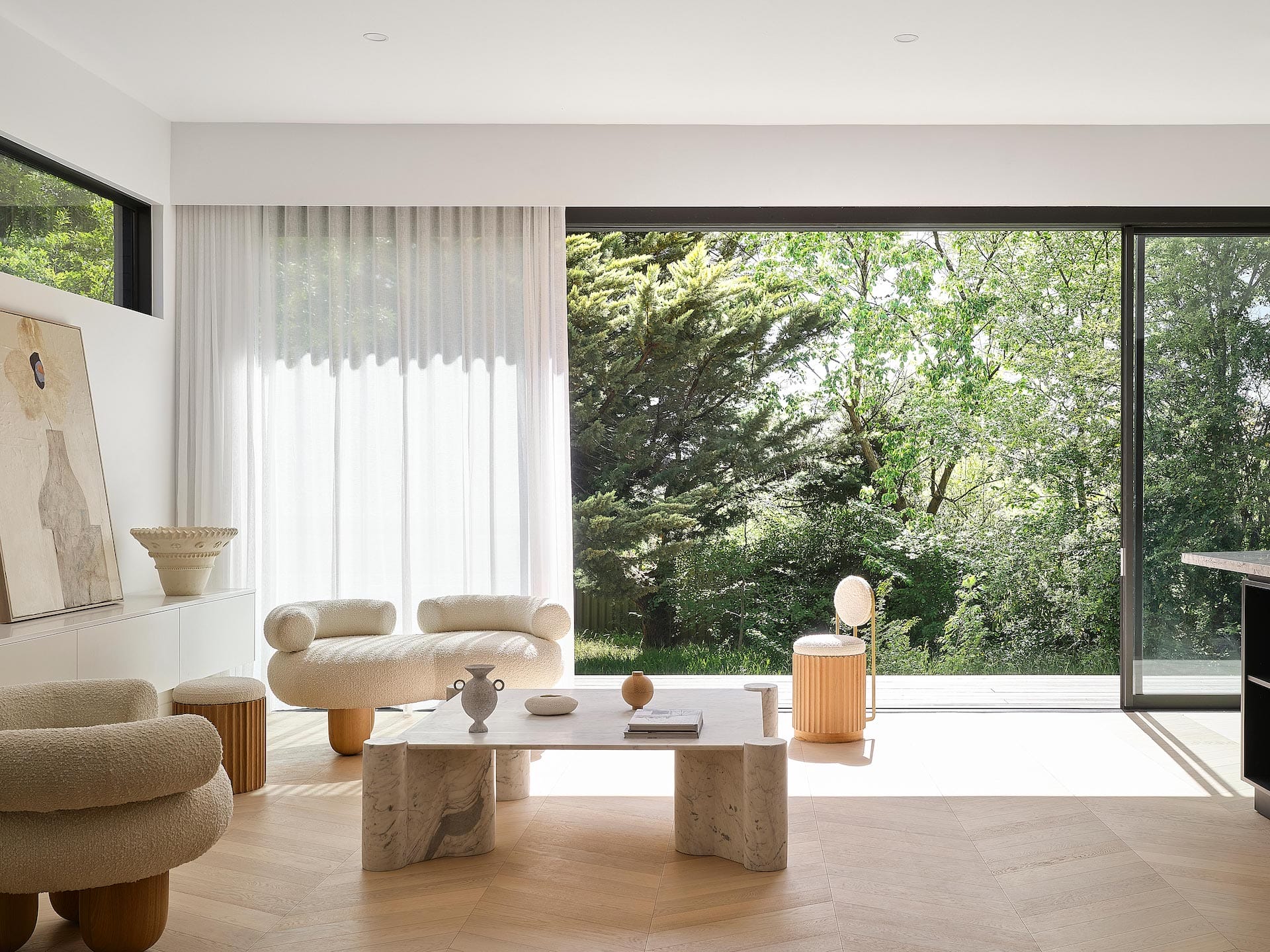
Japandi interiors avoid clutter by ensuring each piece of furniture serves a clear purpose. Furniture tends to be low, open, and textural, a nod to the traditional Japanese aesthetic, and features the clean lines of Scandinavian design.
These shapes complement the horizontality of timber flooring; allowing the grain to become an integral part of the visual story, elevating it from a simple base layer.
Aim for cohesion in tone rather than exact matches between floor and furniture. Slight contrast keeps things from feeling too controlled.
Let the Light in (and Use It Well)
Natural light is essential, reflecting the focus on nature inherent in Japandi style. It enhances the subtle differences in tone and texture, and timber flooring plays a quiet supporting role.
Pale finishes help bounce daylight and expand smaller rooms. Mid-tones take on depth as light shifts across the day. Finishes like Canvas bring a softness to interiors that change from morning to evening without needing adjustment.
This focus on nature extends to greenery, which you should also use with restraint. One or two sculptural plants in neutral vessels are usually enough to bring softness without visual clutter.
Simplicity with Structure
Japandi design welcomes objects, but places a strong emphasis on deliberate editing. Every decorative item serves a deliberate purpose. Shelving is open, but never overcrowded. Coffee tables hold books you actually reach for. Every surface, including the floor, has space to breathe.
Choosing timber with natural variation means you can leave floors mostly uncovered. A carefully placed rug or runner therefore becomes a deliberate accent, no longer a necessity.
Let the material do the work.
Layer Japandi with Intention
You don’t need to start from scratch to bring Japandi into your home. Often, it’s the foundational choices, flooring, colour, furniture form, that do the heavy lifting. From there, it’s about refining rather than redoing.
- Choose a timber finish that reflects the mood you want to create.
- Keep your palette tight but layered. Repeat tones with variation.
- Use texture to build depth without visual noise.
- Let furniture support, not dominate.
- Work with light, not against it.
- Edit often; and keep only what adds meaning.
There’s no rush. Japandi rewards slow, deliberate changes.
Real Materials. Real Focus.
Flooring is more than a finishing touch; it actively shapes how a room functions, feels, and flows. In Japandi interior design, where every detail earns its place, timber becomes one of the hardest-working design elements.
At Kustom Timber, we craft engineered timber flooring that supports this level of clarity, warmth, textural, and made to last.
Need a little help bringing your Japandi vision to life? Contact Kustom Timber team or take a look at our finished projects; we’re here to guide you through samples, tone selection and design support that suits your space.
Related Articles
View all articles
How To Prevent Scratches on Your Timber Flooring