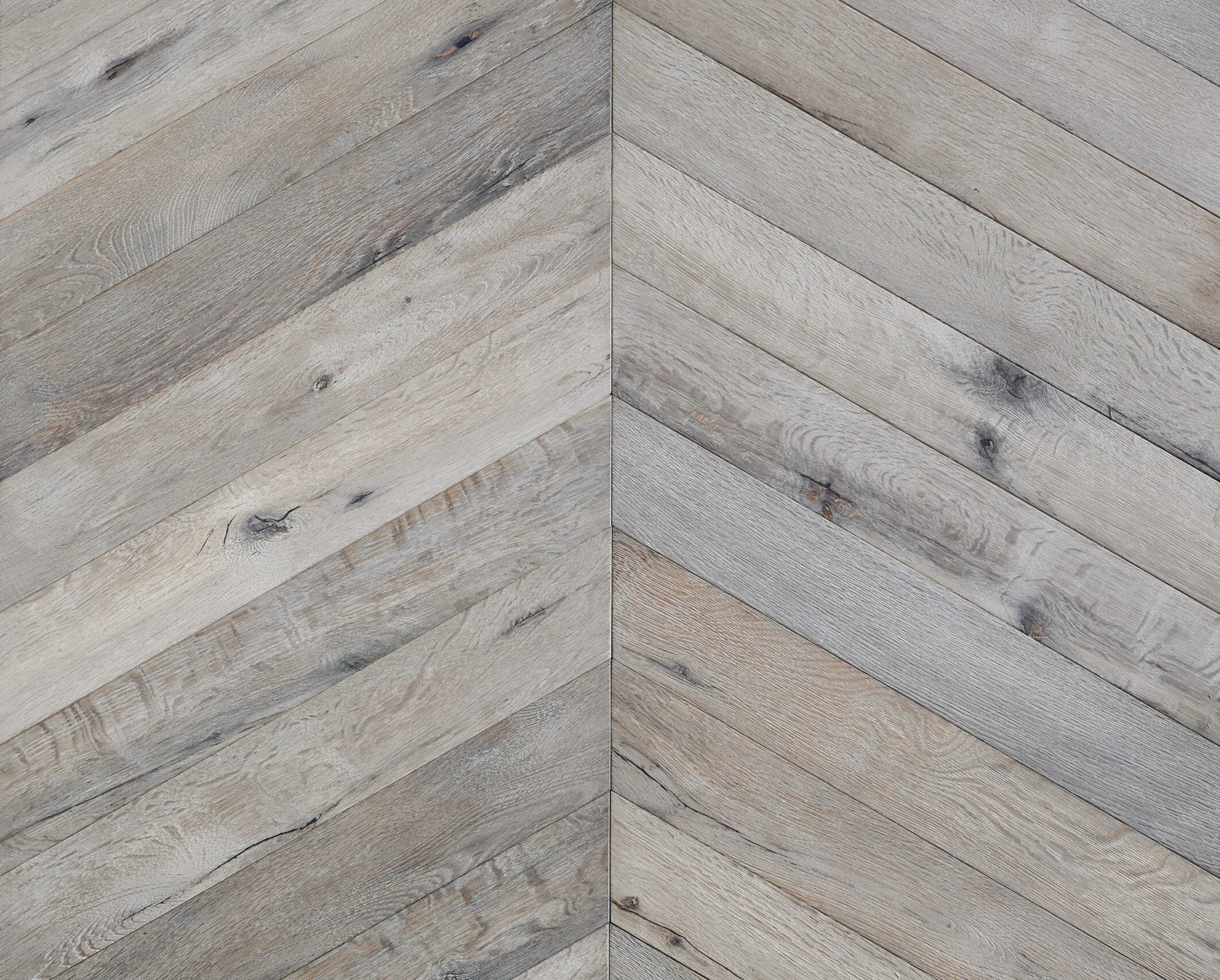


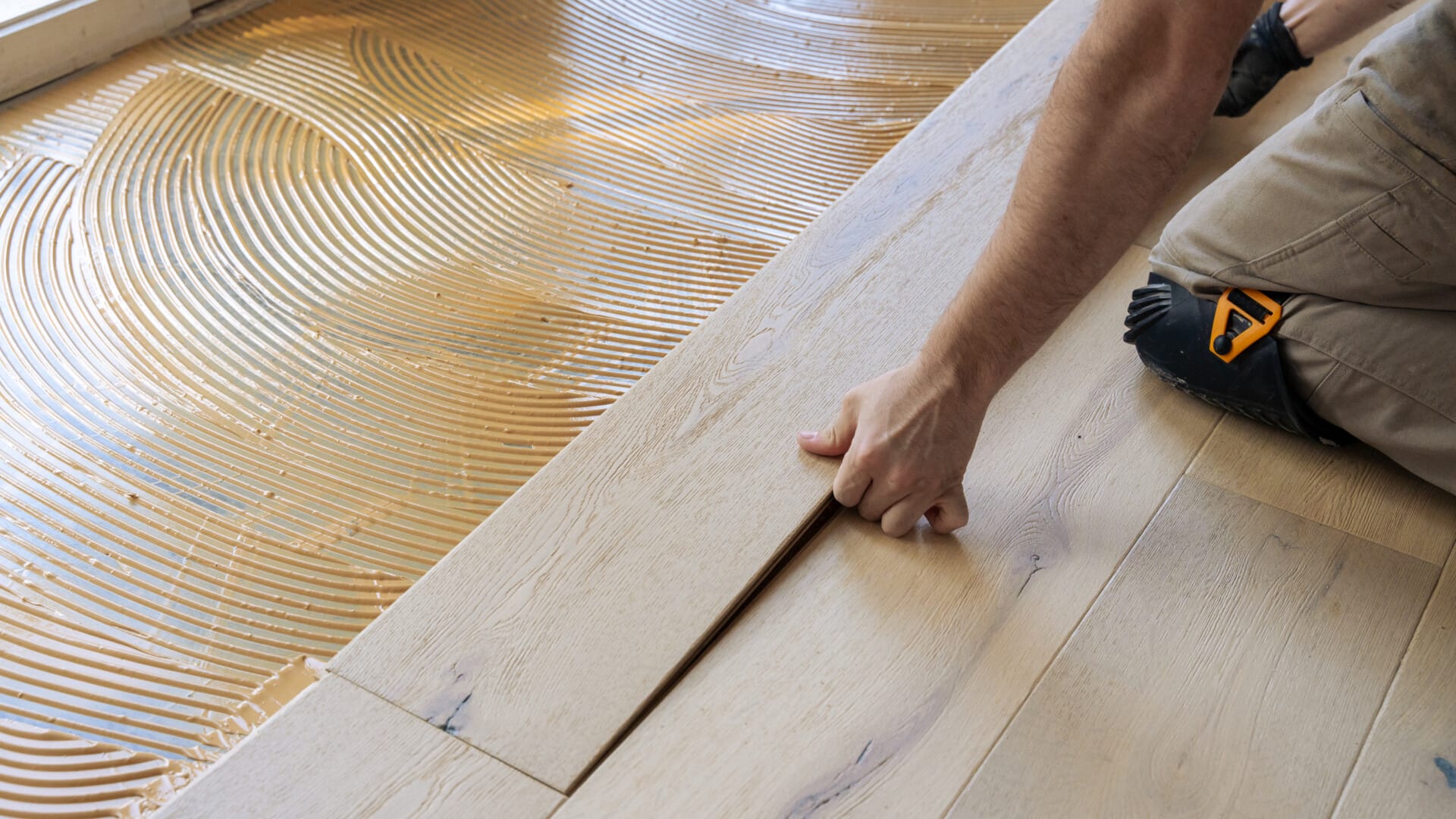

When you’re choosing flooring for your home or project, it’s natural to zero in on cost. But while the price tag might be the first thing you look at, it’s certainly not the whole story. The true cost of flooring goes well beyond what you see upfront.
Whether you’re building from the ground up or giving an old space new life, it’s worth thinking about more than just square metres and material prices. What about long-term value? Durability? How it looks, feels and works with your lifestyle?
In this blog, we unpack the cost of engineered timber flooring. Not just what you might expect to pay, but what that investment really gets you. From design appeal to performance under pressure, we’ll explore why engineered timber is often the smarter choice over other flooring solutions.
The layers behind the flooring costs
At first glance, some flooring options might seem more budget-friendly. Vinyl, laminate and carpet often come with lower upfront prices, which can be tempting if you’re trying to keep costs down. But without looking at the full picture, these numbers can be misleading.
There’s more to flooring pricing than just the sticker price. Here’s what you’re really paying for:
- Materials: Not all floors are created equal. The quality, origin and sustainability of the materials play a big part in the final cost and long-term performance.
- Installation: Labour costs can vary depending on how complex the job is. When comparing quotes, look closely at the installation costs and whether you should expect to pay extra for things like floor levelling or surface preparation.
- Finishes and customisations: From stains and textures to plank sizes and finish types, design choices can push the cost up or down depending on the look you’re going for.
- Longevity and maintenance: Some materials need regular upkeep or early replacement. Others are built to go the distance, saving you time, money and hassle in the long run.
- Environmental impact: Sustainable, ethically sourced materials may carry a higher price tag, but they offer peace of mind and a smaller footprint on the planet.
This is where engineered timber flooring starts to stand out. It’s not just about how it looks, it’s about long-term value and cost effective, durable finish underfoot.
Wide boards don’t just look impressive, they create a sense of scale and openness that smaller planks can’t match. But with more timber comes more material and more time to work it. So if you’re eyeing off wide-board hardwood timber flooring, you should expect to pay a little more for that sense of luxury underfoot.
3. Finishes and stains
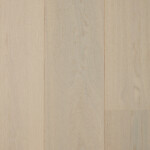
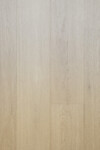
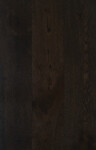
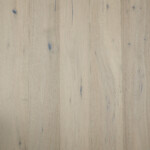
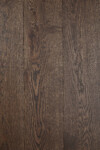
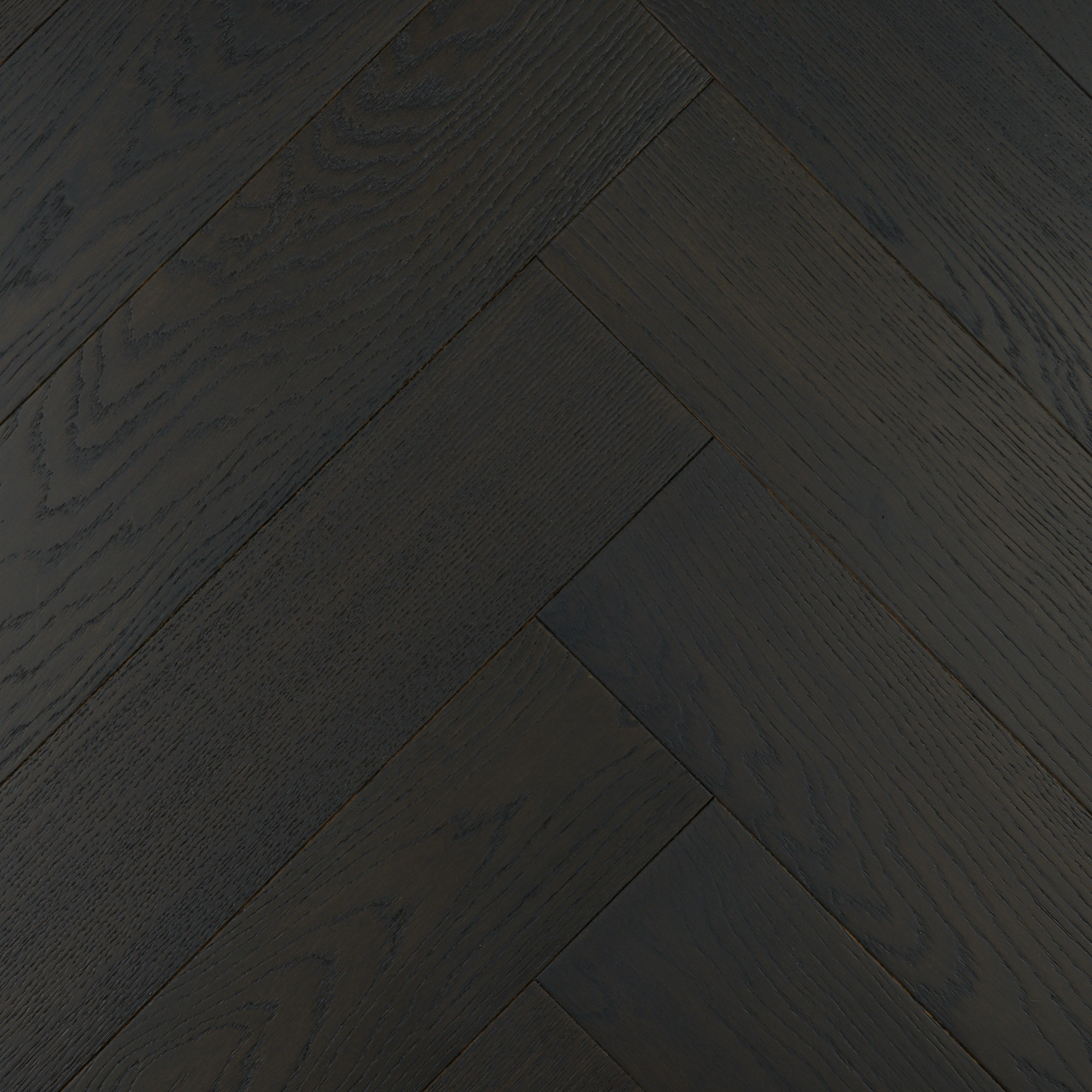
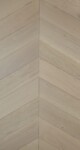
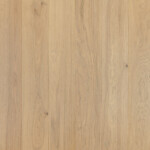
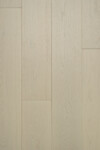
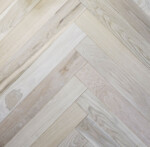
The finish is what brings it all together. Whether you lean towards a soft whitewash, a deep smoked tone or a raw matte seal, these customisations turn a good floor into a great one. At Kustom Timber, we offer tailored finishes to suit your space, but as with all things bespoke, some choices may come with additional cost.
4. Installation method and site preparation
A flawless floor depends on what’s underneath. Smooth, level subfloors make for straightforward installs. But older homes, uneven surfaces or complex layouts can demand more preparation, and that affects both time and budget. Whether you go with a floating system or a glued-down fit, different installation costs apply, and certain spaces may involve additional costs to get it right.
5. Scope and scale
More space means more materials, but it’s not just about size. It’s about complexity. Clean, open layouts tend to move quickly. Staircases, curves and tight angles take more planning and precision. That extra detail can influence timelines, and ultimately, the overall cost of your flooring project.
What goes into the cost of engineered timber flooring?
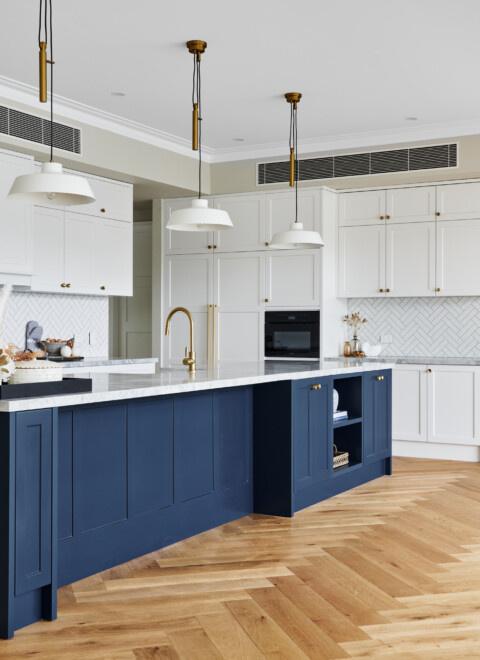
Engineered timber flooring combines natural beauty with intelligent construction. Thanks to its multi-layered build, it holds strong against warping or shifting, perfect for Melbourne’s unpredictable climate.
What shapes the cost of engineered timber flooring?
1. Timber species and grade
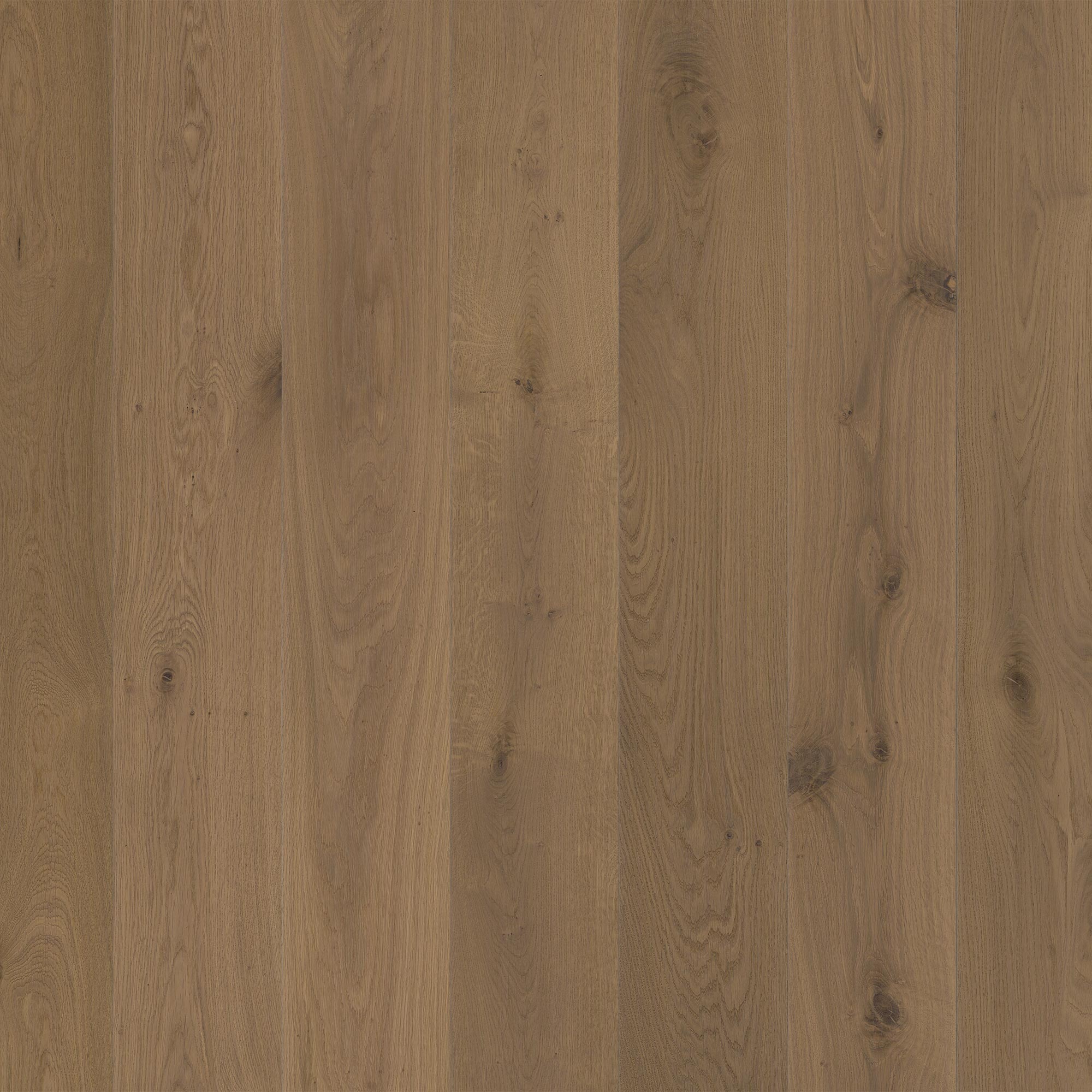
Think of timber species like casting for a lead role. European oak? Timeless. Australian hardwoods? Bold, with presence. Each one has its own texture, grain, and personality, and that affects performance, availability, and yes, price. Higher-grade timber gives you a more consistent look with fewer knots and quirks, perfect if you want your wood floor to feel polished and refined.
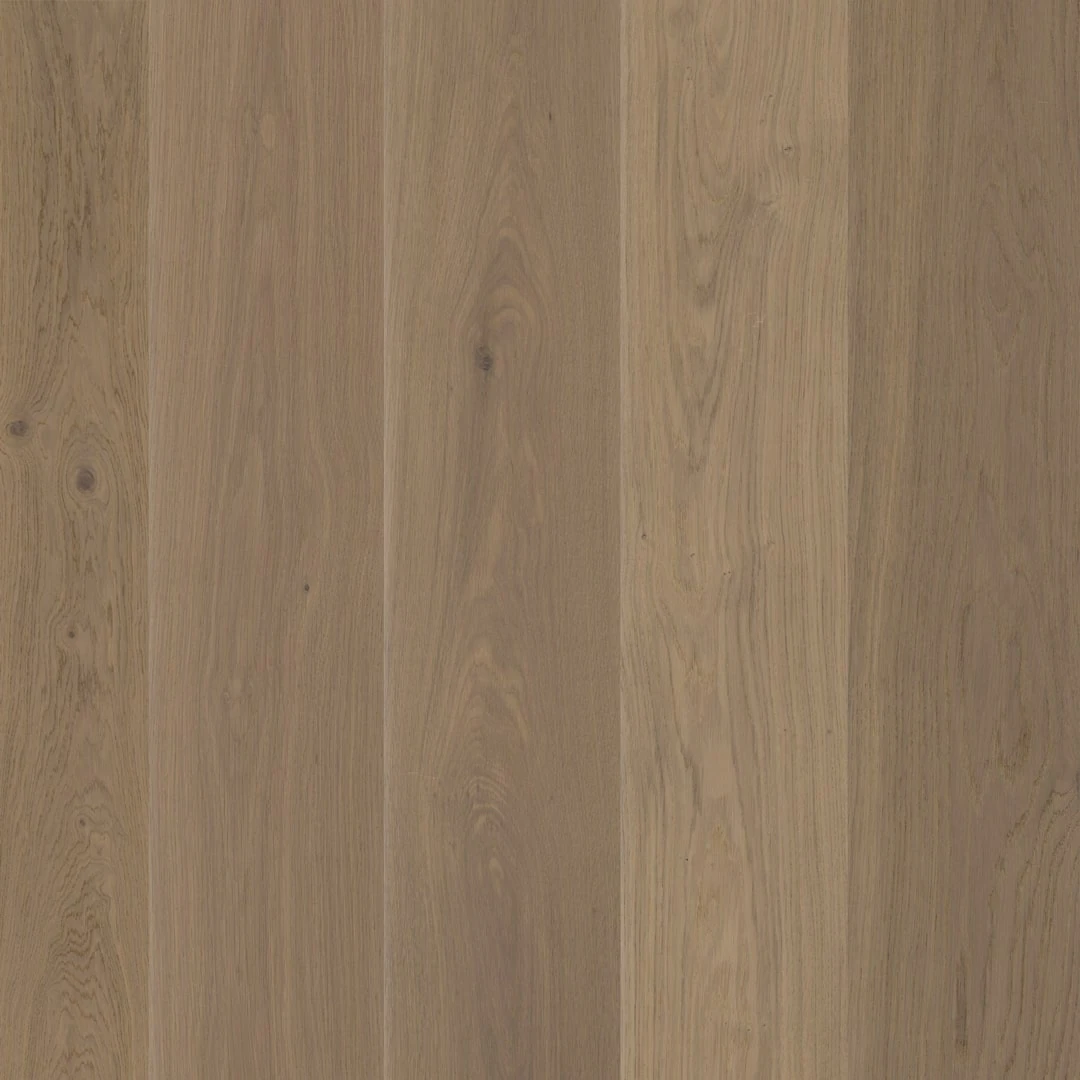
Wide boards don’t just look impressive, they create a sense of scale and openness that smaller planks can’t match. But with more timber comes more material and more time to work it. So if you’re eyeing off wide-board hardwood timber flooring, you should expect to pay a little more for that sense of luxury underfoot.
3. Finishes and stains
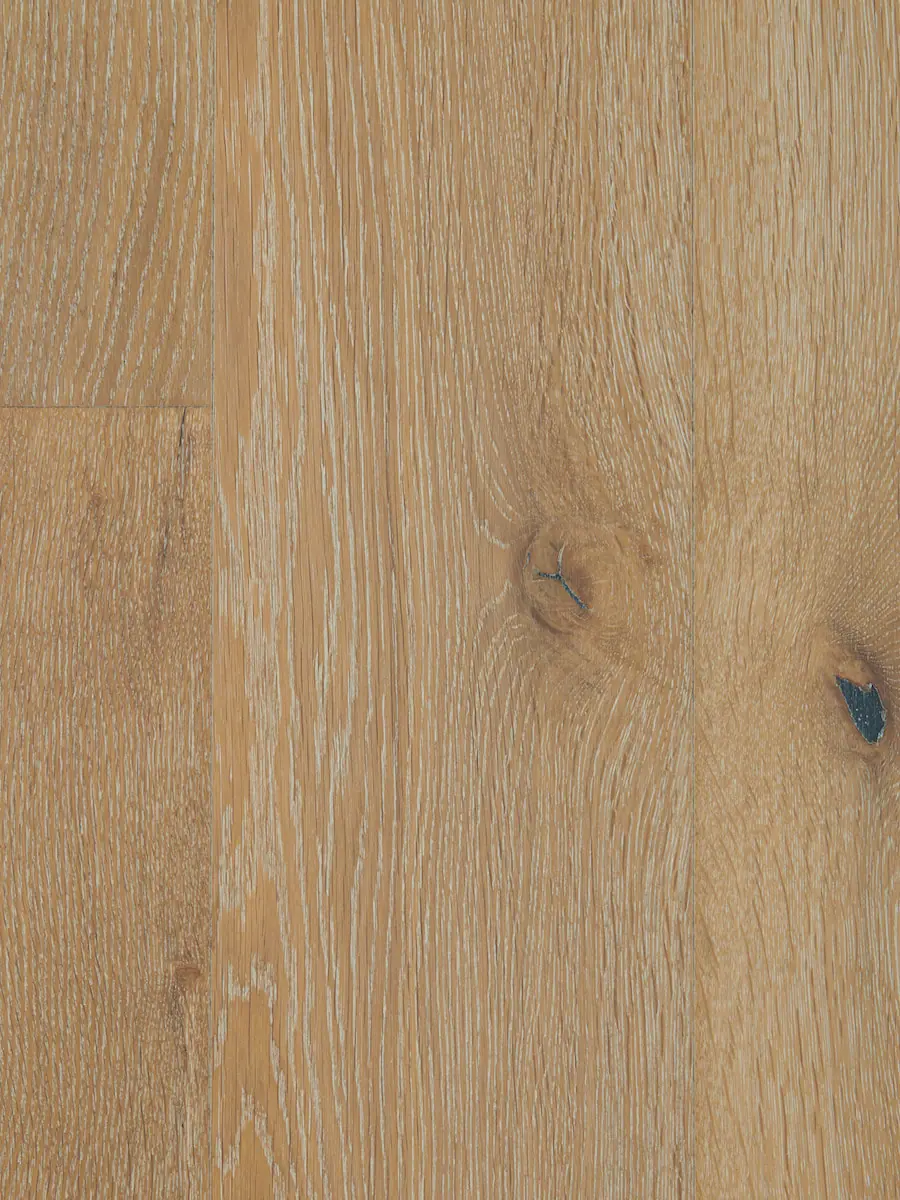
The finish is what brings it all together. Whether you lean towards a soft whitewash, a deep smoked tone or a raw matte seal, these customisations turn a good floor into a great one. At Kustom Timber, we offer tailored finishes to suit your space, but as with all things bespoke, some choices may come with additional cost.
4. Installation method and site preparation
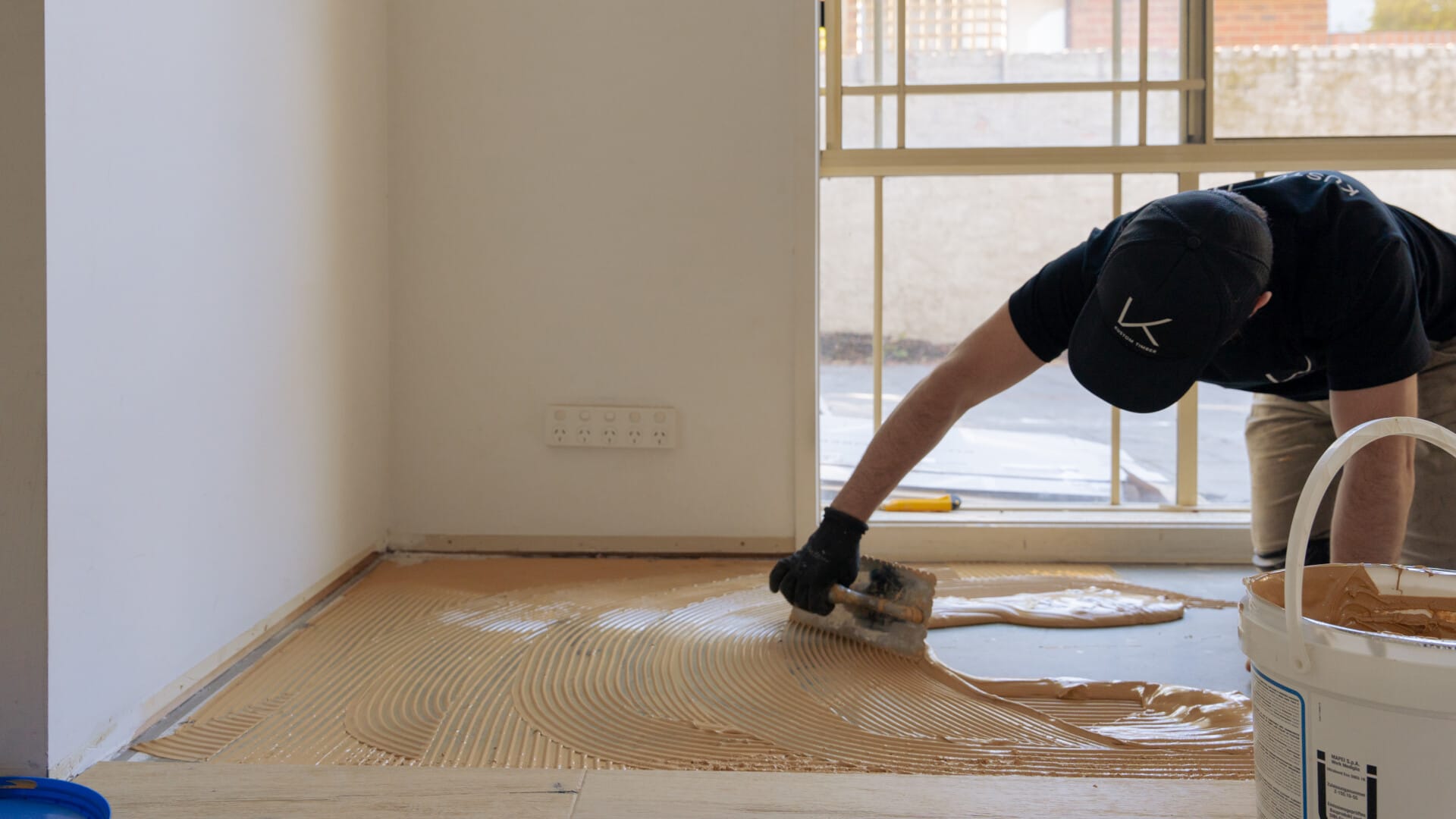
A flawless floor depends on what’s underneath. Smooth, level subfloors make for straightforward installs. But older homes, uneven surfaces or complex layouts can demand more preparation, and that affects both time and budget. Whether you go with a floating system or a glued-down fit, different installation costs apply, and certain spaces may involve additional costs to get it right.
5. Scope and scale
More space means more materials, but it’s not just about size. It’s about complexity. Clean, open layouts tend to move quickly. Staircases, curves and tight angles take more planning and precision. That extra detail can influence timelines, and ultimately, the overall cost of your flooring project.
Why cheaper flooring options aren’t always better
It’s easy to be drawn to cheaper alternatives. Laminate and vinyl flooring can imitate the look of timber, but what they save in price they often lose in performance and feel.
Here’s where they fall short:
- Durability: Budget options often struggle to keep up with real life. In busy households, especially those with kids or pets, cheaper floors can wear quickly. If you’re after a durable flooring option that holds steady under pressure, engineered timber is built to resist movement, moisture and everyday impact in ways most imitations can’t match.
- Maintenance and lifespan: Lower-cost materials may seem practical now, but when they start lifting, peeling or scuffing, replacement costs add up. Engineered timber, by contrast, is made to last, reducing long-term upkeep and giving you more value over time.
- Aesthetics and texture: Some surfaces only look good from a distance. Real timber has depth, grain and variation that gives a space warmth and presence. Laminates and vinyl might imitate the visuals, but they rarely capture the texture or authenticity of a true wood floor.
- Sustainability: For those thinking beyond the build, engineered timber is often the more responsible choice. When sourced and finished with care, it becomes a flooring solution that looks good and does good, offering a lighter environmental footprint than many mass-produced alternatives.
Choosing engineered timber means looking past quick wins. It’s about investing in something that’s made to last, not just endure daily life, but elevate it.
Value beyond price
At Kustom Timber, we don’t just supply engineered timber flooring, we help shape the spaces people live in. Every project is handled with attention to detail, from the first showroom visit to final installation.
Here’s what sets us apart:
- In-house design consultants to guide your selection
- Local finishing and custom staining, tailored to your aesthetic
- Professional installation teams who sweat the details
- Ongoing aftercare advice to help your floors look great for years to come
Whether you’re after a cost-effective upgrade or a highly considered flooring solution aligned with your values, engineered timber delivers the perfect balance, timeless beauty, dependable performance and long-term value underfoot.
The smart flooring choice
The real cost of engineered timber flooring isn’t about what’s cheapest. It’s about choosing something that adds value long after installation. Yes, it might come with a higher price tag than synthetic options, but in return, you get design, durability and a floor that stands up to life.
Choosing flooring is more than a practical decision. It’s about how your home looks, feels and functions for years to come. And when you walk across a floor crafted with care and intention, you’ll feel the difference.
It’s not just a surface. It’s the start of something better. Get in touch with our engineered timber flooring specialists today to get started!
Related Articles
View all articles