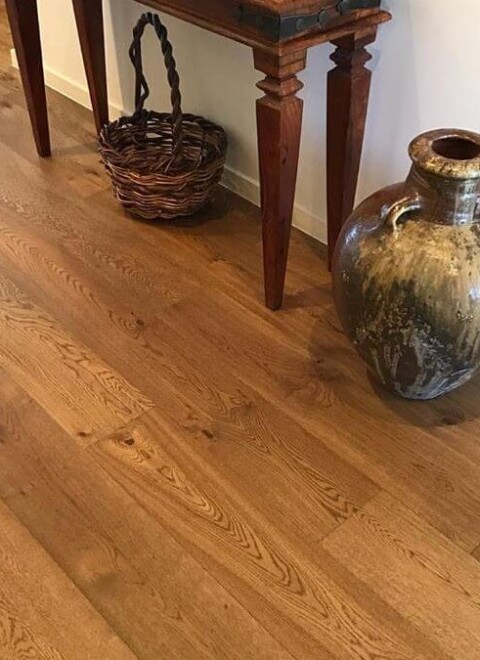
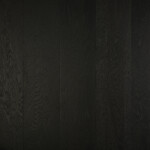
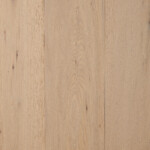
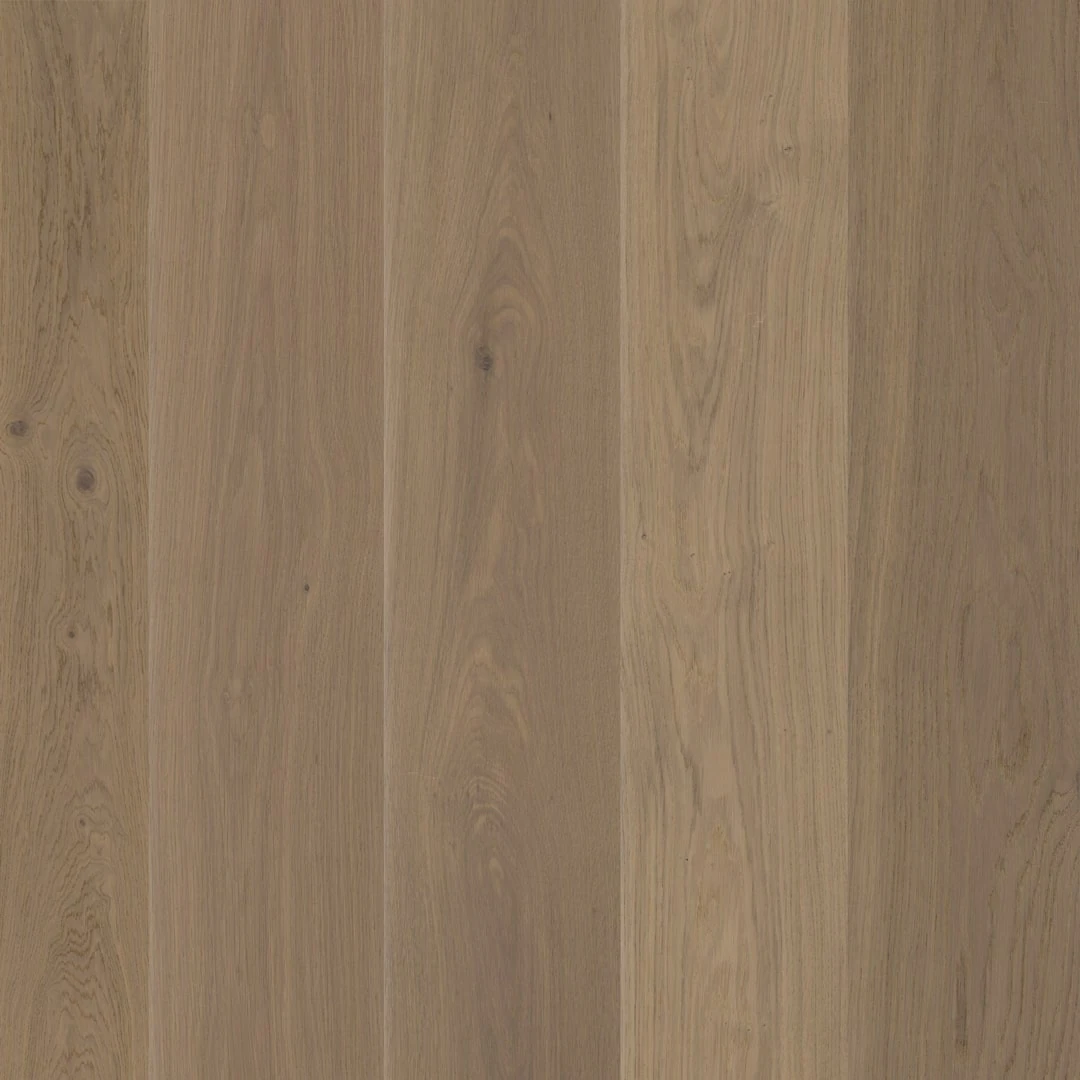
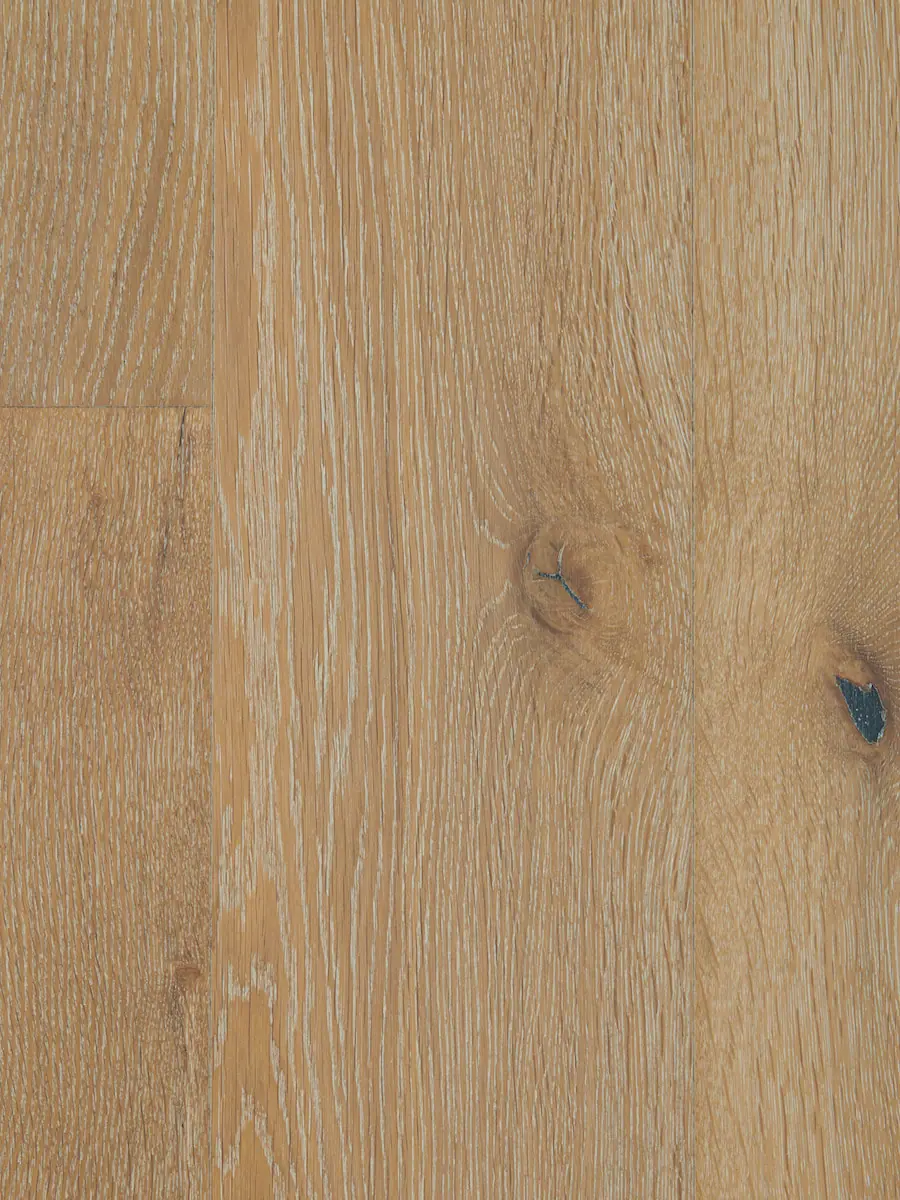
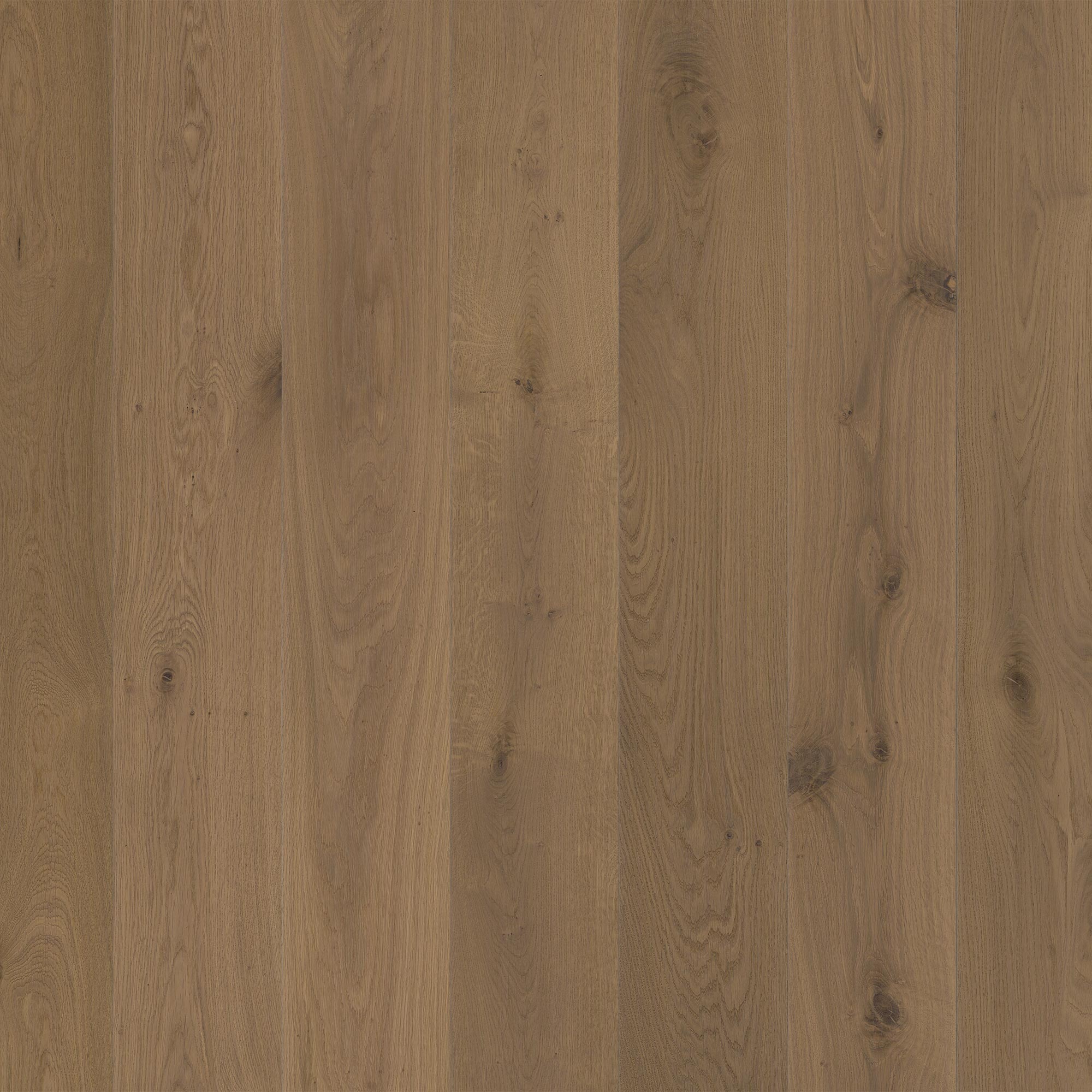
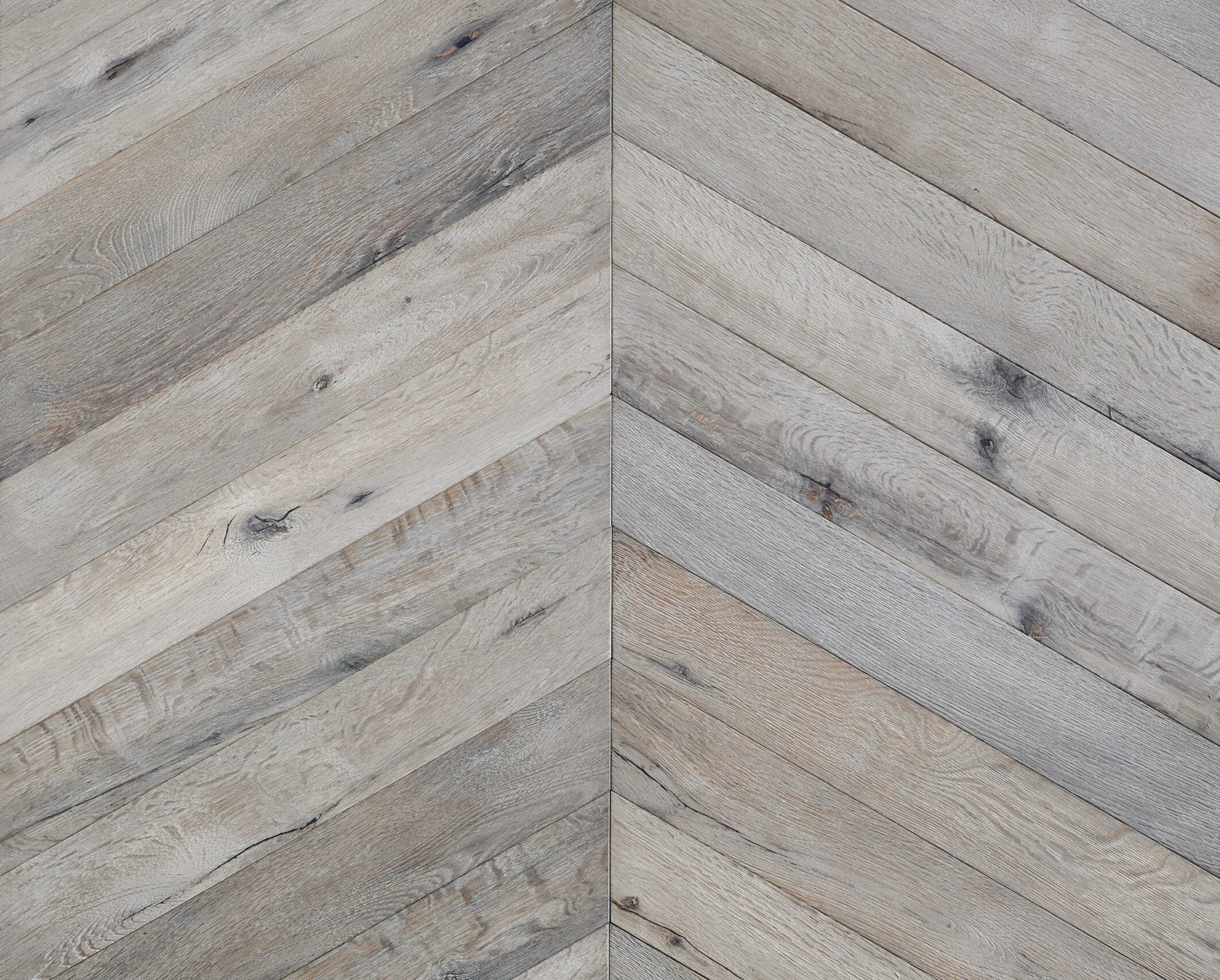
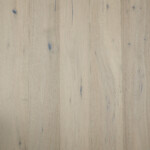
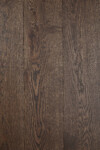
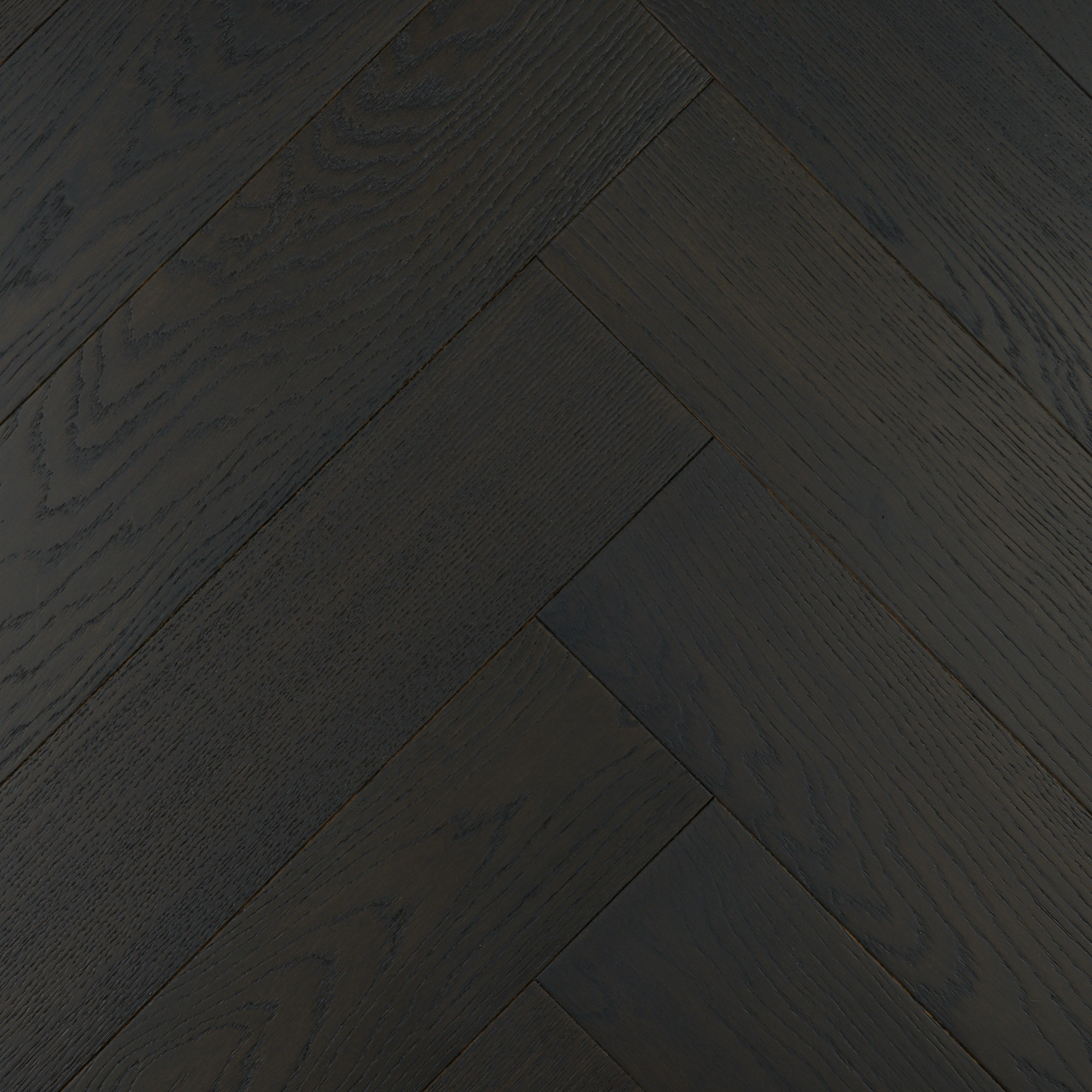
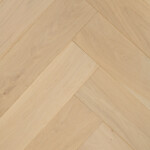
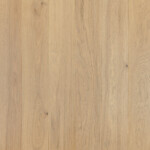
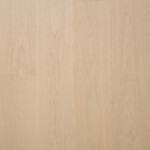
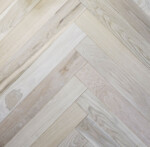
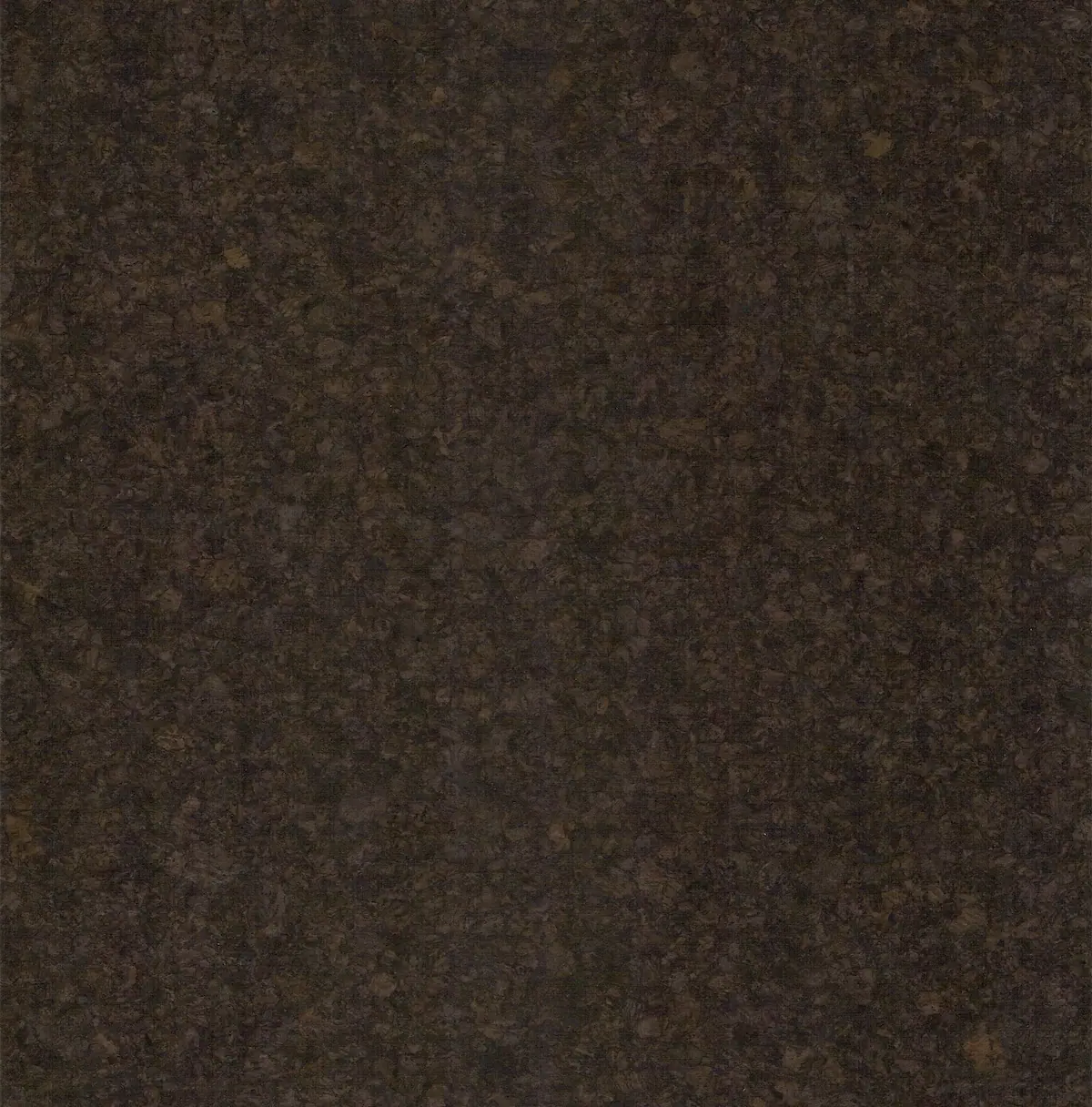

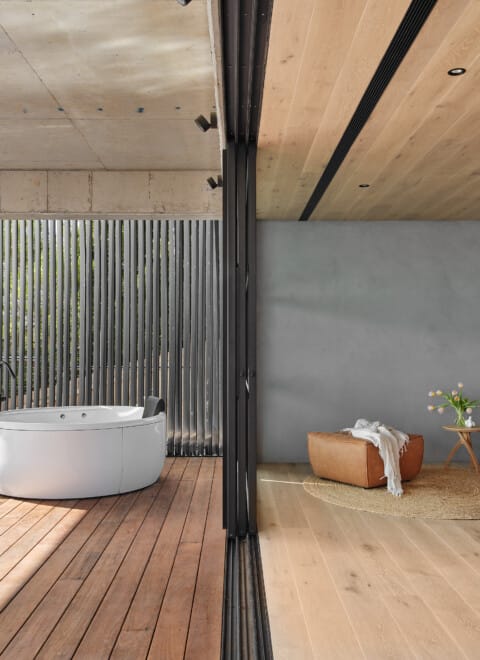

Two different timber floors meet in a single home. It sounds like a design dilemma. But here’s the truth: when done well, mixing timber flooring creates depth, character, and intentional contrast that a single floor simply can’t achieve.
Whether you’re extending into a new living space, renovating room by room, or zoning an open-plan layout, the question isn’t whether you can combine different timber floors. It’s how to make them flow.
The difference between a jarring mismatch and a sophisticated design statement comes down to three things: understanding undertones, choosing the right transition method, and committing to your decision with confidence.
This guide walks you through everything you need to know about transitioning between different wood floors, from the design principles that ensure visual harmony to the practical hardware that makes it happen.
In this guide:
- When and why different timber floors work in one home
- The undertone rule: matching warm, cool, and neutral timbers
- Stylish transition options (from brass trims to seamless joins)
- How to work with existing flooring during renovations
- Resale, longevity, and Australian climate considerations
Why two timber floors can be better than on
Not every home needs, or wants, identical flooring throughout. Here are the most common scenarios where mixing timber floors becomes the smarter choice.
Renovating room by room
Homeowners don’t always renovate all at once. You might update the kitchen and living areas now, then tackle the bedrooms in a few years. Matching timber to an existing floor that’s aged 10 or 15 years is notoriously difficult. Sometimes, embracing a complementary (rather than identical) timber is the more elegant solution.
Defining zones without walls
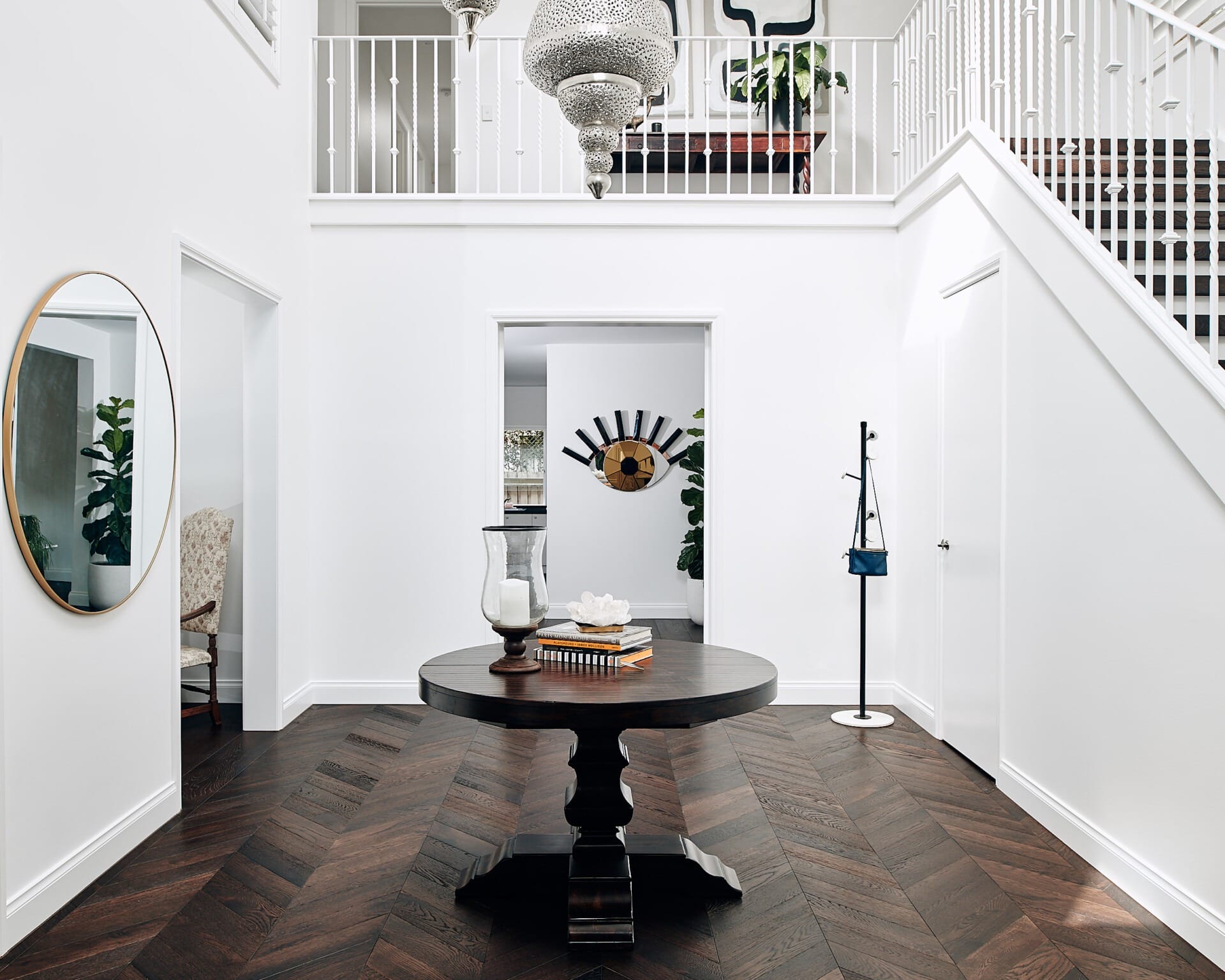
In contemporary open-plan homes, different flooring can subtly define zones without walls. A shift from wide-plank oak in the living area to herringbone in the dining space signals a change of function while maintaining material consistency. It’s architecture without construction.
Heritage meets modern extensions
Period homes with original timber floors present a unique challenge. Matching century-old boards is rarely possible, and often not desirable. A carefully chosen modern timber that complements (rather than imitates) the original creates a dialogue between old and new.
Practical room requirements
Some rooms demand different specifications. A home office might benefit from a darker, more formal timber. Bedrooms might call for something softer and warmer. These aren’t compromises, they’re opportunities for considered design.
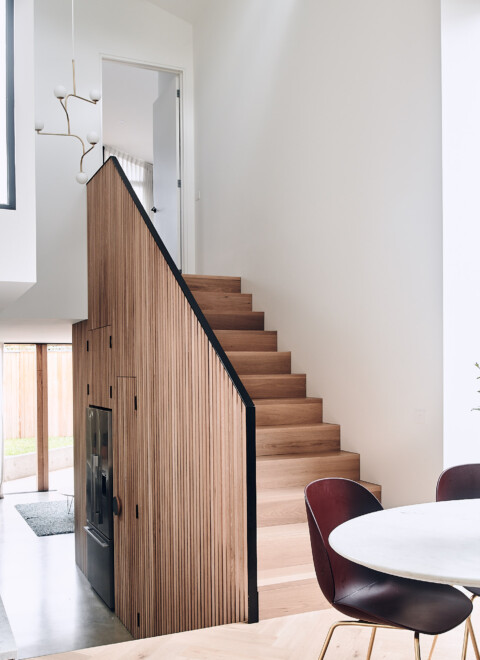
Contrast vs. harmony
Here’s the principle that separates successful timber transitions from awkward ones: commit fully to either matching or contrasting.
The danger zone? Two timbers that are almost the same but not quite. This reads as a mistake, like you tried to match and failed. Interior designers working on high-end homes are unanimous on this point.
You have two paths. Let us help you choose one.
Path 1: harmonious matching
If you want floors to feel continuous, focus on these three elements:
Undertones must align
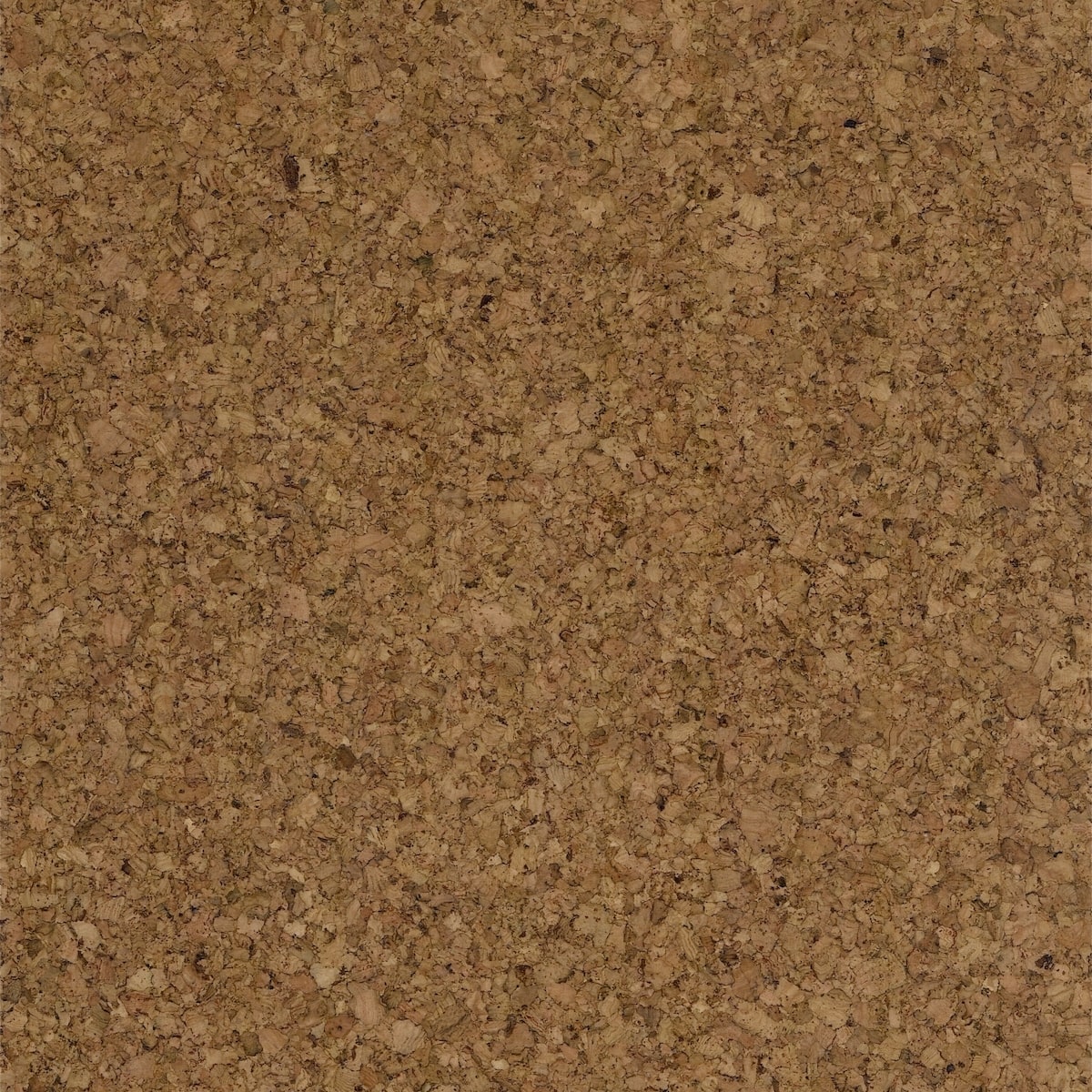
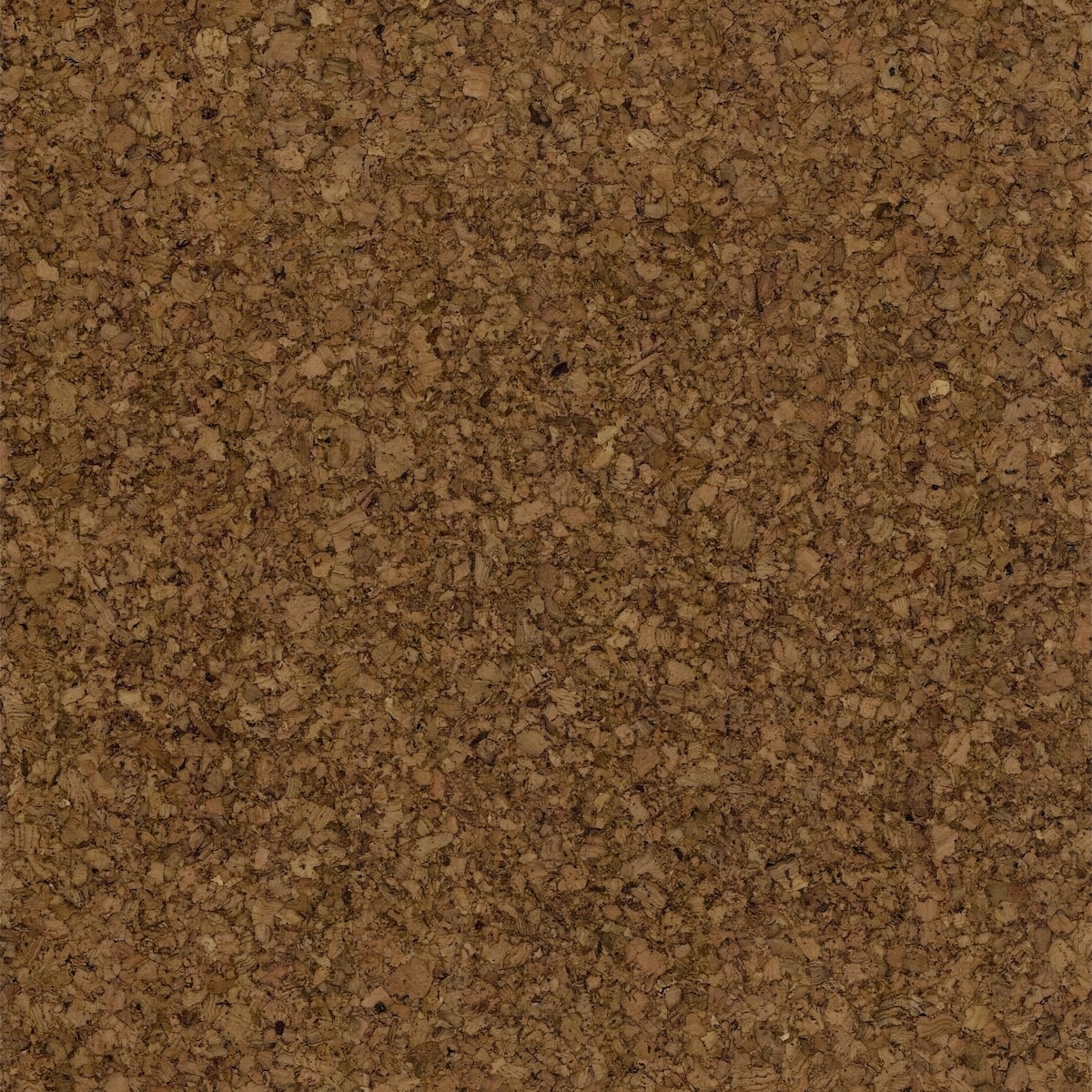
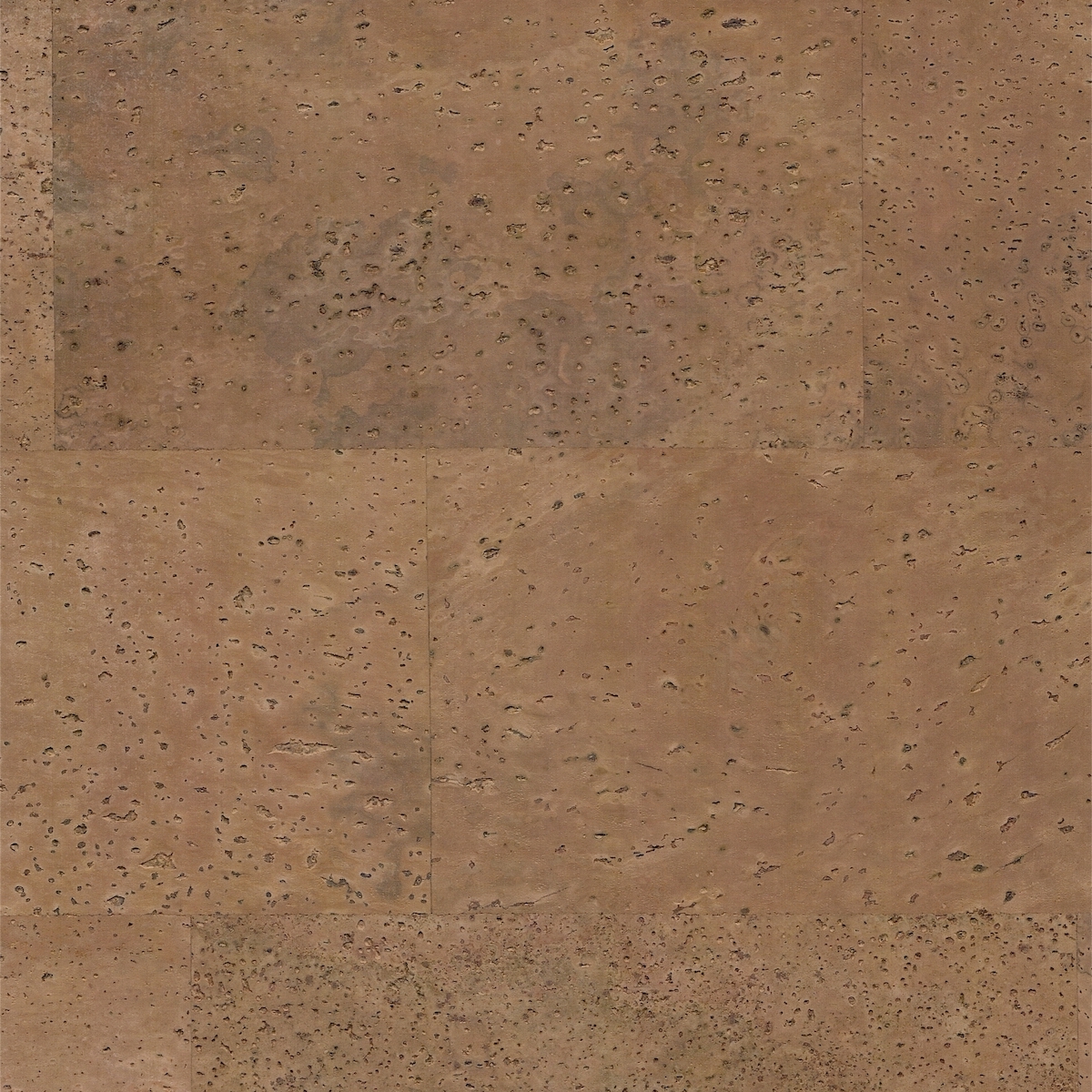
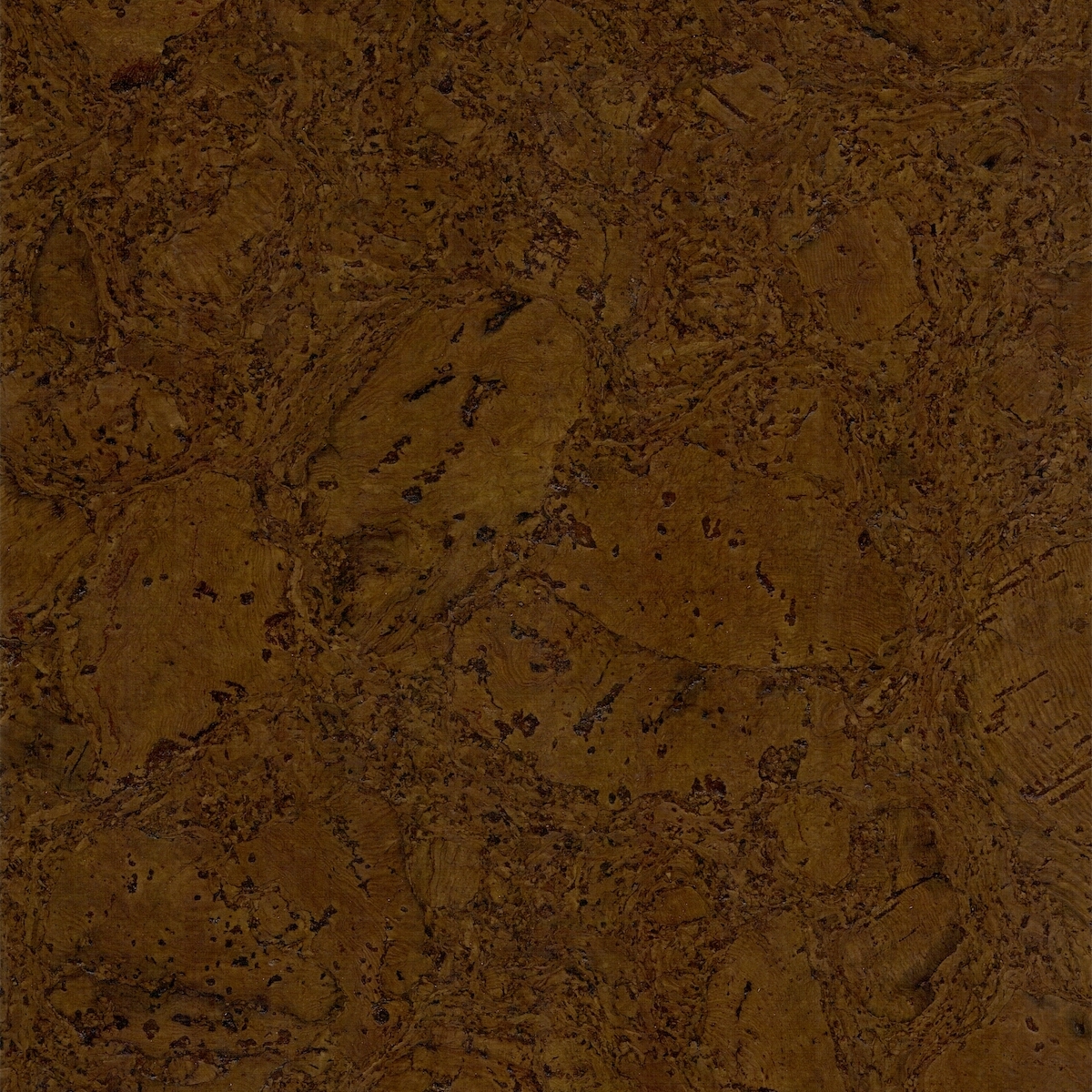
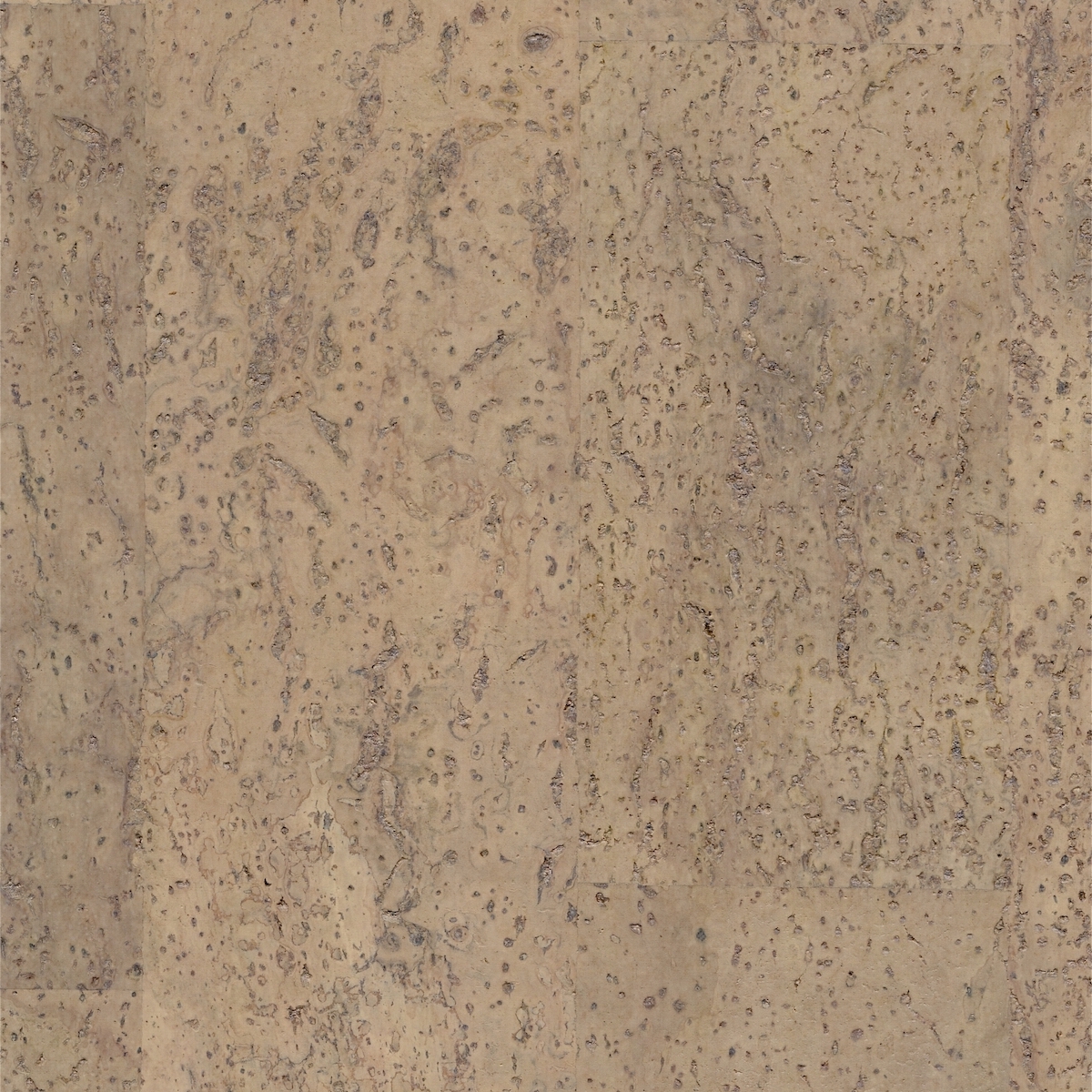
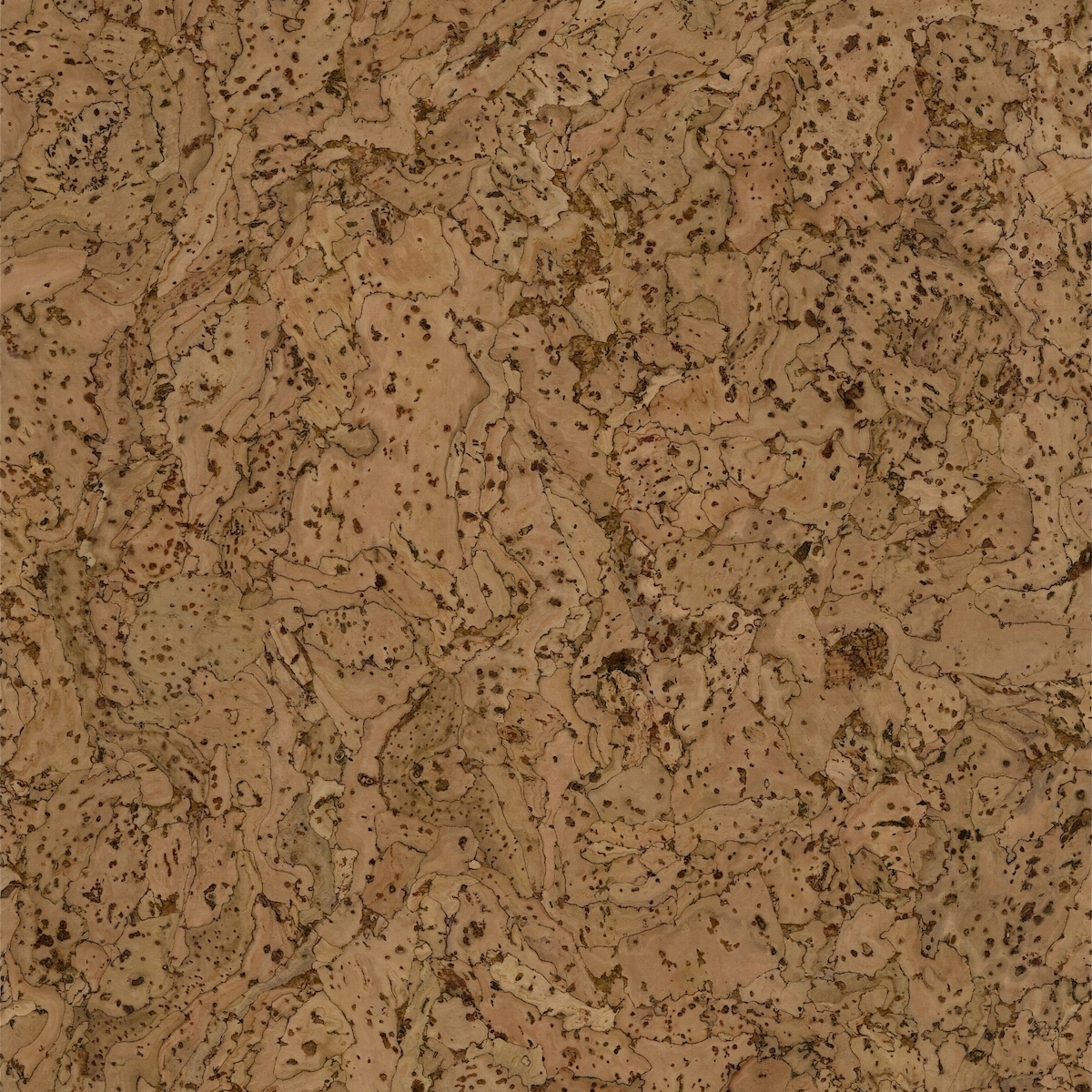
Every timber sits within a colour family: warm (amber, golden, buttery undertones), cool (ash, blue, sage undertones), or neutral. A baltic pine and our golden-toned Dakar both live in the warm family; they’ll complement each other. A grey-washed oak meeting a warm walnut will clash, even if their overall darkness is similar.
Pro tip: Test samples side-by-side under your home’s actual lighting at different times of day. What looks neutral in the showroom might reveal blush or buttery undertones in afternoon light.
Board widths should relate
Matching board widths creates the smoothest visual flow. If you’re changing widths, make it feel intentional. A bold shift from 90mm planks to 150mm herringbone reads as a considered design move. A small 20mm difference, however, can look like an attempted match that didn’t quite land.
Grain character should be consistent
A heavily knotted, rustic-grade timber meeting a clean, select-grade board creates visual tension. Keep grading consistent, or make the contrast dramatic enough to feel purposeful.
Path 2: intentional contrast
If perfect matching isn’t possible, or isn’t what you want, lean into contrast with confidence.
Go bold with colour
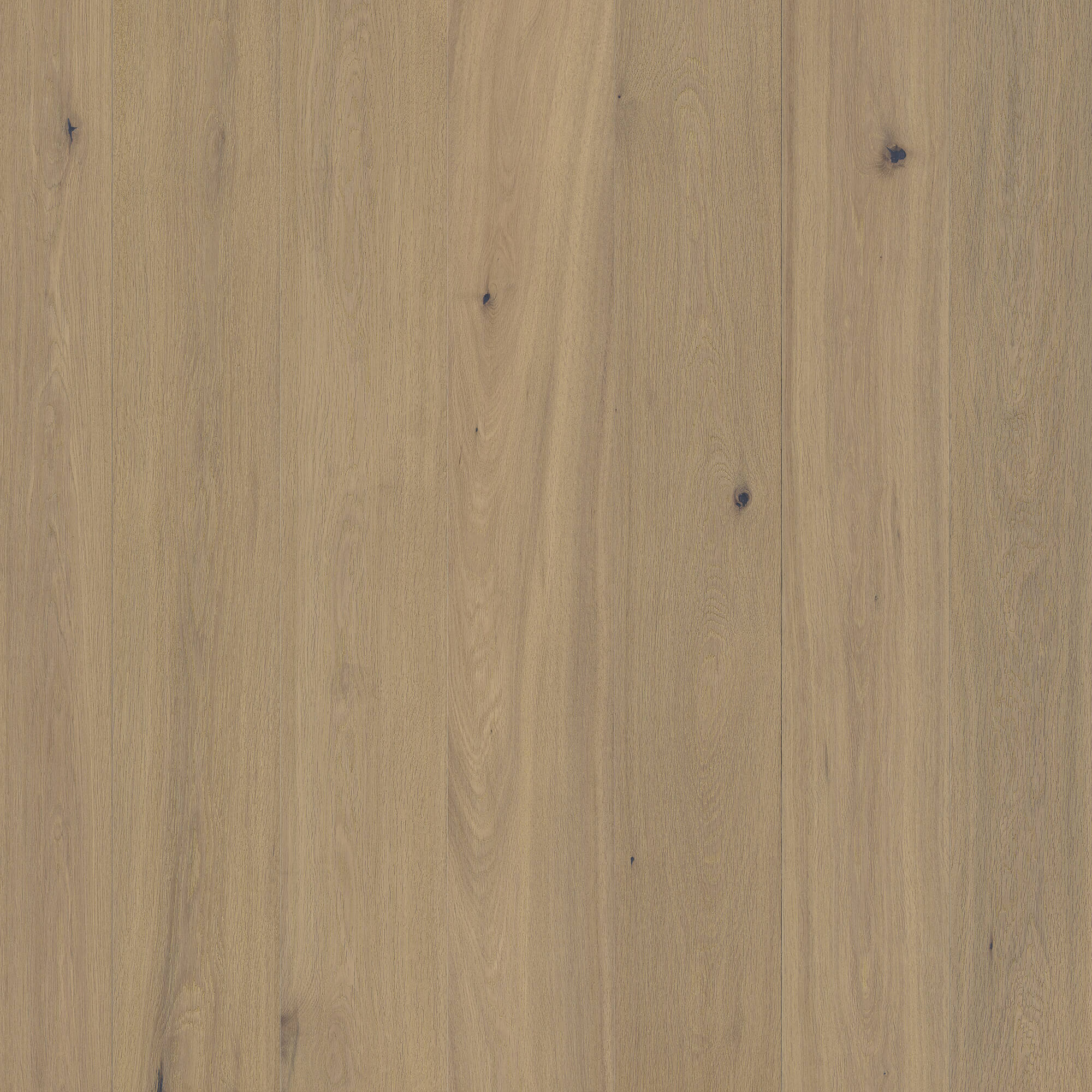
Pair a pale Alta with a deep espresso. The contrast becomes a feature, not a flaw. Collections like Kustom Timber’s Habitat range span from Beach House blonde to Black Japan molten, designed specifically to work together through contrast.
Use the transition as a design element
A brass trim or timber border strip doesn’t just solve a practical problem. It becomes a deliberate accent line, framing each floor like artwork.
Limit your palette
Designers recommend a maximum of two to three wood tones in any space, distributed evenly. More than this, and the eye has nowhere to rest.
From seamless to statement
The physical point where two floors meet requires a decision: hide it, bridge it, or celebrate it.
Seamless flush transitions
The premium approach. Both floors meet directly at the same height with no visible hardware, just a flush finish to allow for periodic movement, using a timber threshold piece.
Requirements:
- Both floors are at exactly the same level (typically planned during construction or major renovation)
- Permanent installation method, glue-down/direct-stick installation rather than floating
- Precise subfloor preparation allowances
Favoured in luxury homes, this approach allows craftsmanship to speak quietly through detail. It requires considered planning and expert installation to achieve a truly resolved outcome.
T-Mouldings
The workhorse of same-height transitions. A T-shaped profile sits between two floors of equal height, anchored into a track beneath. Clean, functional, and available in timber-matched or metal finishes.
Best for: Doorway transitions between rooms with different timber floors at the same level.
Ramped thresholds
When floors meet at different heights, a ramped threshold creates a gentle slope between them. Essential for safety and accessibility, and required under Australian building standards when height differences exceed certain measurements.
Best for: Transitioning from thicker solid timber to thinner engineered timber flooring, or where new flooring meets existing at a different level.
Aluminium trims
Here’s where function meets design statement.
Brass and gold trims are the current favourite in premium Australian interiors. Available in polished, brushed, satin, and antique finishes, brass creates a warm accent line that complements the broader trend toward honey and caramel timber tones. A 10mm brass strip between a pale oak living area and a darker study floor doesn’t just solve a problem, it elevates both spaces.
Matte black trims suit contemporary and industrial aesthetics. The bold definition works particularly well against light timber floors, creating graphic contrast.
Brushed nickel and chrome offer a cooler alternative for homes with stainless steel or chrome fixtures throughout.
Timber borders and inlays
For a bespoke touch, a timber border can frame one floor type before it meets another. This technique works beautifully with parquetry patterns; a herringbone field bordered by straight planks in the same tone creates an integrated “rug” effect that grounds furniture arrangements.
Rather than installing the border first, the parquetry field is laid in full. The outer edges are then carefully cut to exact dimensions before the border is introduced — a time-intensive process that ensures the frame sits perfectly and the pattern resolves cleanly.
Thresholds
Purpose-built for under-door transitions, thresholds handle the specific demands of high-traffic doorways. They’re essential where bathroom or laundry tiles meet with hallway timber flooring, managing both the visual transition and any pattern considerations.
Working with existing floors
Renovating around existing timber floors requires a strategy. Here’s how to approach the most common scenarios.
When you want to match
Matching aged timber is challenging. Achieving an exact match with existing timber flooring is rarely possible. Over time, boards naturally shift in tone due to sunlight exposure, wear, and environmental conditions. Even if the same species and finish are still available, an existing floor that has aged for 10 or 15 years will not look identical to freshly installed boards.
Option 1: Sand and refinish everything
If you can source matching timber for the new section, sanding and refinishing the entire floor (old and new together) creates the most uniform result. This works best when the existing floor has enough thickness for another layer of sand; engineered timber with a 4mm hardwood veneer handles this beautifully.
Option 2: Stain the new timber darker
Fresh timber can be stained slightly darker than the existing floor, then allowed to lighten over time toward a match. This requires patience and a skilled finisher.
Option 3: Source reclaimed timber
For heritage homes, reclaimed boards of a similar age and species offer the closest match to original floors. Availability varies, and you expect to pay a premium.
When matching isn't possible
Sometimes the original timber is discontinued, too damaged, or simply impossible to replicate. This is where intentional contrast becomes your friend.
Choose a new timber that complements the existing floor through undertone alignment but differs enough to read as deliberate. A 1970s red-toned hardwood can work beautifully alongside a contemporary warm oak; the shared warm undertone creates cohesion, while the distinct species and board widths signal intentionality.
Use a transition strip or border to define where old meets new clearly. This frames the change as a design decision, not a failed match.
Resale value
Quality timber flooring consistently ranks among the highest-ROI home improvements. But does mixing timbers help or hurt?
The answer depends entirely on execution. A thoughtfully designed transition, particularly one featuring premium hardware like brass trims, signals attention to detail and quality craftsmanship. Clumsy transitions, height differences, or mismatched tones do the opposite.
For maximum resale appeal, stick to timeless choices: natural oak tones, medium browns, and classic patterns like herringbone. Avoid anything too trend-driven, and ensure transitions look intentional rather than accidental.
Accessibility requirements
Australian Building Standards (AS 1428.1) specify maximum height differences at thresholds for accessibility compliance. If you’re building or renovating for accessibility, or future-proofing for aging in place, transition heights must be considered during planning.
Ramped thresholds solve most height-difference challenges while maintaining accessibility. Seamless flush transitions offer the most accessible solution, but require both floors to be at identical heights.
See It In Person
Transitioning between different timber floors is equal parts design decision and technical execution. Get it right, and you create a home with depth, character, and intentional beauty. Get it wrong, and every visitor notices.
The difference comes down to quality materials, considered design, and expert installation.
At Kustom Timber, we’ve spent over a decade helping Melbourne homeowners and designers navigate exactly these decisions. Our Melbourne showroom lets you see full-sized samples side by side, test undertones under real lighting, and plan transitions with expert guidance.
Ready to see what’s possible?
Explore our range or book a showroom consultation to discuss your project with our team.
Frequently asked questions
Should timber floors match throughout the house?
Not necessarily. While matching floors creates visual flow, intentionally different timbers can define zones, add character, and solve practical challenges during staged renovations. The key is ensuring different floors complement each other through aligned undertones and confident transitions.
How do you transition between two different timber floors without it looking like a mistake?
Commit to either matching or contrasting, never land in between. Ensure undertones align (both warm or both cool), use a quality transition strip or seamless join, and maintain consistent board widths or make width differences dramatic enough to appear intentional.
What is the difference between a T-moulding and a reducer strip?
T-mouldings connect two floors at the same height, sitting between them with a T-shaped profile. Reducer strips or ramped thresholds create a gradual slope between floors of different heights, essential for safety and accessibility.
Can different timber floors be installed without transition strips?
Yes, only if both floors are at similar height, installed using glue-down methods (not floating). This premium approach requires professional installation and advance planning.
Where should floor transition strips be placed?
Transition strips typically sit directly under closed doors, centred in the doorway. When the door is closed, the transition is hidden. Other natural transition points include the entry to hallways, where flooring direction changes, and at the threshold of wet areas.
Related Articles
View all articles