





The Quick Version
- Rustic Japandi blends Japanese wabi-sabi (beauty in imperfection) with Scandinavian hygge (cosy comfort)
- The style demands natural materials with visible character—matte timber, gentle knots, linen, stone
- Flooring sets the foundation: Whether going for a Feature or Natural grade European Oak with brushed texture, or a softer, minimalistic timber to contrast with other heavy textures, we can assist in finding what works best
- Extend the material story into cladding, stairs, and parquetry for cohesion
- It’s minimalism with warmth, not sterility
Minimalism has a problem. Strip a room back too far, and it stops feeling like home—it becomes a gallery, beautiful but untouchable. Add too much warmth, and you’ve lost the calm entirely.
Rustic Japandi solves this tension.
It’s the design philosophy gaining traction among Melbourne and Brisbane architects, interior designers, and homeowners who want spaces that feel both edited and inviting. Rooms where light moves gently across a floor that shows its grain. Where every surface invites touch. Where imperfection isn’t a flaw—it’s the point.
For those ready to move beyond trend-chasing toward something with genuine material integrity, rustic Japandi offers a framework. And at Kustom Timber, we’ve seen firsthand how the right timber specification transforms this philosophy into a home that ages beautifully.
What Defines Rustic Japandi?
At its core, Japandi fuses two design traditions: the Japanese principle of wabi-sabi—finding beauty in imperfection—and the Scandinavian concept of hygge, that sense of cosy contentment. Both cultures share a reverence for natural materials, craftsmanship, and functional simplicity.
The “rustic” layer takes this foundation and dials up the texture. Where traditional Japandi might favour clean oak with minimal grain variation, rustic Japandi embraces visible knots, tonal shifts, and hand-finished surfaces. The result is a home that feels grounded rather than pristine.
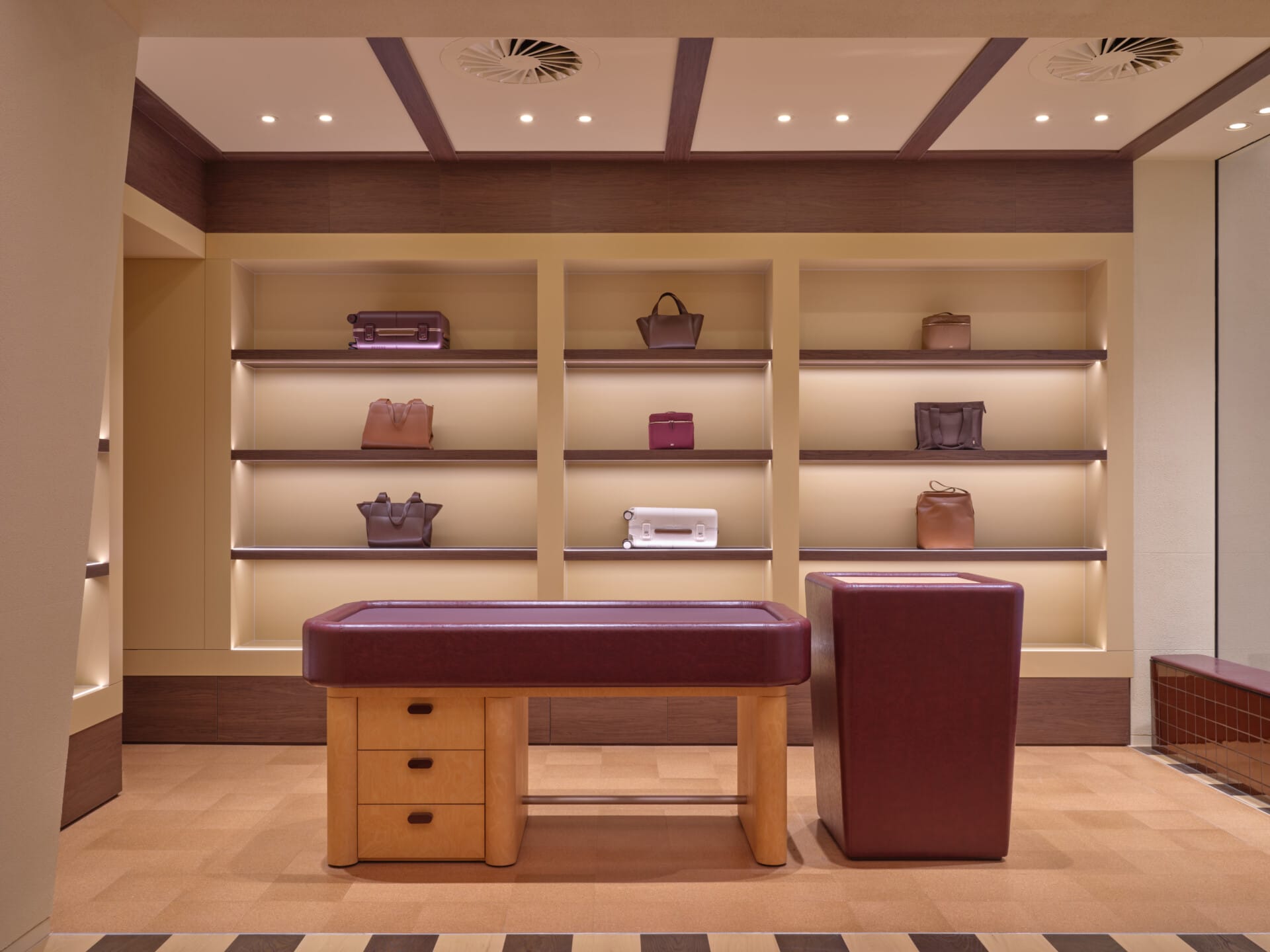
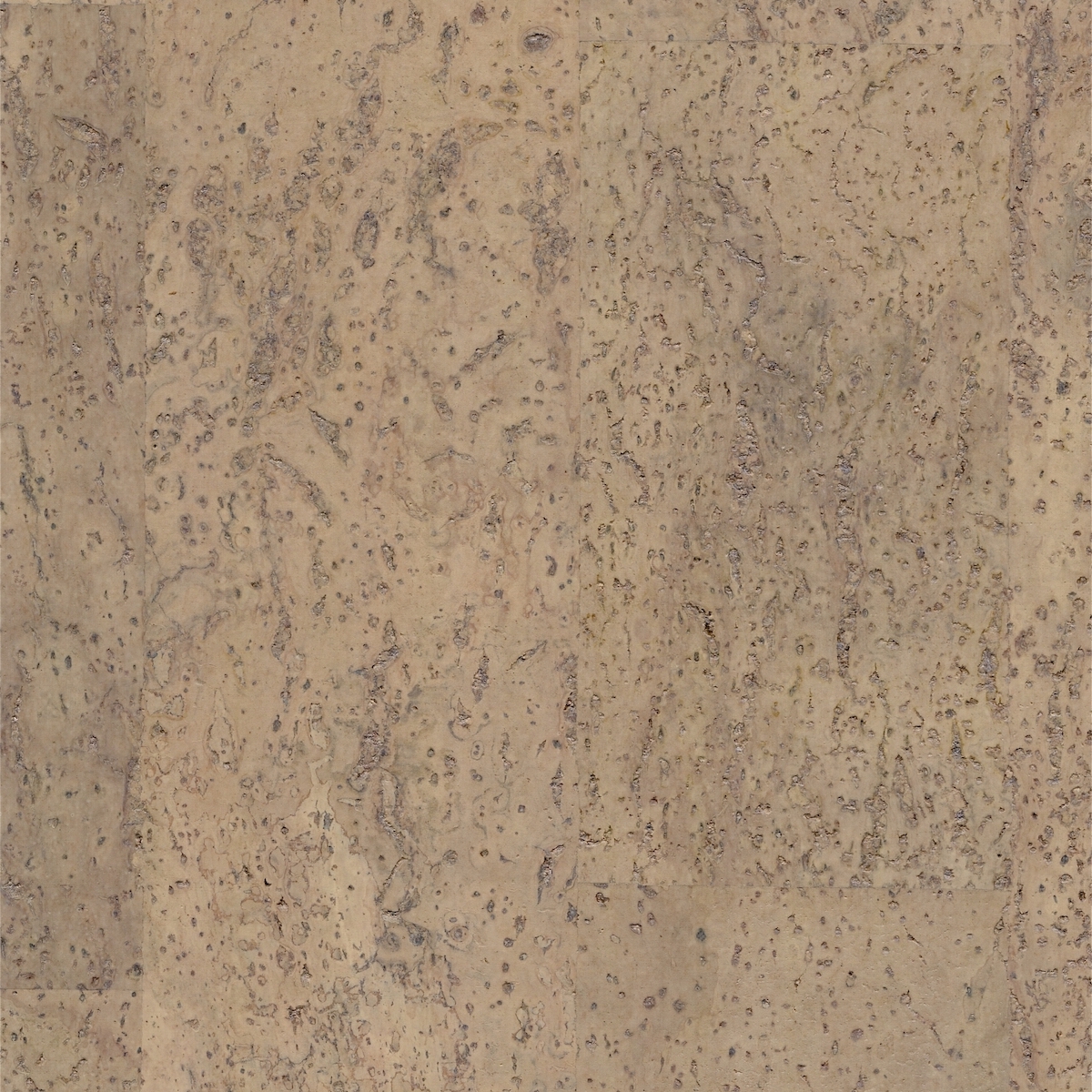
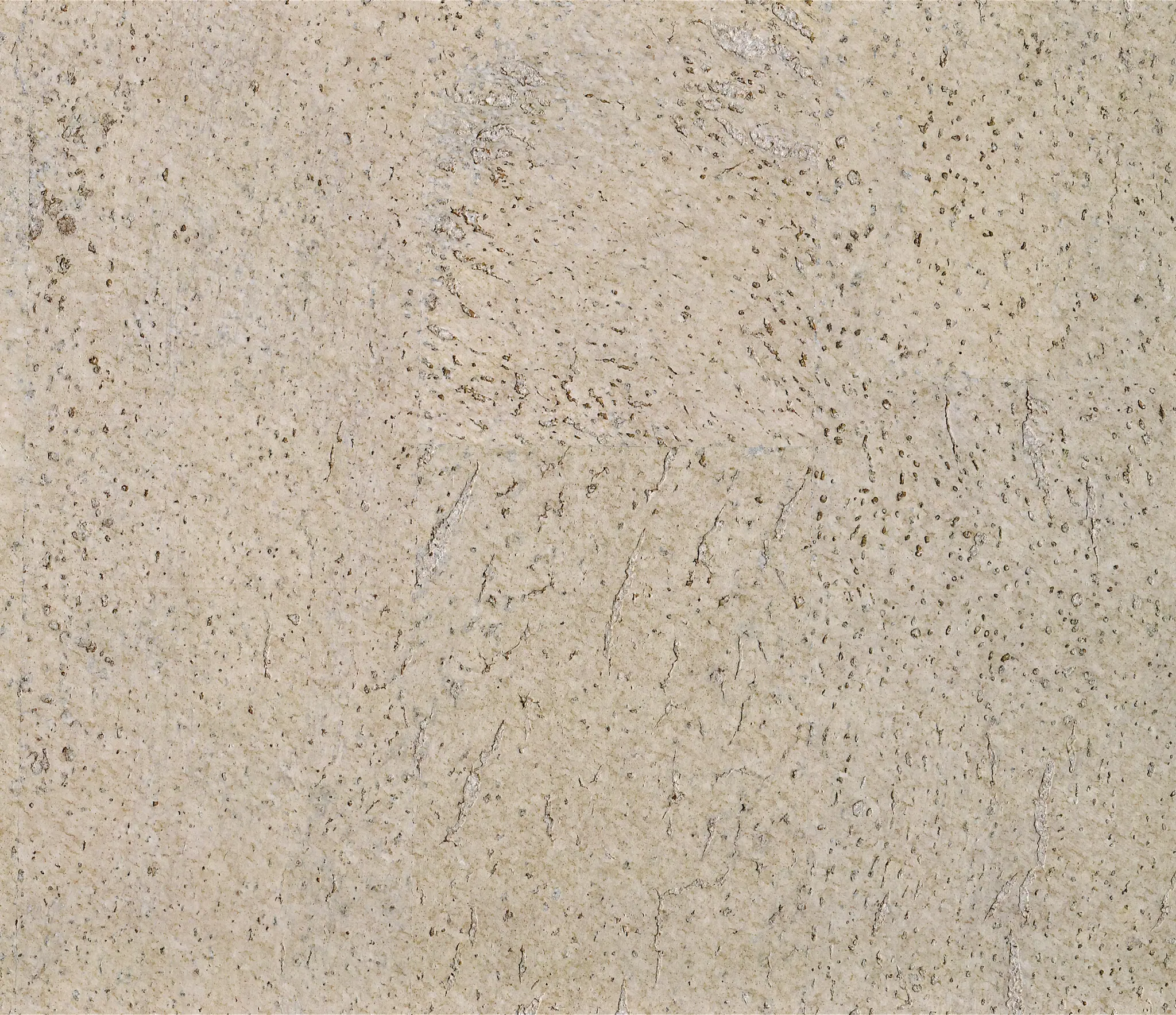
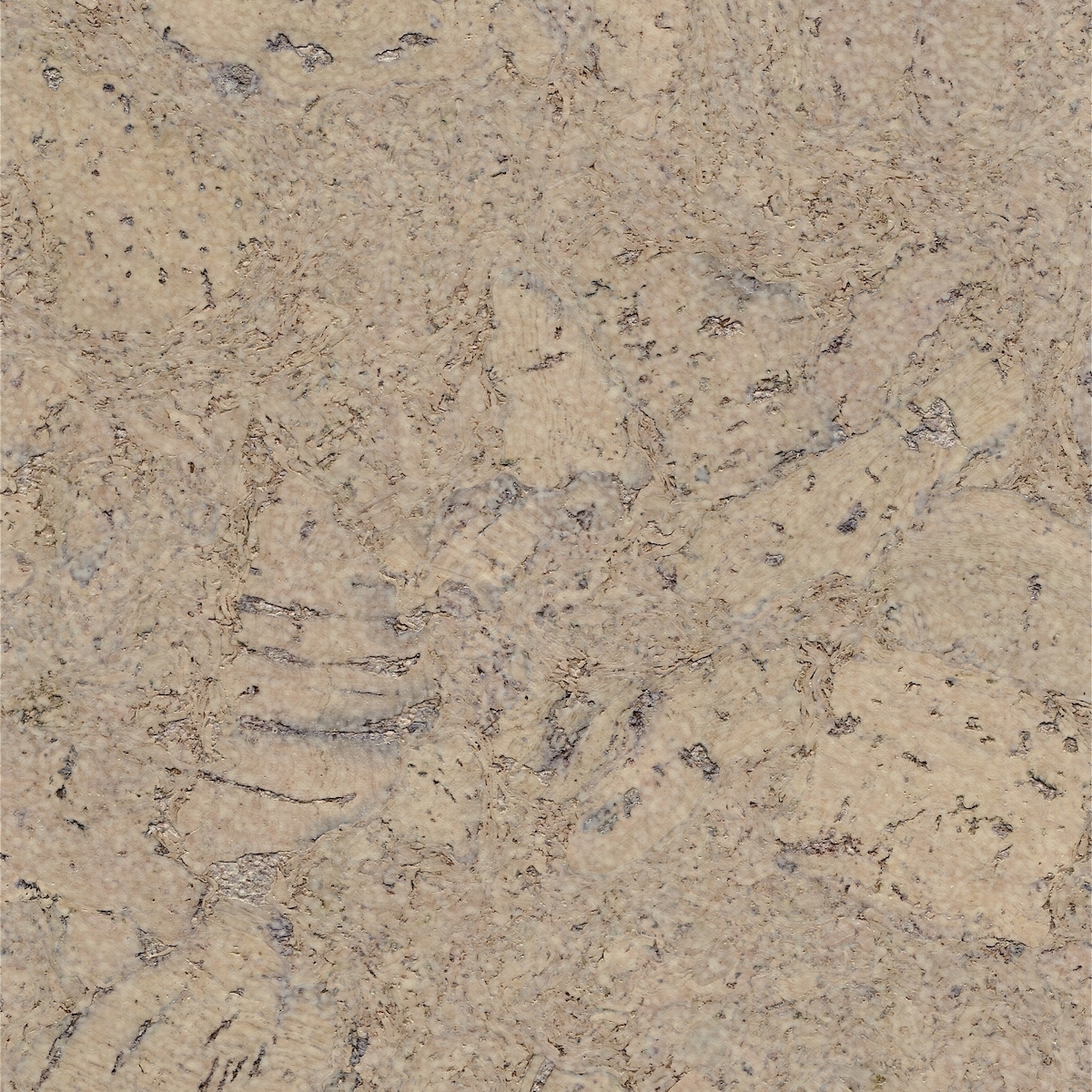
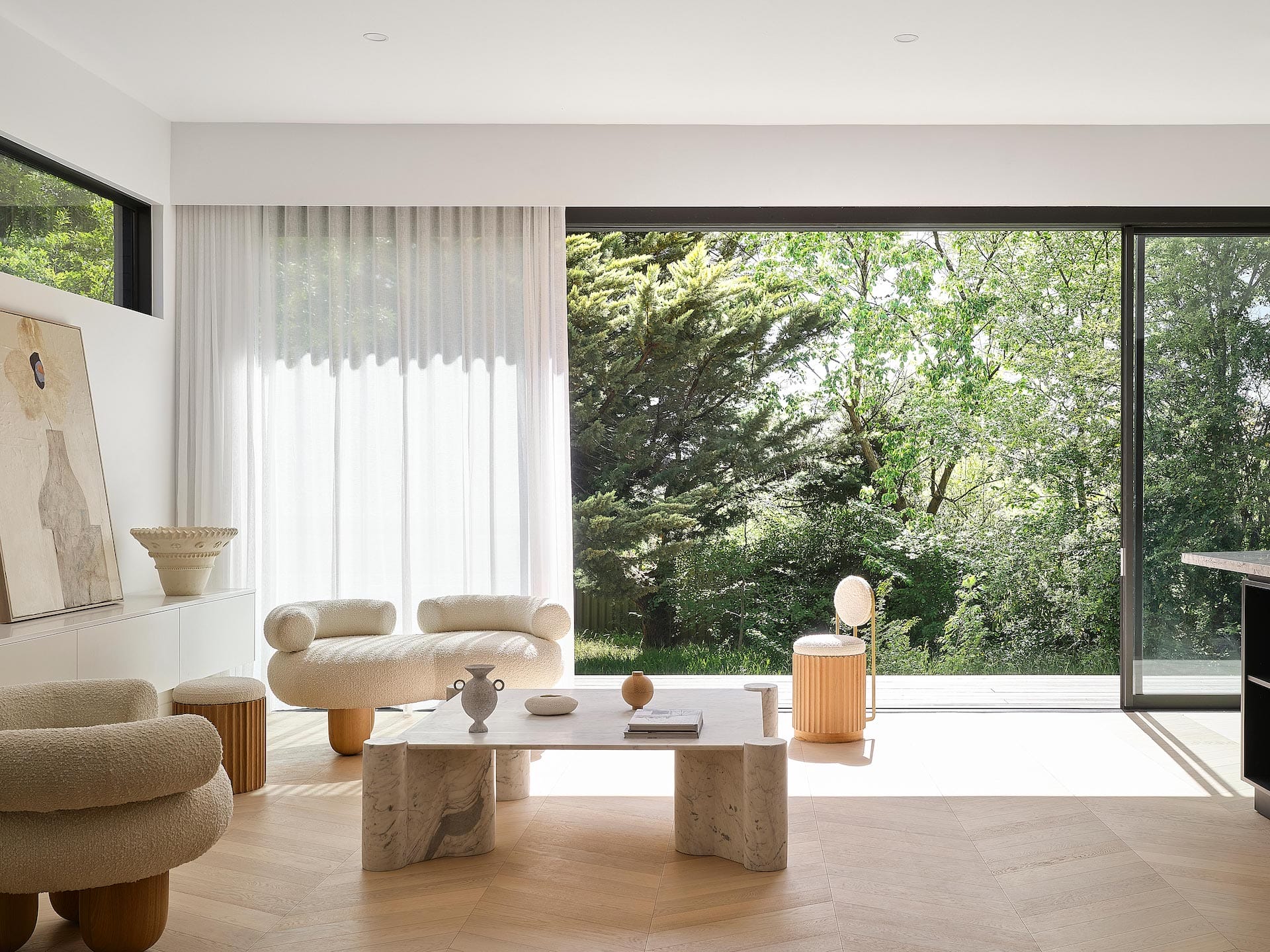
Think muted colour palettes—soft greys, warm creams, gentle taupes—paired with materials that reveal their origins: brushed timber, raw linen, handmade ceramics, natural stone. Decoration is spare, but every surface carries weight.
Why Timber Is the Foundation of Rustic Japandi
In minimal interiors, flooring does the heavy lifting. When walls are calm, and furnishings are edited, and your floor becomes the largest and most tactile design element in the room.
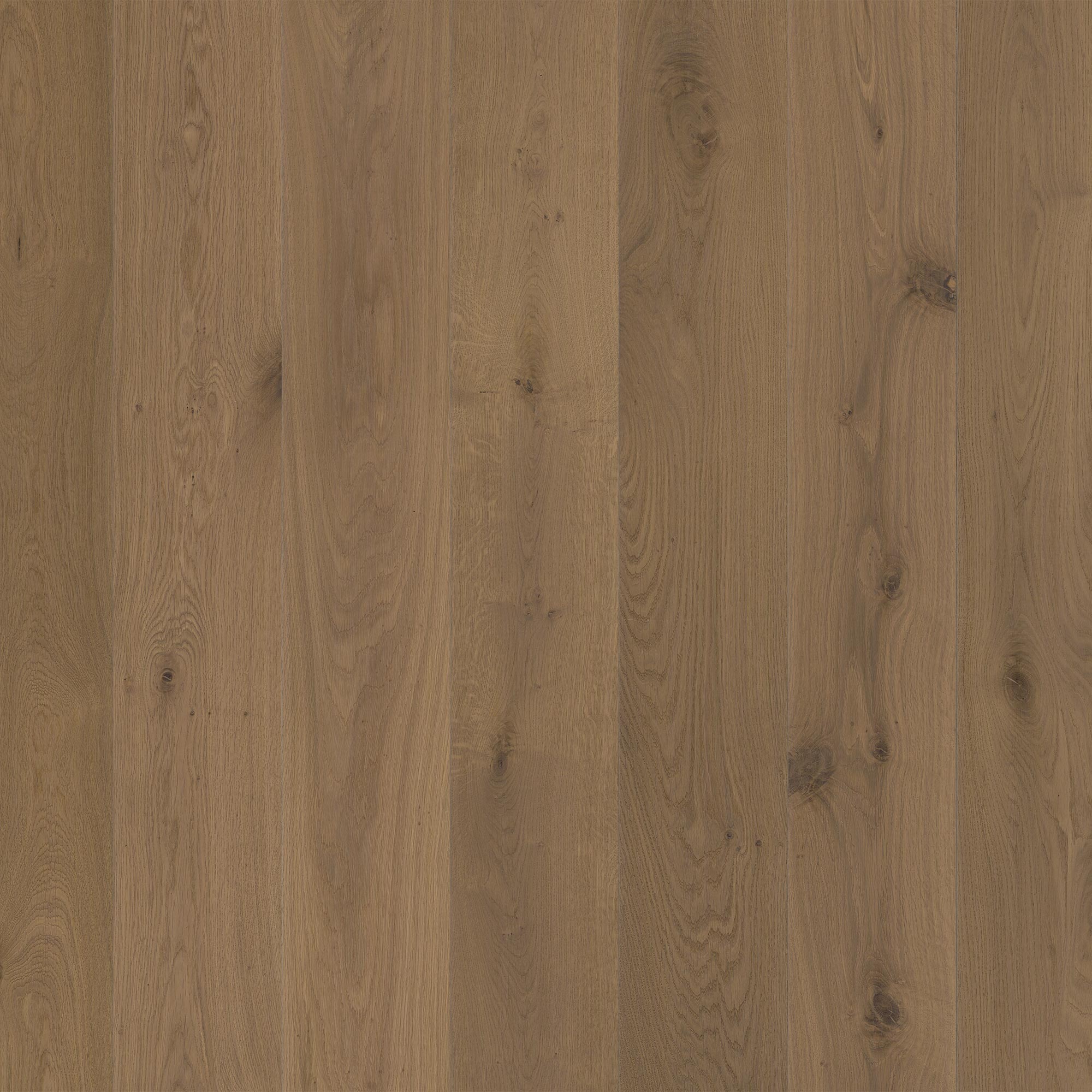
For rustic Japandi interiors, the timber specification is critical. A high-gloss, overly uniform floor can feel clinical and disconnected from the warmth the style calls for. Instead, the aesthetic favours natural grain variation, subtle knots, and a low-sheen or matte finish that absorbs light rather than reflecting it. These so-called imperfections are not flaws — they are essential to the character of the space. They ground the interior, add quiet depth, and introduce texture without competing with the architecture.
This is where engineered European Oak becomes the material of choice. Beyond aesthetics, engineered construction offers genuine performance advantages for Australian conditions. The cross-laminated ply core restricts the movement that solid timber experiences with humidity shifts—critical whether you’re dealing with Melbourne’s dry winters or Brisbane’s subtropical summers.
Choosing the Right Grade and Finish
Not all timber grades suit this aesthetic equally. For rustic Japandi interiors, material honesty and tonal depth are essential
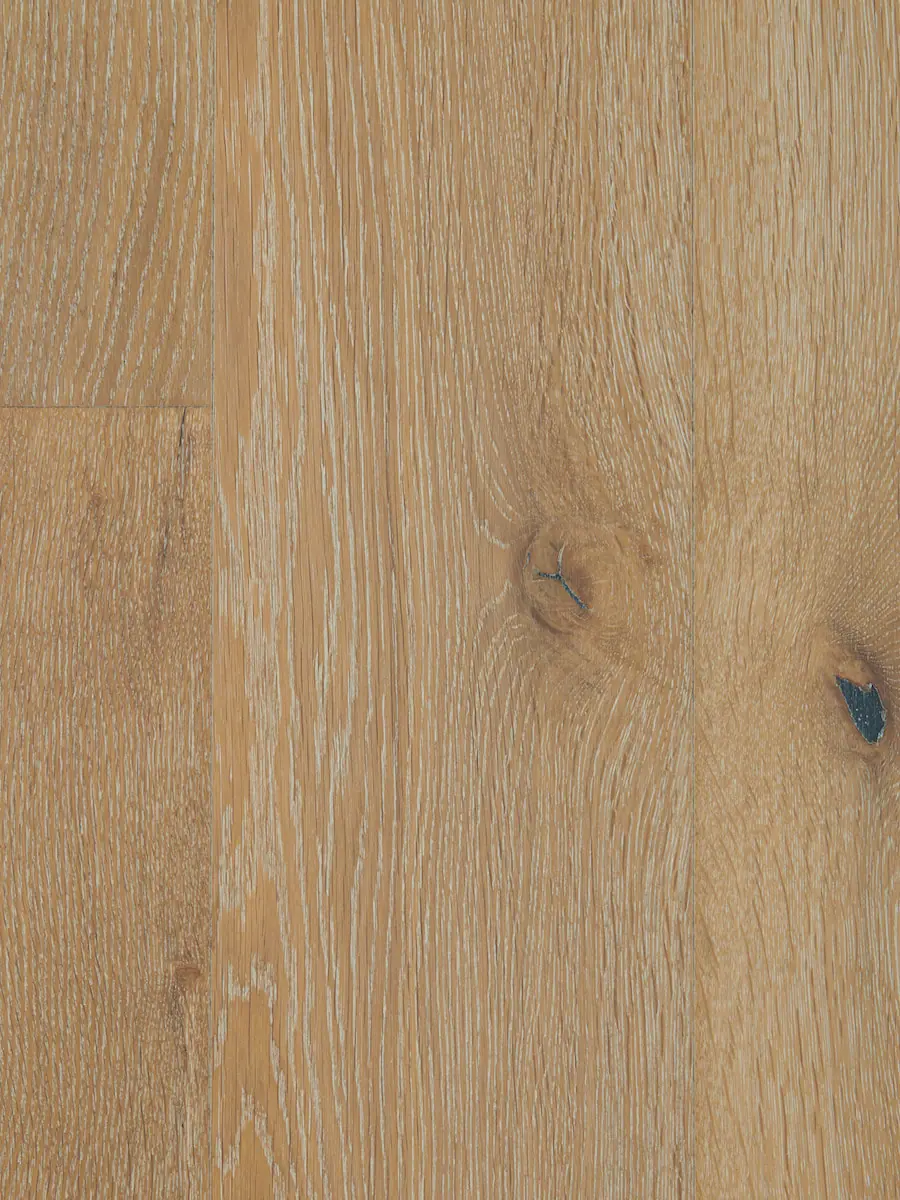
Prime grade delivers a clean, uniform look with minimal knots—better suited to traditional Scandinavian minimalism than rustic Japandi. For this style, Natural or feature-grade timber provides the character the design demands: visible knots, heartwood and sapwood contrast, and the organic variation that makes each plank distinct.
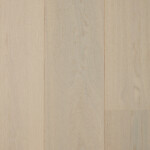
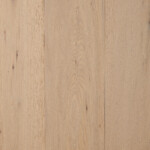
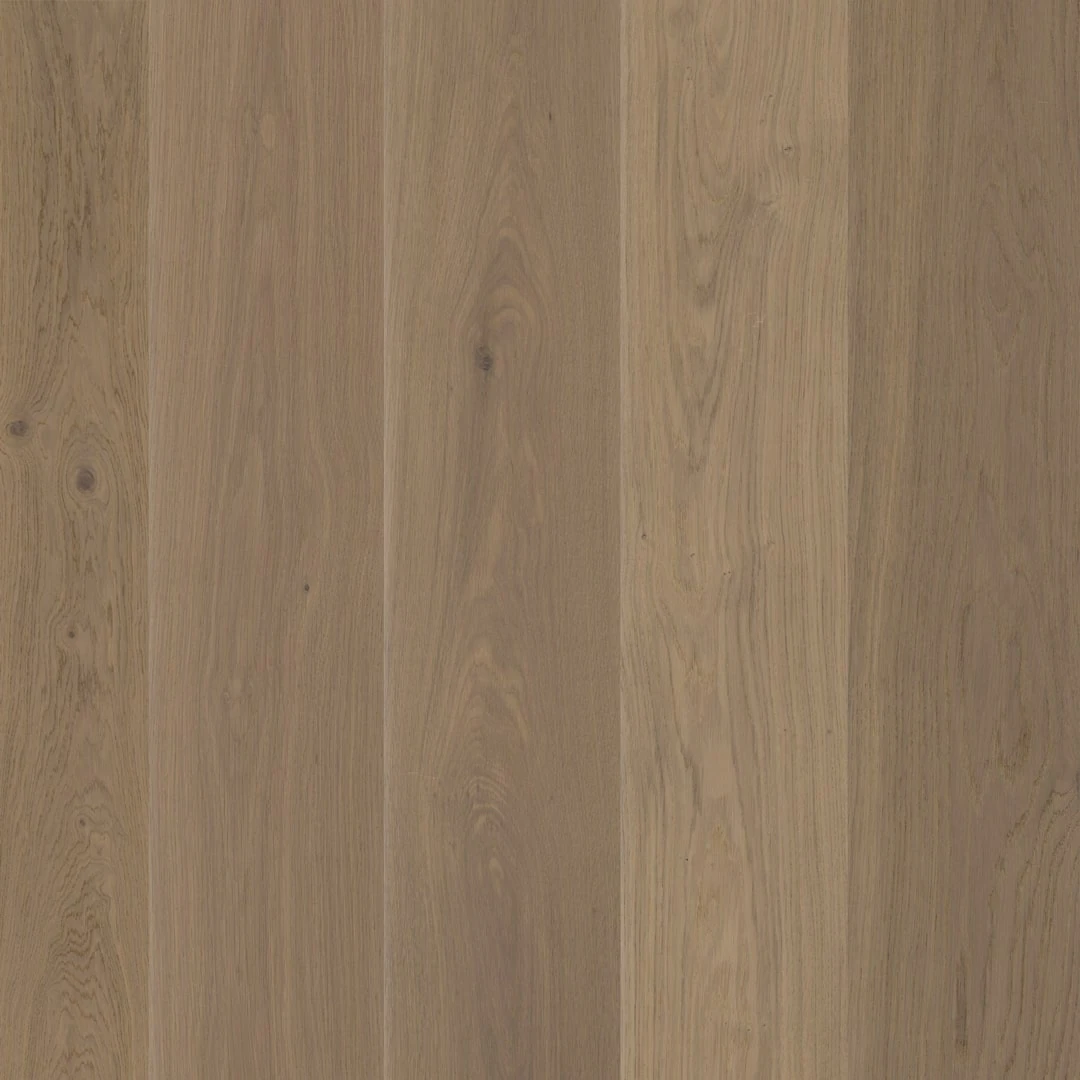
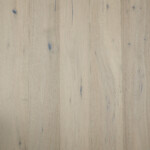
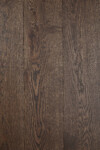
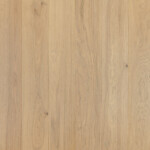
The Peninsula range is particularly suited to this aesthetic. Finishes like St Andrews offer a softly weathered, matte-blonde tone with pronounced brushed texture—evoking the driftwood and earth tones found along Victoria’s Mornington Peninsula. For spaces that lean earthier, Diamond Bay delivers deeper mocha tones with bold knots that hide everyday wear.
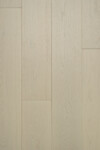
The Habitat range in Natural Grade also aligns seamlessly with this philosophy. Finishes such as Nordic Blonde or Hermitage with their matte surface, organic variation, and natural grade character ensure the floor feels crafted rather than manufactured. They are layered, textural, and confident.
Beyond the Floor: Timber as Joinery
Rustic Japandi isn’t a single-surface style. The most cohesive interiors extend timber into wall cladding, stairs, and parquetry patterns—treating timber as a joinery material rather than a commodity flooring product.
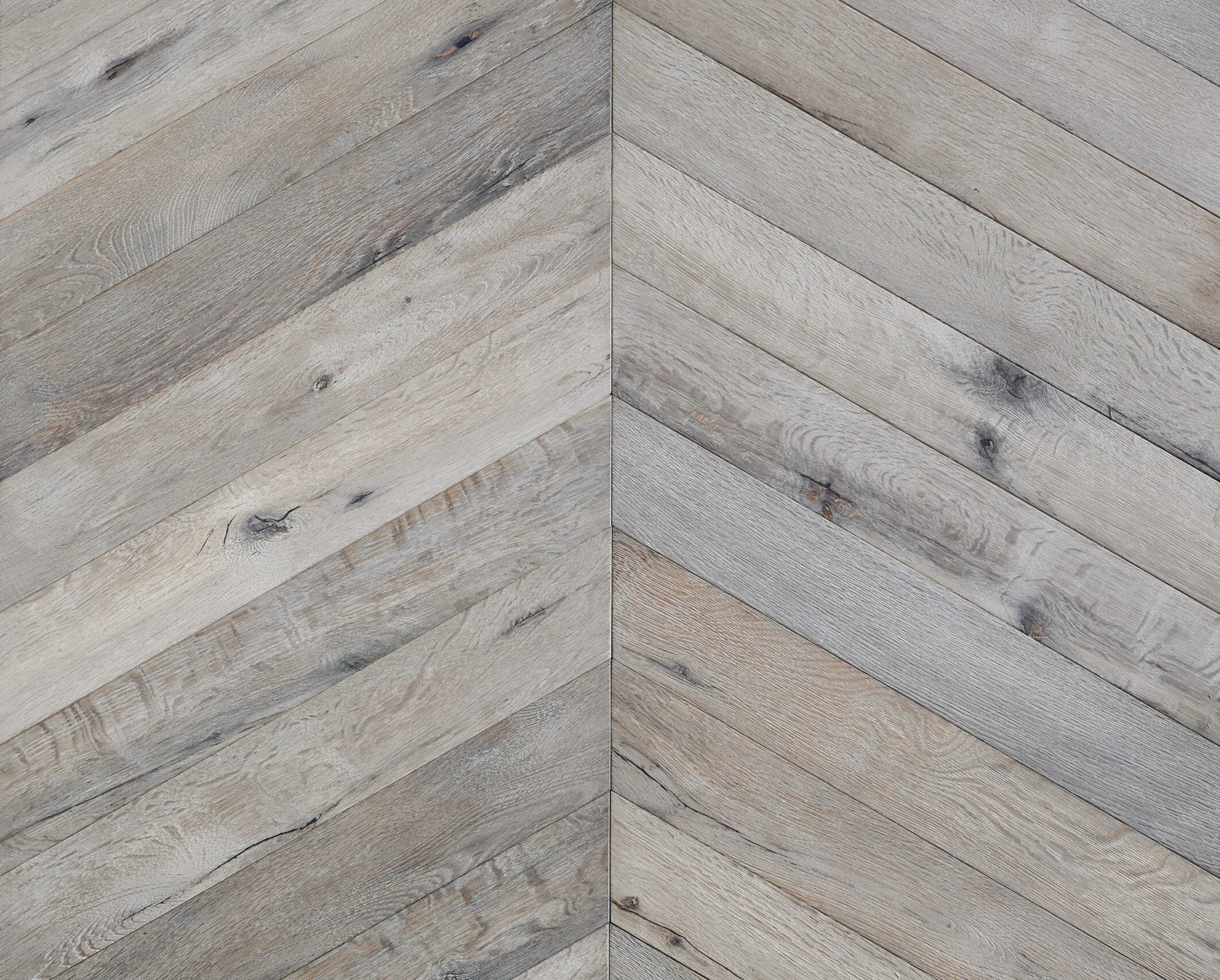
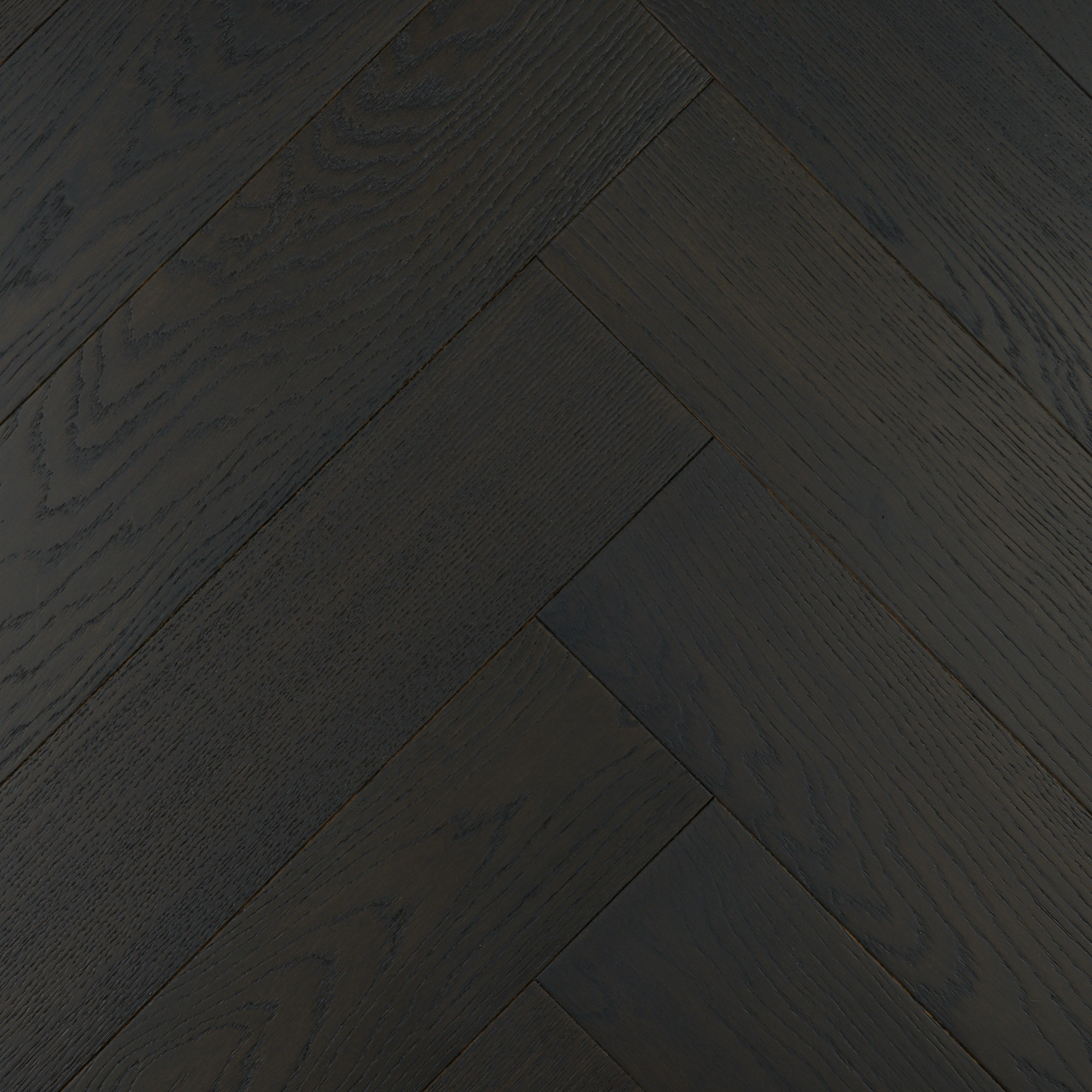
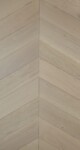
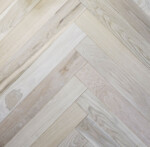
Timber cladding on a feature wall or ceiling adds architectural warmth without colour. Parquetry patterns—herringbone or chevron—introduce geometric interest while maintaining material consistency. And specifying timber stairs from the same batch as your flooring creates seamless visual flow between levels.
Projects like the Sorrento residence demonstrate this approach: European Oak herringbone flooring paired with restrained coastal architecture, where the timber anchors the interior without overwhelming it.
Balancing Warmth and Restraint
The tension in rustic Japandi is getting the balance right. Too minimal, and the space feels cold. Too textured, and you’ve tipped into farmhouse territory.
The key is editing. Choose one or two hero materials—typically timber and a textured fabric like linen or bouclé—and let them carry the room. Furniture should sit low and unobtrusive. Lighting, particularly architectural pieces in glass and brass, can introduce organic form without clutter. And always, always leave breathing room.
This restraint extends to colour. Avoid the temptation to “warm up” the space with accent walls or bold rugs. In rustic Japandi, warmth comes from material, not colour.
Considering Australian Conditions
Timber is a hygroscopic material—it responds to its environment. In Melbourne’s changeable climate or Brisbane’s high humidity, this means understanding that seasonal movement is normal, not a defect.
Engineered timber is inherently more stable than solid timber. Our flooring is designed to be installed without the need for on-site acclimatisation, provided the home is enclosed and at normal living conditions. As with all timber products, maintaining a consistent indoor climate supports optimal performance.
For coastal homes along the Mornington Peninsula or Brisbane’s bayside suburbs, these considerations matter. Kustom Timber’s team can advise on the right product specification for your specific conditions—something best discussed during a showroom consultation where you can see and feel the finishes in person.
Frequently Asked Questions
What’s the difference between Japandi and rustic Japandi?
Traditional Japandi emphasises clean lines and uniform finishes. Rustic Japandi pushes further into texture—celebrating visible grain, natural knots, and hand-finished surfaces that embrace the wabi-sabi philosophy of beautiful imperfection.
Which timber grade is best for rustic Japandi interiors?
Natural or Feature grade. These grades include the knots, tonal variation, and organic character that define the style. Prime grade can is typically be too uniform for this aesthetic, depending on what you want your main feature to be.
Does engineered timber suit humid climates like Brisbane?
Yes. Our Engineered timber’s cross-laminated ply base restricts expansion and contraction, making it well-suited to Brisbane’s humidity fluctuations.
Can I extend rustic Japandi styling beyond flooring?
Absolutely. Timber cladding, parquetry, and stairs crafted from the same timber batch create a cohesive interior where the material becomes a unifying thread.
How do I maintain the matte finish on rustic Japandi floors?
Regular vacuuming and occasional mopping are sufficient for our products.
Bring Rustic Japandi Home
Rustic Japandi isn’t a trend to chase—it’s a material philosophy. It asks you to invest in surfaces you’ll touch every day, finished by hands that understand the craft, and built to age gracefully alongside your home.
To explore how our engineered European Oak can anchor your interior, request a sample pack or visit our Cremorne or Mornington showrooms to experience the Peninsula and Habitat collections in person.