
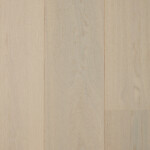
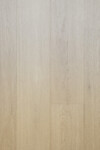
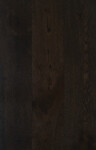
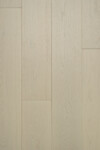
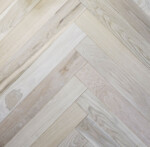

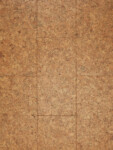
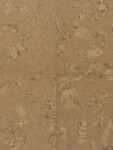
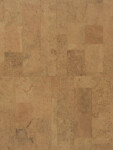
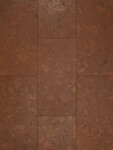
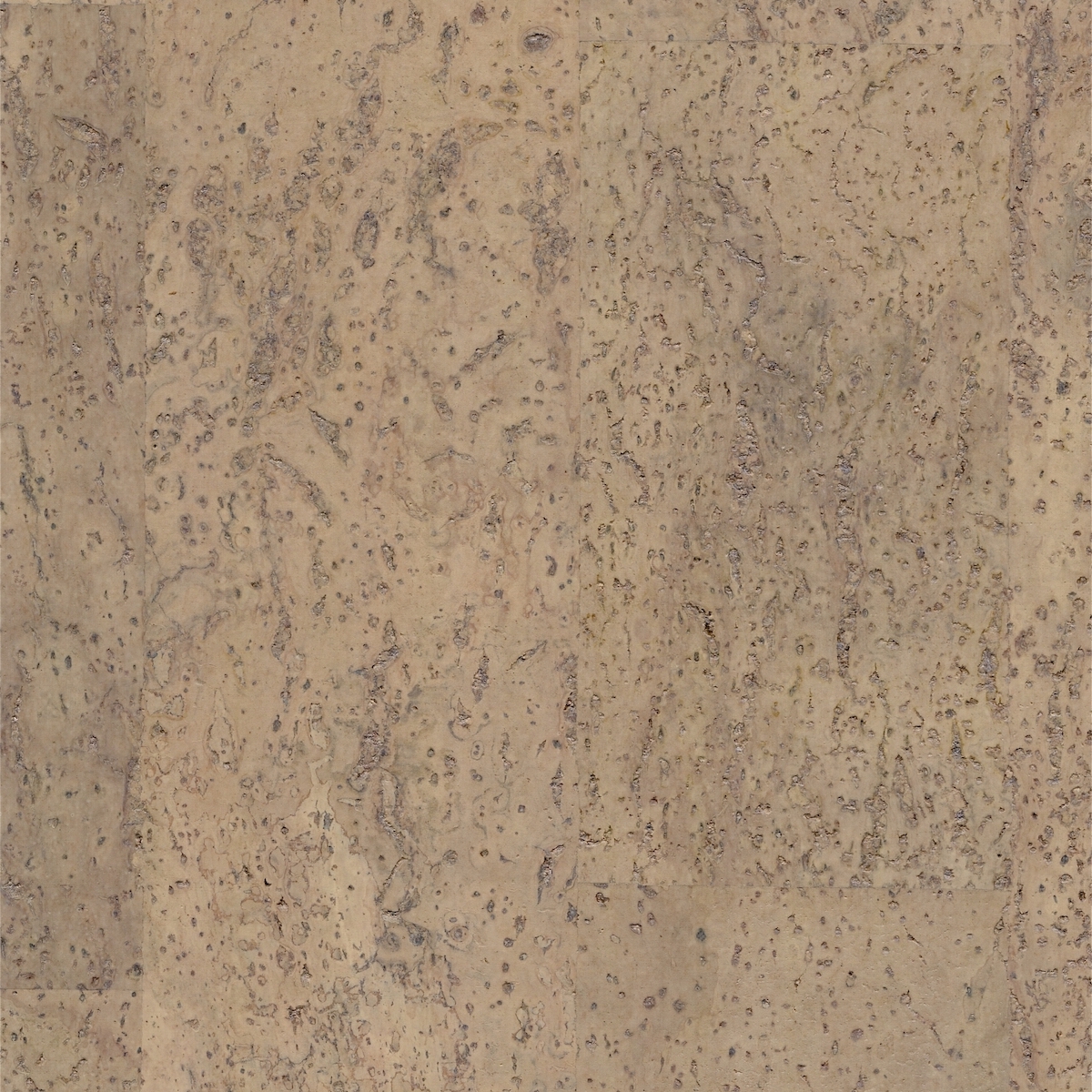
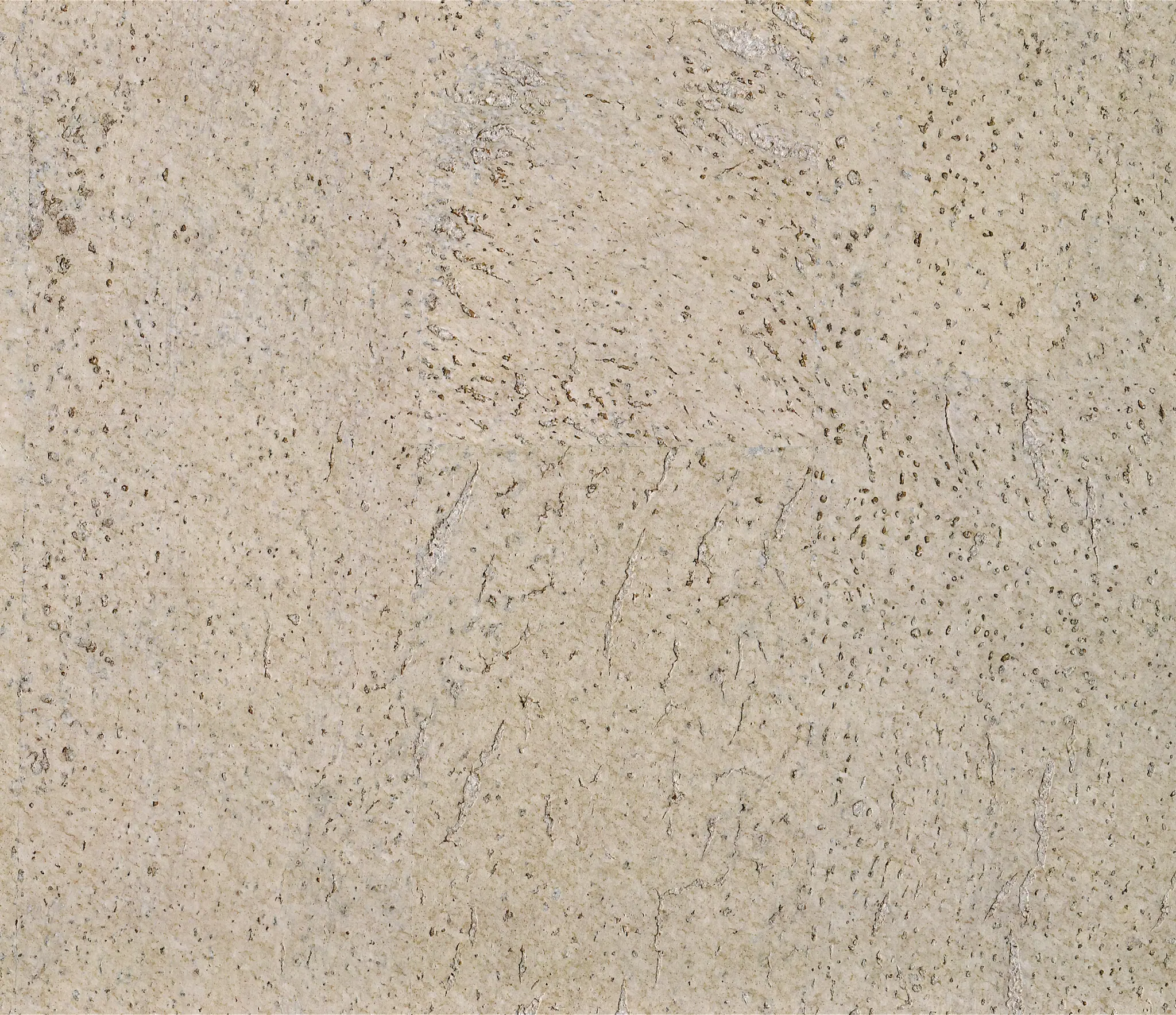

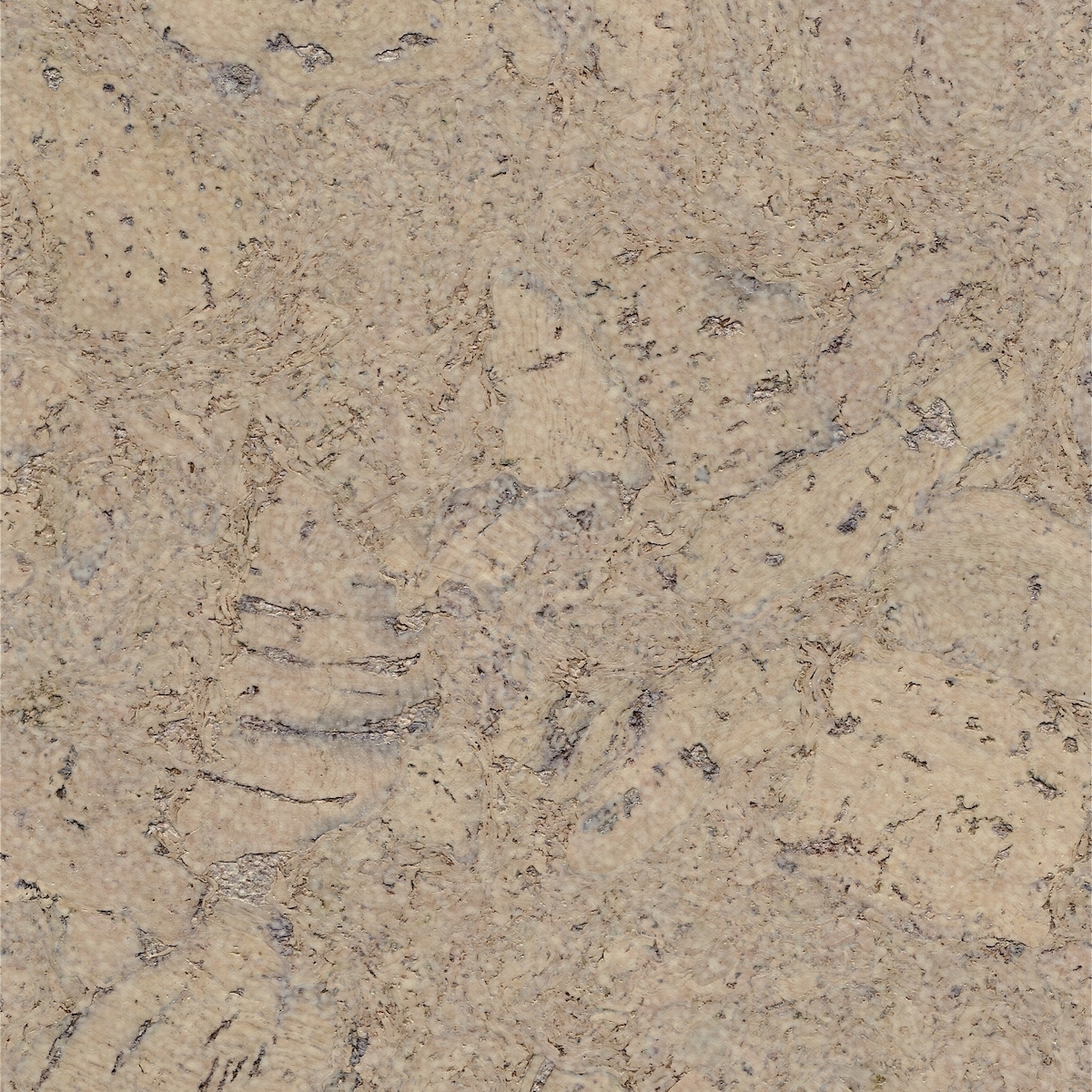


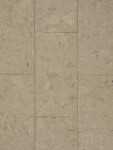


There’s a reason the world’s most beautiful interiors keep returning to the same two materials.
Natural stone and timber. One cool, one warm. One ancient and immovable, the other organic and alive. Alone each makes a statement. Together they create something greater, spaces that feel grounded, layered, and unmistakably considered.
This isn’t a trend. Architects and designers have paired stone and wood for centuries because the combination simply works. It works visually, texturally, and emotionally. And in Australian homes where indoor-outdoor living blurs boundaries and natural light floods interiors, stone and timber create the perfect material dialogue.
Whether you’re planning a kitchen with a marble island and warm oak floors, a bathroom where travertine meets timber vanities, or an open-plan living space that flows seamlessly to a bluestone terrace, this guide covers everything you need to know about combining natural stone and timber in modern interiors.
What You'll Learn:
- Why stone and timber complement each other so naturally
- How to match undertones, finishes, and formats for cohesion
- Specific pairings that work (and why)
- How to transition between stone and timber flooring seamlessly
- Room-by-room inspiration for Australian homes
Why natural stone and timber work so well together
Some material combinations require effort. Stone and timber aren’t one of them.
Both are born from nature. Both carry the marks of time, grain patterns, veining, subtle colour variations that no factory can replicate. This shared authenticity creates an immediate visual kinship, even when the materials differ dramatically in colour or texture.
But the magic lies in their contrast.
Stone is cool, solid, and permanent. It anchors a space. Timber is warm, tactile, and inviting. It softens. When you pair a honed limestone floor with rich oak joinery, or lay our Organique boards against a marble feature wall, you’re creating tension that resolves into balance.
There’s science behind why this feels so good. Research shows that exposure to natural wood lowers blood pressure and reduces stress, effects similar to spending time in nature. Stone contributes its own calming weight, a sense of permanence that quiets a room. Together, they satisfy something primal: our need to feel connected to the natural world, even inside our homes.
This is biophilic design in its purest form. Not plants on shelves or nature photography on walls, but the actual materials of the earth brought indoors.
Understanding undertones
Before choosing specific stones or timbers, you need to understand undertones. This single principle determines whether your material combination feels cohesive or chaotic.
Every natural material carries an undertone, a subtle colour beneath the surface that influences how it reads in a space.
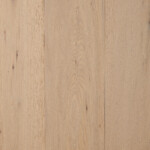
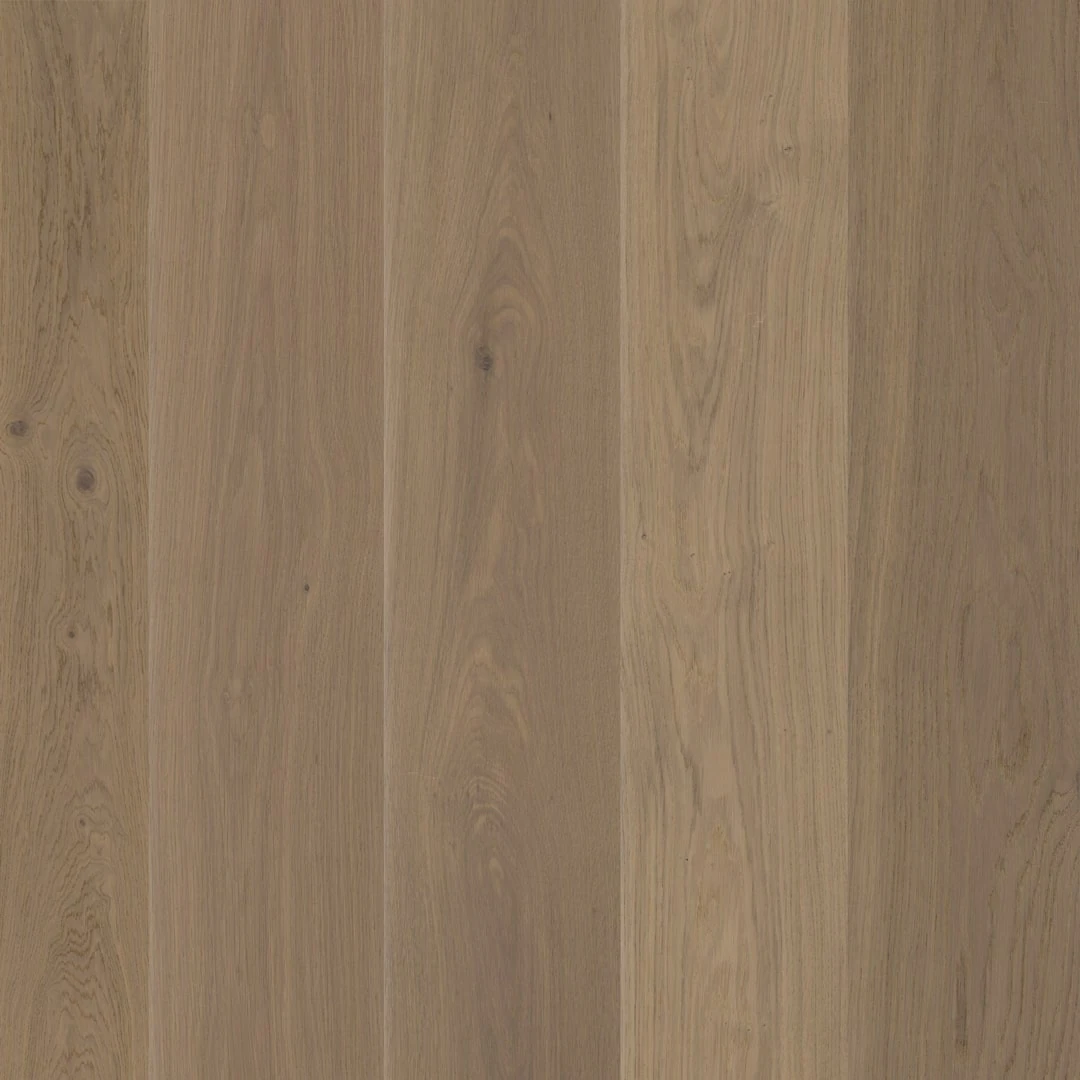
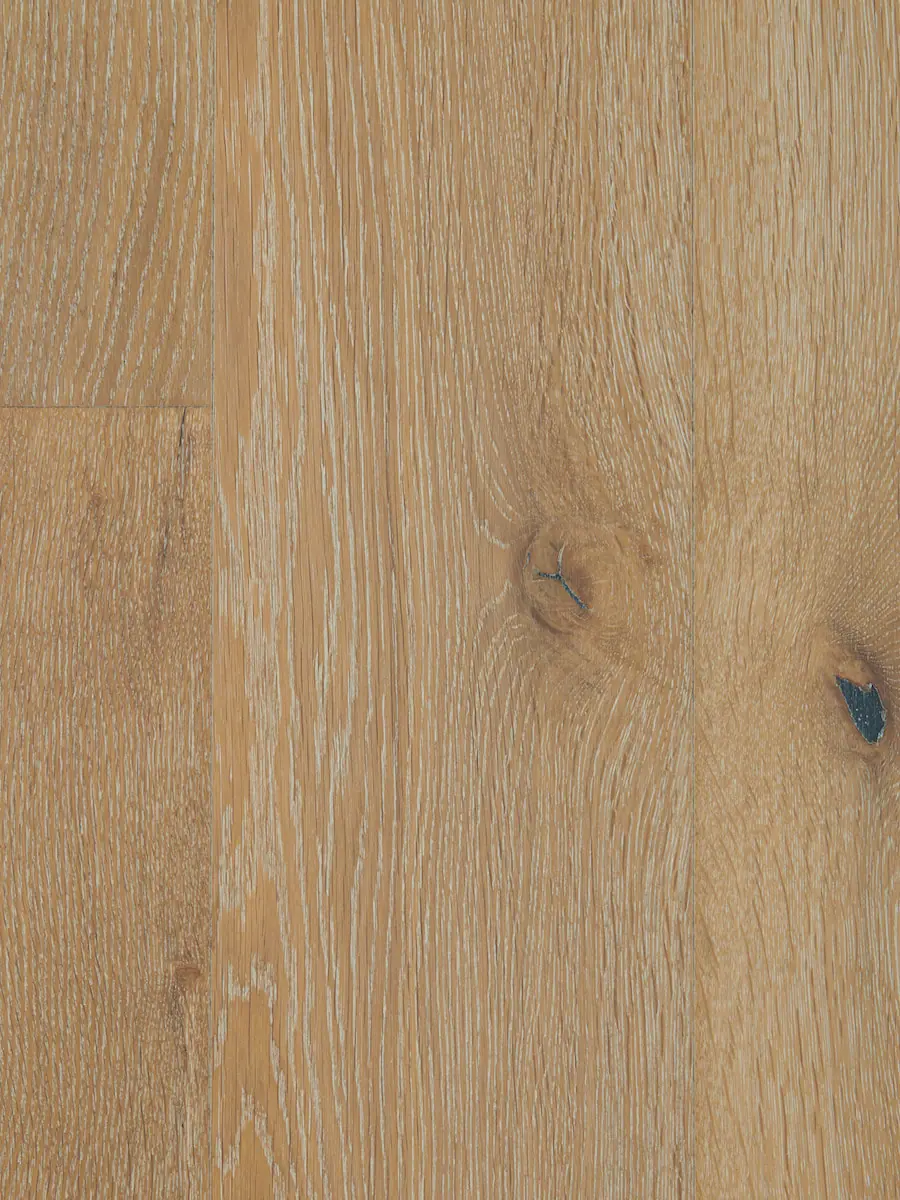
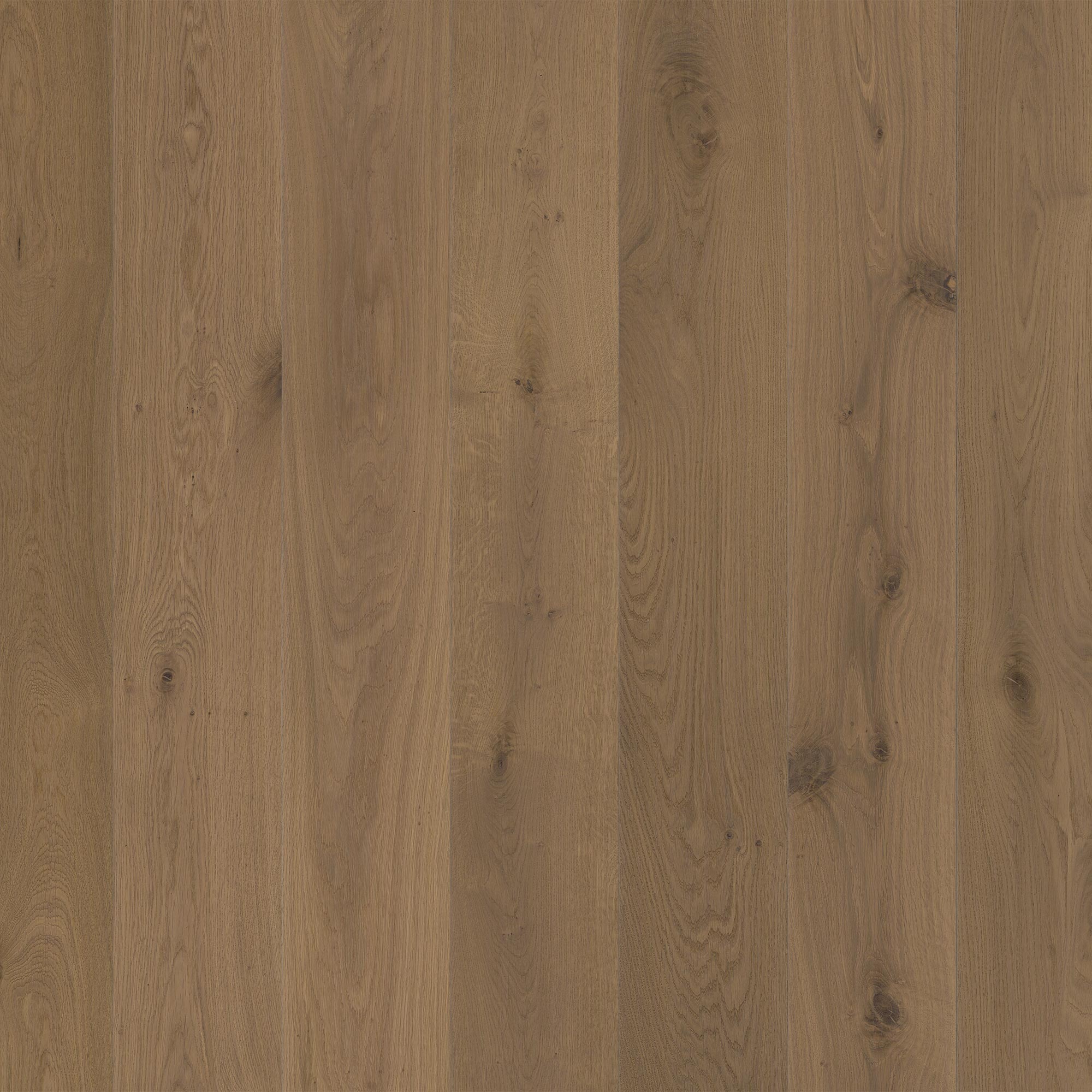
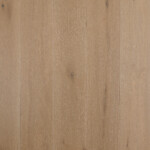
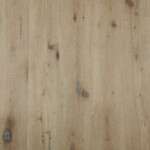
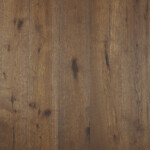
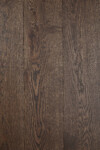
- Warm undertones lean toward blush, amber, golden or buttery. Think honey oak, travertine or sandstone, paired with our Beach House or Cantina.
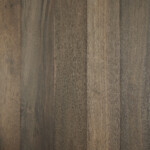
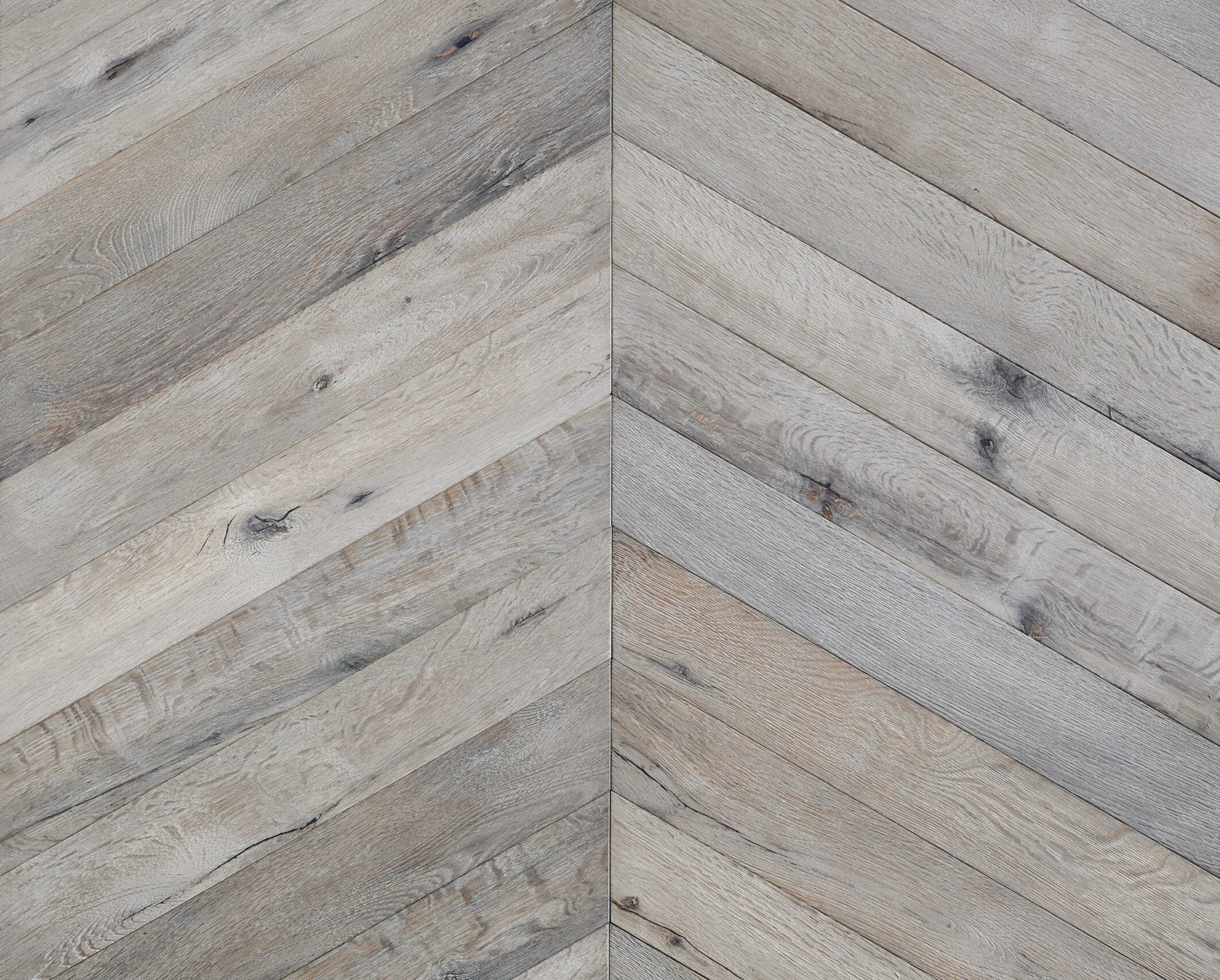
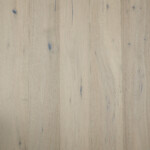
- Cool undertones lean toward ash, blue, and sage. Think Carrara marble, slate or bluestone, paired with our Nordic Blonde or Storm white- washed oak. .
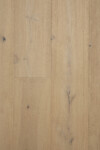
- Neutral undertones sit in the middle, balanced beiges and taupes that bridge warm and cool. Limestone often falls here, as does a natural European oak look, such as our Calypso and Alta. .
The rule is simple: keep your stone and timber within the same undertone family, or create enough contrast that the difference becomes intentional.
A warm honey oak floor paired with cool grey slate creates tension; not necessarily bad tension, but tension you need to resolve through other elements in the room. The same honey oak paired with warm-toned travertine creates immediate harmony.
Neither approach is wrong. But the worst outcome is two materials that almost match but don’t quite. That reads as a mistake.

Pairings that work
Let’s get specific. These combinations have been refined by architects and interior designers across thousands of projects. They work because the undertones align, the textures complement, and the overall effect feels inevitable rather than forced.
Light oak + Limestone
The Scandinavian-coastal classic. Pale European oak flooring paired with honed limestone creates airy, light-filled spaces that feel calm without being cold. The shared neutral-to-warm undertones ensure cohesion, while the contrast between timber grain and stone uniformity adds visual interest.
Best for: Open-plan living areas, bathroom floors, indoor-outdoor transitions to alfresco spaces.
Warm honey oak + travertine
Mediterranean warmth meets Australian sun. Travertine’s golden tones and distinctive texture pair beautifully with honey-toned or mid-toned oak. Both materials share buttery-gold undertones, creating a space that glows in natural light.
Best for: Bathrooms, pool surrounds, living rooms with fireplace features, spa-inspired en-suites.
Smoked oak + slate
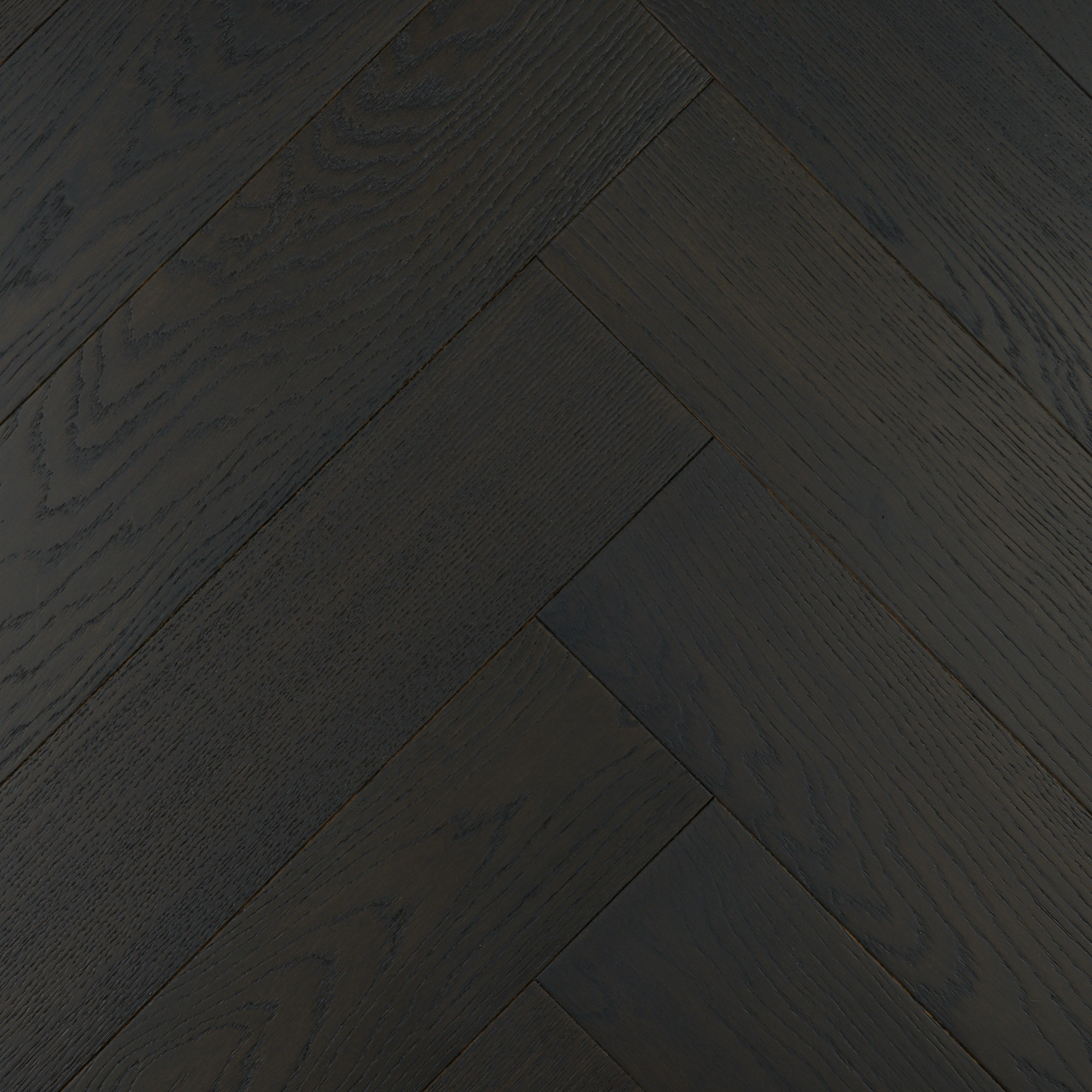
Drama without pretension. Fumed or smoked oak, with its deep grey-brown tones, finds its perfect partner in charcoal slate. Both materials are sophisticated and moody, suited to contemporary homes that favour depth over brightness.
Best for: Entryways, living rooms with stone feature walls, studies, and wine cellars.
Dark walnut + marble
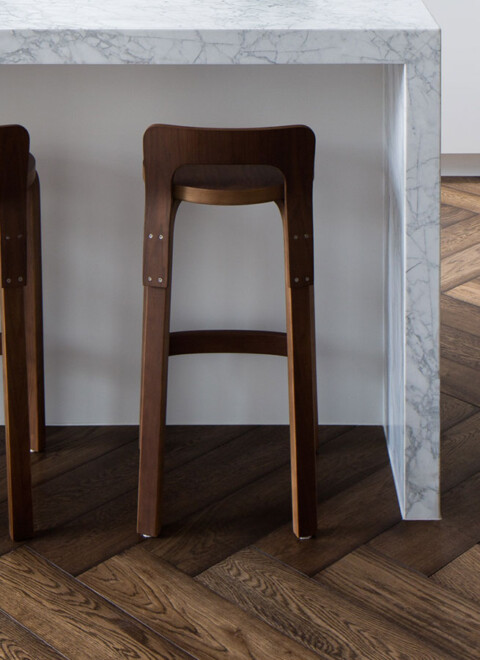
High contrast, high impact. When marble is the hero, a Calacatta kitchen island, a statement bathroom, dark walnut or espresso-toned timber provides the grounding warmth that prevents the space from feeling clinical. The timber becomes a supporting actor, letting the stone shine.
Best for: Kitchens with stone benchtops, powder rooms, and formal living areas.
European oak + terrazzo
Playful meets refined. Terrazzo’s speckled character needs a calm partner, and natural European oak delivers exactly that. The timber’s subtle grain doesn’t compete with terrazzo’s busy pattern, creating balance between statement and restraint.
Best for: Laundries, mudrooms, commercial hospitality spaces, retro-modern renovations.
Where stone and timber shine together
The Kitchen
The kitchen is where stone and timber most often meet — and where getting the balance right matters most.
Stone benchtops have experienced renewed interest since Australia’s 2024 ban on engineered stone, with natural marble, granite, and quartzite reclaiming their place in premium kitchens. These materials demand significant visual real estate. Without warm timber flooring beneath them, kitchens risk feeling cold and utilitarian. Engineered timber flooring performs exceptionally in kitchens, offering the warmth of natural hardwood with superior dimensional stability.
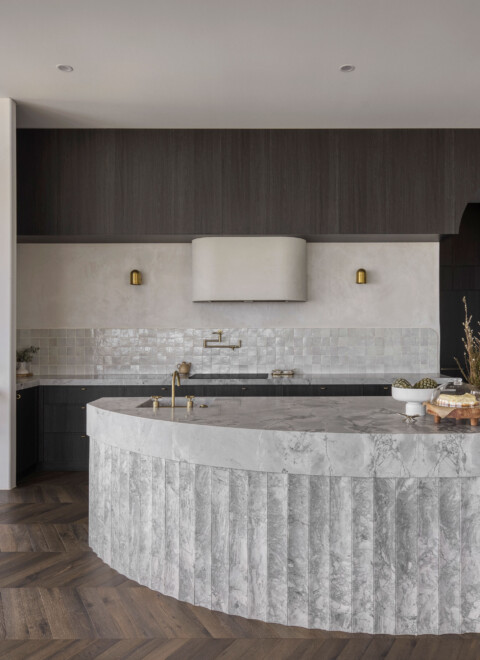
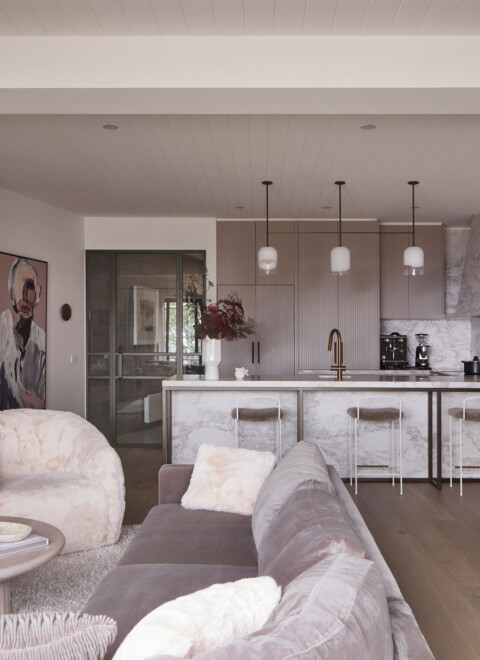
The waterfall edge — where stone continues down the side of an island to the floor, has become a signature luxury detail. It works best when the floor provides contrast: warm oak against cool Carrara, or rich walnut against pale limestone.
Timber cabinetry offers another opportunity. A run of oak or walnut cabinets against a stone splashback softens the kitchen’s hard surfaces and creates that essential warm-cool balance.
Living spaces
Open-plan living presents the greatest opportunity, and challenge, for stone and timber combinations.
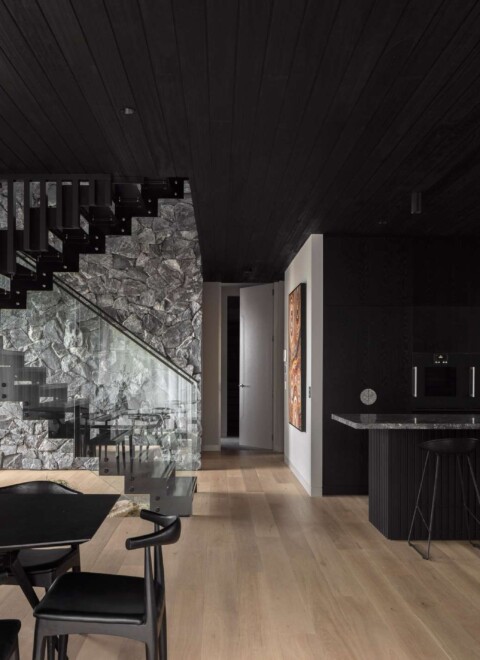
A stone feature wall (stacked slate, limestone panels, or a floor-to-ceiling marble slab) creates a natural focal point. Timber flooring grounds the space, preventing the stone from overwhelming. The key is proportion: too much stone, and the room feels heavy; too little, and the feature loses impact.
Fireplaces offer a natural meeting point. A bluestone or granite hearth surrounded by warm timber flooring creates the archetypal gathering space, fire, stone, and wood in primal combination.
Indoor-outdoor transitions
Australian living demands a seamless flow between inside and out. This is where natural stone and timber truly earn their place.
Bluestone pavers on the terrace, transitioning to timber flooring inside. Sandstone around the pool, meeting engineered oak at the threshold. These material shifts should feel inevitable, not jarring.
The secret is consistent undertones across the transition. If your outdoor bluestone has cool grey tones, your indoor timber should lean towards white oak or grey-washed finishes rather than warm honey. If you’re working with golden sandstone, warm-toned timber continues the palette inside.
How to transition between stone and timber flooring
Where two flooring materials meet, you have a choice: hide the join, bridge it, or celebrate it.
The seamless approach
For the cleanest result, both materials meet at exactly the same height with no visible hardware, just a slim 3-5mm gap filled with colour-matched caulking, a flexible sealant.
This requires planning. The subfloor depths beneath stone and timber differ, so achieving a flush finish means adjusting mortar bed thickness, using cement backer boards of varying depths, or building up the timber subfloor. It’s best planned during construction or major renovation, not retrofitted.
The caulking matters. Timber expands and contracts with humidity changes; stone doesn’t. Rigid grout between them will crack. Silicone-based flexible caulk in a matching colour allows movement while maintaining a clean line.
Aluminium trims
When flush isn’t possible, or when you want to make a feature of the transition, aluminium trims offer elegant solutions.
Brass has made a strong comeback. A slim brass strip between pale oak and white marble reads as intentional luxury, adding warmth that complements both materials. Polished brass suits traditional and Art Deco interiors; brushed or satin finishes work for contemporary spaces.
Matte black creates bold definition, particularly effective between light timber and light stone. The graphic line shifts from purely functional to intentionally architectural.
Stainless steel offers durability for high-traffic areas and wet zones, with a cooler aesthetic suited to most minimalist interiors.
Timber borders
For a bespoke touch, a contrasting timber border can frame a stone area before meeting the main floor. This technique works beautifully around stone hearths, in entryways where stone meets hallway timber, or defining a stone-floored kitchen within an open-plan timber floor.
The border becomes a deliberate design element, a frame that greatly elevates both materials.
Stone thresholds
At doorways between timber and wet-area stone (bathroom entries, laundry thresholds), a stone saddle provides both a visual transition and a practical water barrier. Crema Marfil marble offers warm tones compatible with most timber; slate works for moodier schemes.
Standard bevelled edges suit most applications. For accessibility compliance under AS 1428.1, Hollywood bevels (wider, gentler slopes) ensure step-free transitions — increasingly important as Australian building standards evolve toward universal design.
The 60-30-10 rule
Interior designers often apply a ratio to material balance. In a stone-timber space, this might translate to: 60% timber flooring (the grounding base), 30% stone features (benchtops, splashbacks, feature walls), 10% accent materials (metals, textiles, greenery).
The timber typically dominates square footage because it’s warmer and more liveable underfoot. Stone provides punctuation, moments of visual weight and interest.
Finish consistency
Matte finishes dominate current trends for both stone and timber. The rise of warm minimalism — softer, earthier spaces replacing stark white interiors — has pushed honed marble, brushed limestone, and satin-finished oak to the forefront. If your stone is polished, consider whether high-sheen timber flooring will create too much reflective competition.
Scale relationships
Wide timber boards (190mm+) pair better with large-format stone tiles or slabs. Narrow boards can feel busy alongside dramatic veined marble. Herringbone timber flooring adds a pattern that may compete with heavily figured stone or complement a plain limestone beautifully.
Consider what you want to be the hero. If the marble is the statement, keep the timber simple. If the timber’s the star, our beautifully crafted French Chateau in herringbone, let the stone play a supporting role.
Australian climate considerations
Natural materials behave differently across Australia’s diverse climate zones.
Timber movement
Timber expands in humid conditions and contracts in dry ones. According to the Australasian Timber Flooring Association, a board that fits perfectly in Melbourne winter may show gaps in summer, or the reverse. Engineered timber flooring manages this movement better than solid timber, with its cross-layered construction resisting expansion across the grain.
For transitions between stone and timber, this movement matters. The gap between materials must accommodate seasonal change without becoming a visible chasm or closing so tight it causes buckling. Flexible sealants are essential; rigid fillers will fail.
Stone's thermal benefits
Natural stone stays cool underfoot, a genuine advantage in Australian summers. In living areas with northern sun exposure, stone near windows can moderate heat gain. A stone on a concrete slab with underfloor heating provides radiant warmth in winter while maintaining its cooling properties in summer.
Indoor-outdoor continuity
The Australian expectation of seamless indoor-outdoor living means materials must work across thresholds. Stone performs well in both environments; timber requires protection from direct weather. Covered alfresco areas can accommodate hardwood decking that visually connects to interior timber floors, while exposed terraces typically require stone, tile, or composite materials.
Planning these transitions early, ideally during design rather than construction, ensures heights align and material palettes flow naturally.
Bringing It All Together
Natural stone and timber represent the most enduring material pairing in interior design. They work because they’re both authentic, both imperfect, and both carry the weight of the natural world into our homes.
The difference between a successful combination and a missed opportunity comes down to intention. Match your undertones. Plan your transitions. Commit to your choices with confidence.
At Kustom Timber, we’ve spent over a decade helping homeowners and designers navigate exactly these decisions. Our Melbourne showroom displays full-sized timber samples alongside common stone pairings, so you can see how materials interact under real lighting conditions.
Whether you’re planning a renovation that combines existing stone with new timber flooring, or designing from scratch with both materials in mind, we can help you find the perfect balance.
Ready to explore?
Visit our Melbourne showroom to see our full range of engineered timber flooring, and discover how beautifully it works with natural stone.
Frequently asked questions
What natural stone works best with timber flooring?
Limestone and travertine offer the most versatile partnerships, with neutral-to-warm undertones that complement most timber species. For cooler timber tones (white oak, grey-washed finishes), marble and slate create sophisticated pairings. Match undertones, warm stone with warm timber, cool with cool, for cohesive results.
How do you transition between stone and timber floors without a strip?
Seamless transitions require both materials at exactly the same height. If separated by a 3-5mm gap this can be filled with an aluminium trim. This must be planned during construction, as achieving flush heights requires subfloor adjustments. Professional installation is essential for lasting results.
Does timber flooring work in bathrooms with stone features?
Our Engineered European oak is water-resistant, but not waterproof. It handles kitchens, laundries, mud rooms & high traffic areas due to its dimensional stability. Our products are not recommended for installation in bathrooms. Professional moisture barriers and appropriate sealing are essential with our installs, in all areas.
What’s the best timber flooring for Australian conditions?
Engineered timber flooring outperforms solid timber in Australia’s variable climate, offering superior stability through humidity fluctuations. European oak remains the most popular choice for its versatility with stone pairings.
Can different flooring materials affect home resale value?
Quality natural materials, both stone and timber, consistently rank among the highest-ROI home improvements. Well-executed transitions between materials signal craftsmanship and attention to detail. The key is ensuring combinations look intentional rather than accidental, with professionally installed transitions that will last.
Related Articles
View all articles
Timber Flooring Spotlight: Bordeaux Oak
