





This article covers cladding. For more info on on the service visit Timber Cladding.
The quick version:
- Steel cladding delivers a sharp, industrial aesthetic and holds up well in high-traffic interiors.
- Timber brings warmth, natural texture, and design versatility that steel simply can’t match.
- For residential feature walls, commercial fitouts, and design-led interiors, timber is the more considered—and more liveable—choice.
Picture two interiors side by side. One with steel-clad walls: cool, angular, light bouncing hard off the surface. The other with timber: grain catching the afternoon light, tones shifting from honey to amber, the room feeling like it was intentionally designed rather than hastily assembled. They start with the same brief, but the result is a completely different conversation.
Interior cladding is one of those decisions that defines how a space feels to live or work in. Steel and timber both show up on mood boards and in spec sheets, but they perform very differently once the build is done. Here’s an honest comparison across the factors that count when it comes to steel vs timber cladding.
What Each Material Actually Is
Steel cladding for interiors typically refers to profiled or flat metal panels—powder-coated, brushed, or raw—used on feature walls, joinery surrounds, and commercial wall linings. It suits industrial, warehouse-style, and contemporary minimalist aesthetics where a hard, uncompromising finish is part of the brief.
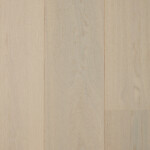
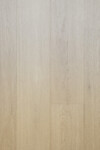
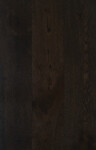
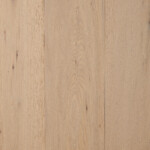
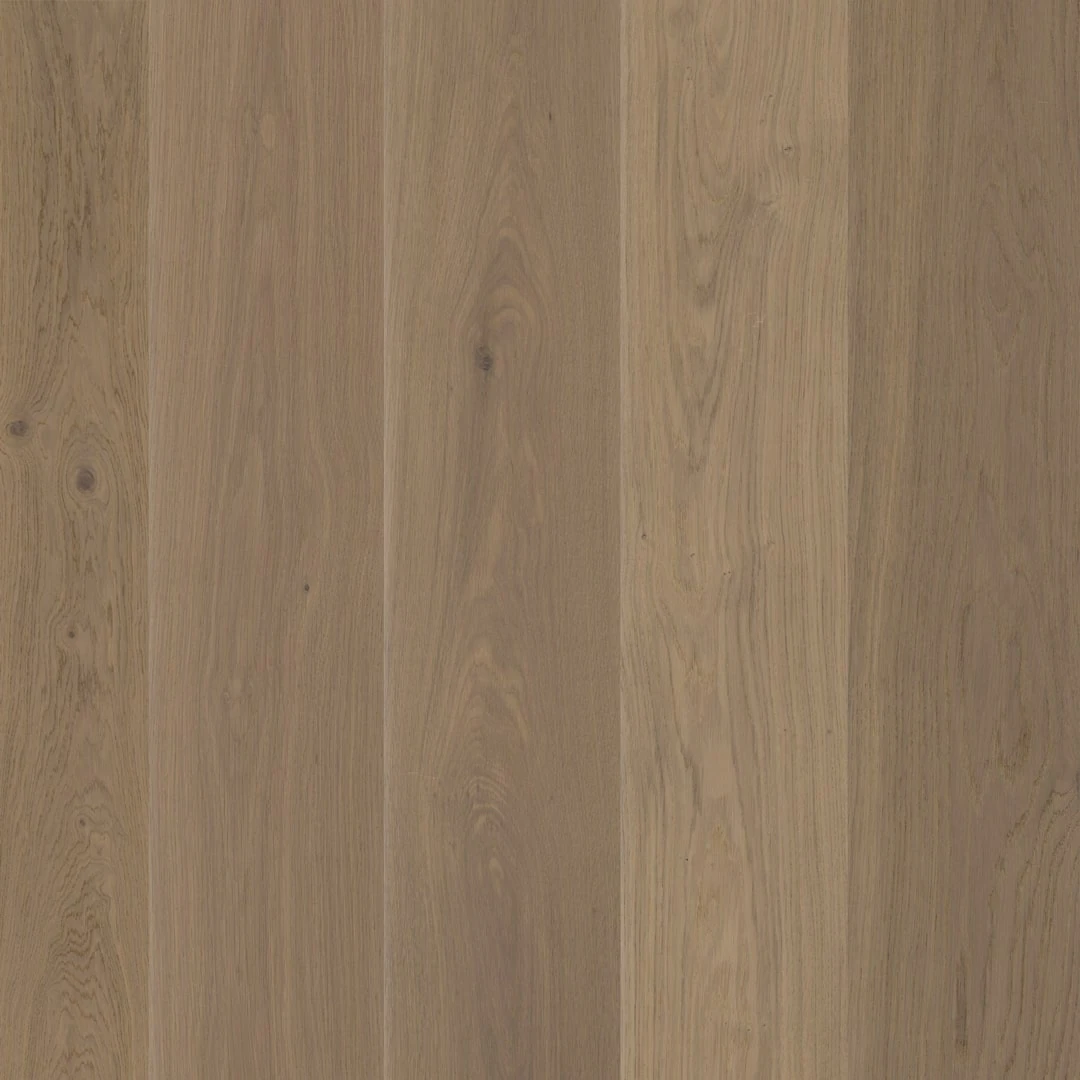
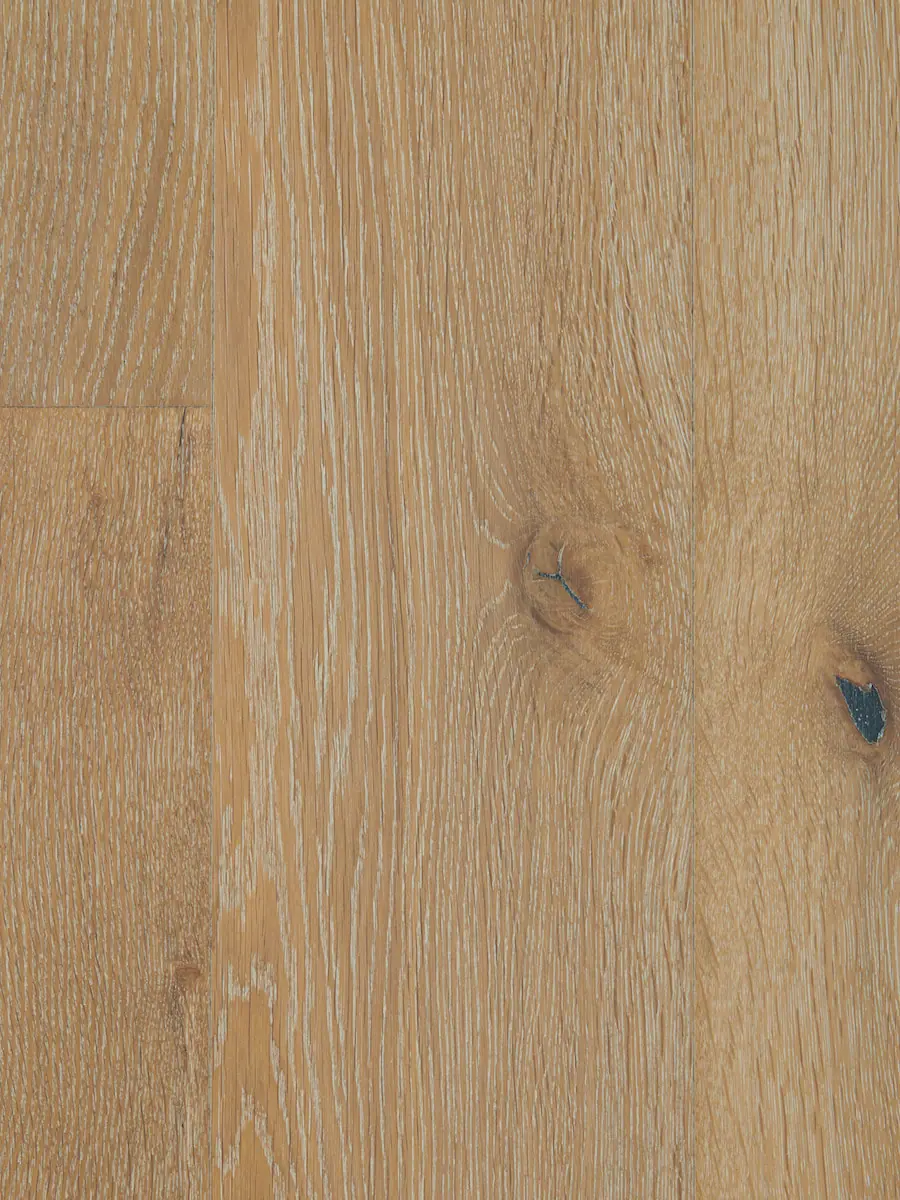
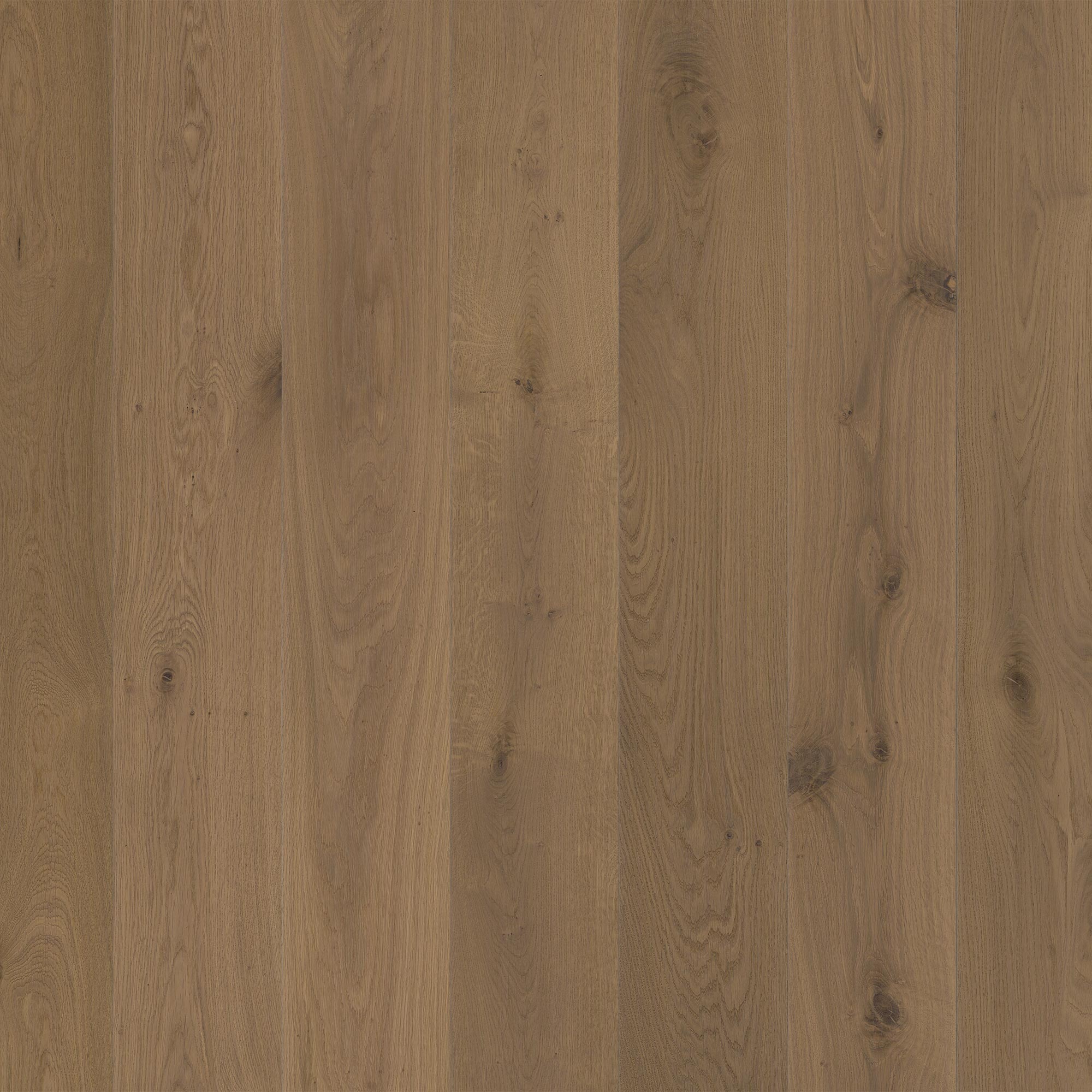
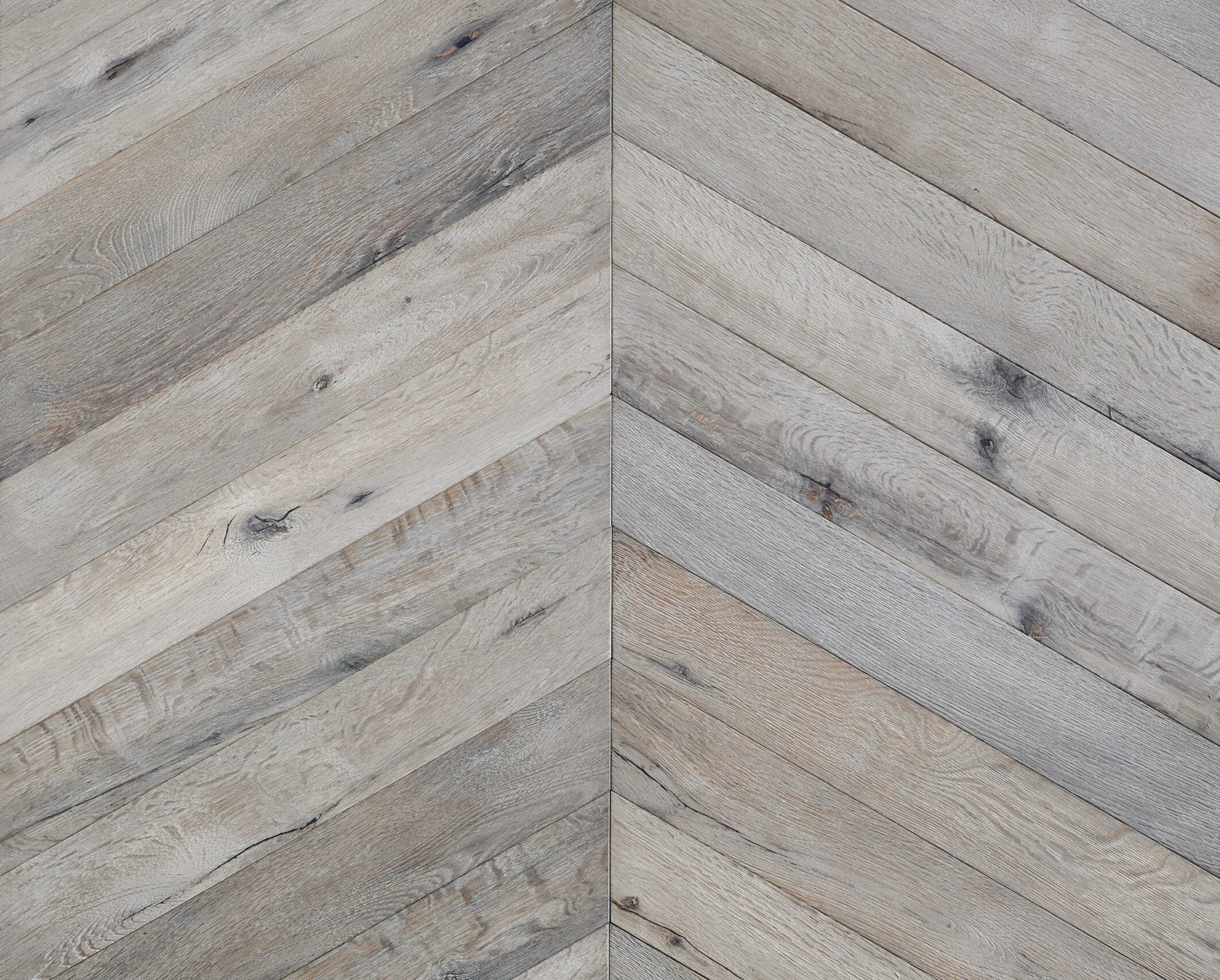
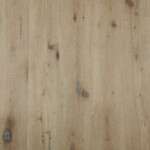
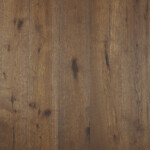
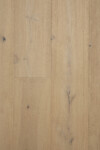
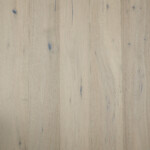
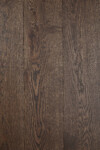
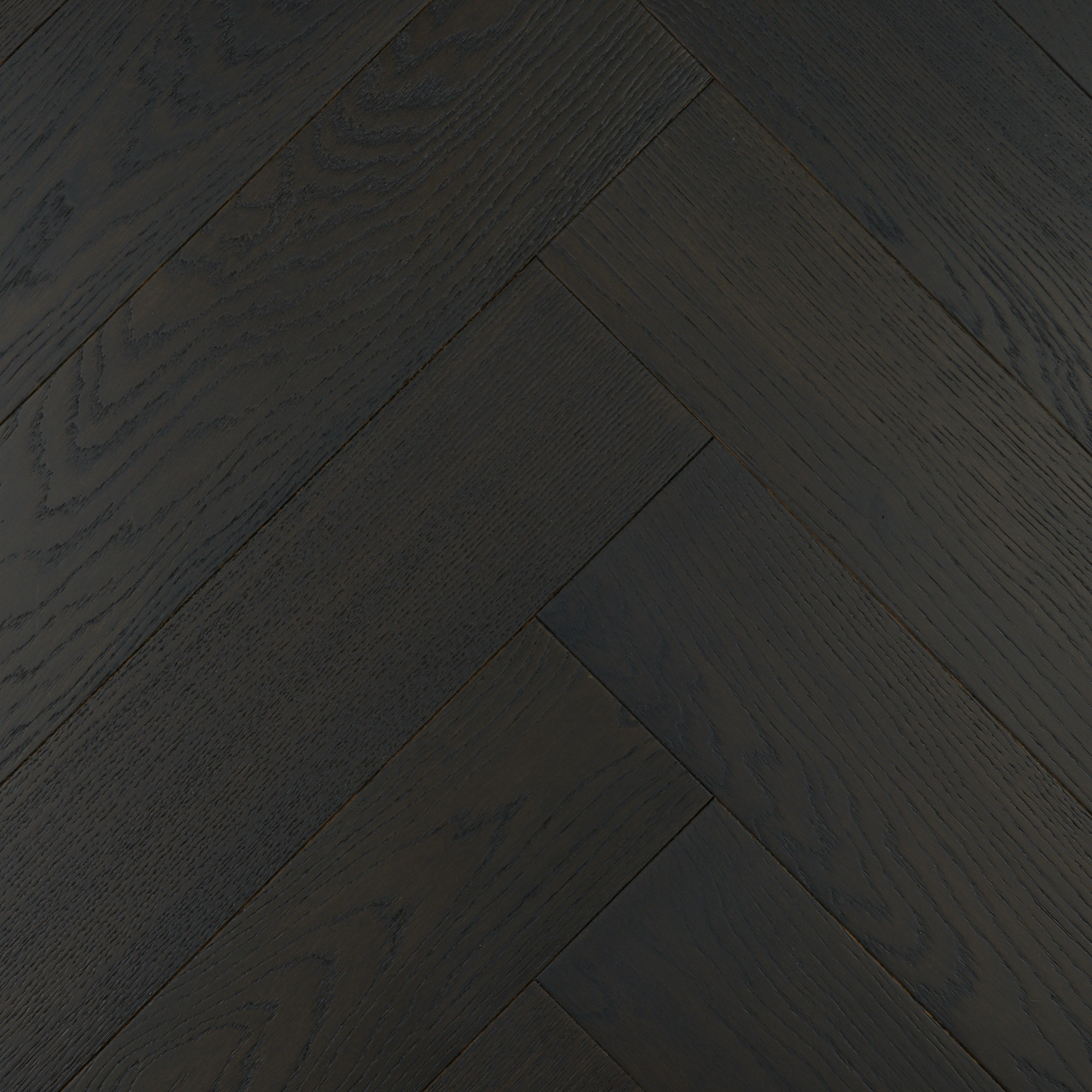
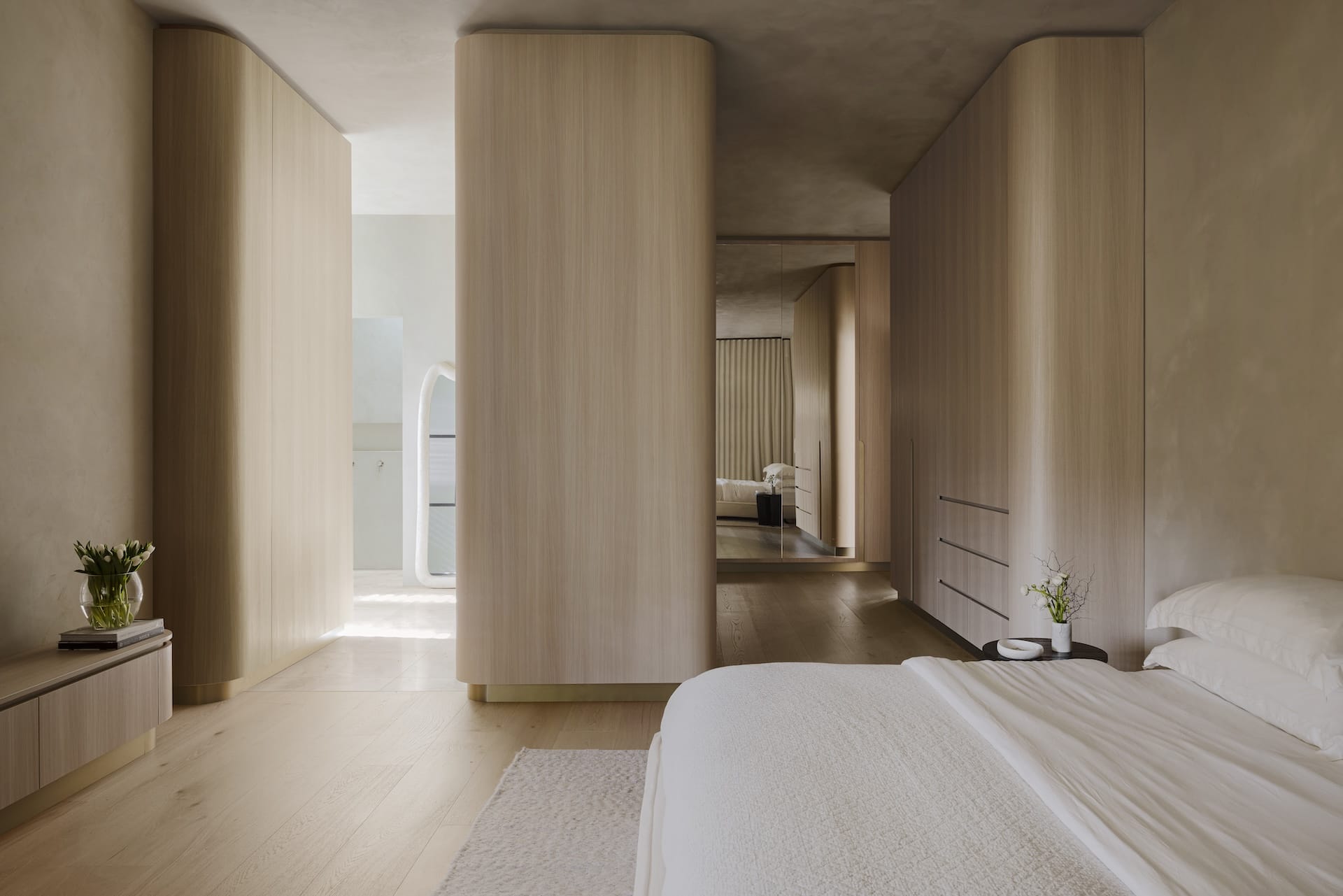
Conversely, timber cladding covers natural or engineered wood panels installed across interior wall and ceiling surfaces. Species, profile, and finish vary widely, from raw hardwood to precision-milled European oak, and that variety is a large part of what makes timber so design-flexible. It’s a material that adapts across styles rather than locking you into one.
Aesthetics: Warmth vs Edge
The material you choose for your interior cladding sets the emotional tone of the entire room. And when it comes to aesthetics, steel and timber aren’t just different; they’re speaking entirely different design languages.
Steel: Sharp and Specific
Steel reads sharp and contemporary. In the right interior—an industrial café, a raw warehouse conversion, a deliberately minimal residential space—it can look intentional and considered. That said, it’s a specific aesthetic call, and it narrows the design conversation considerably.
Timber: Warm and Versatile
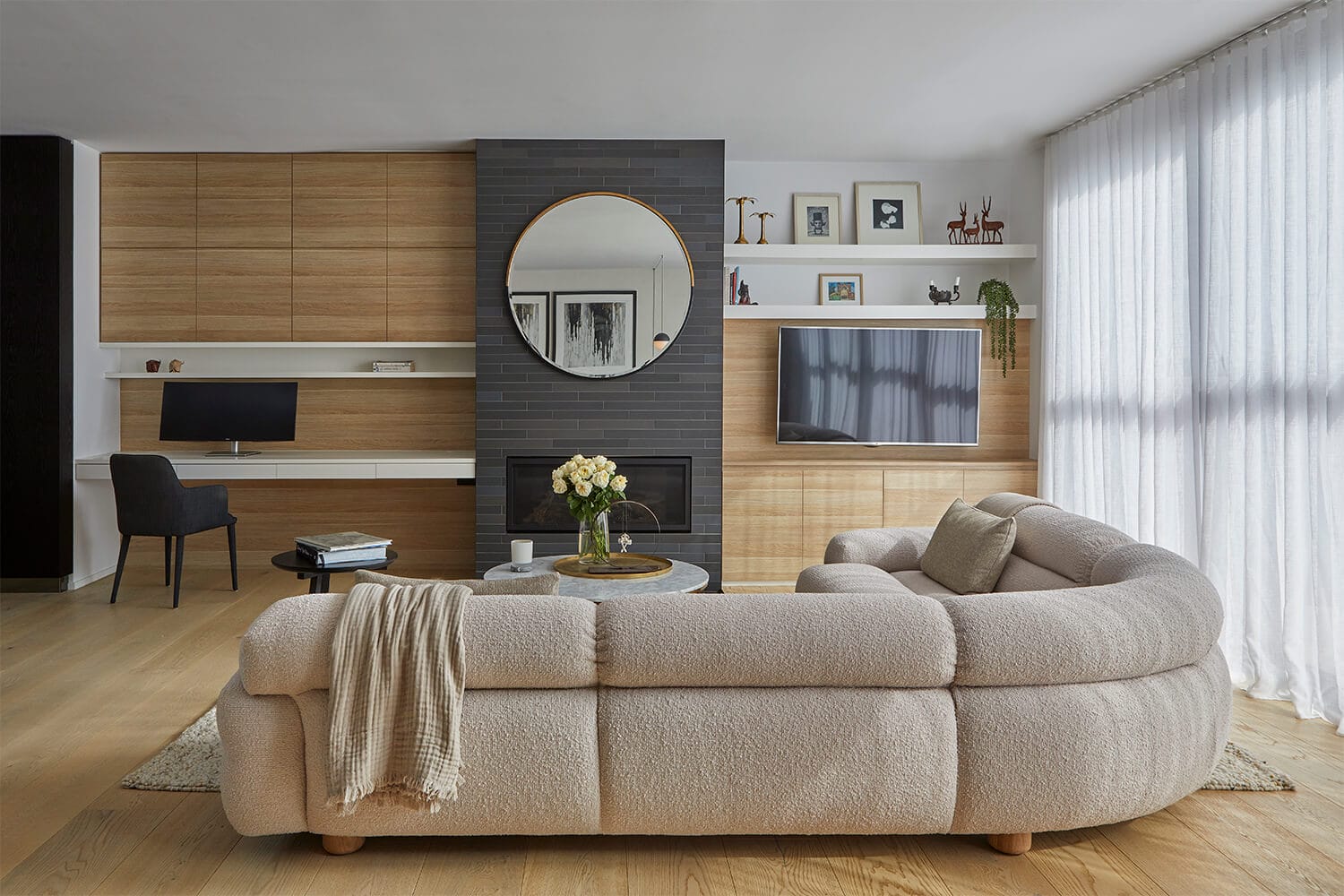
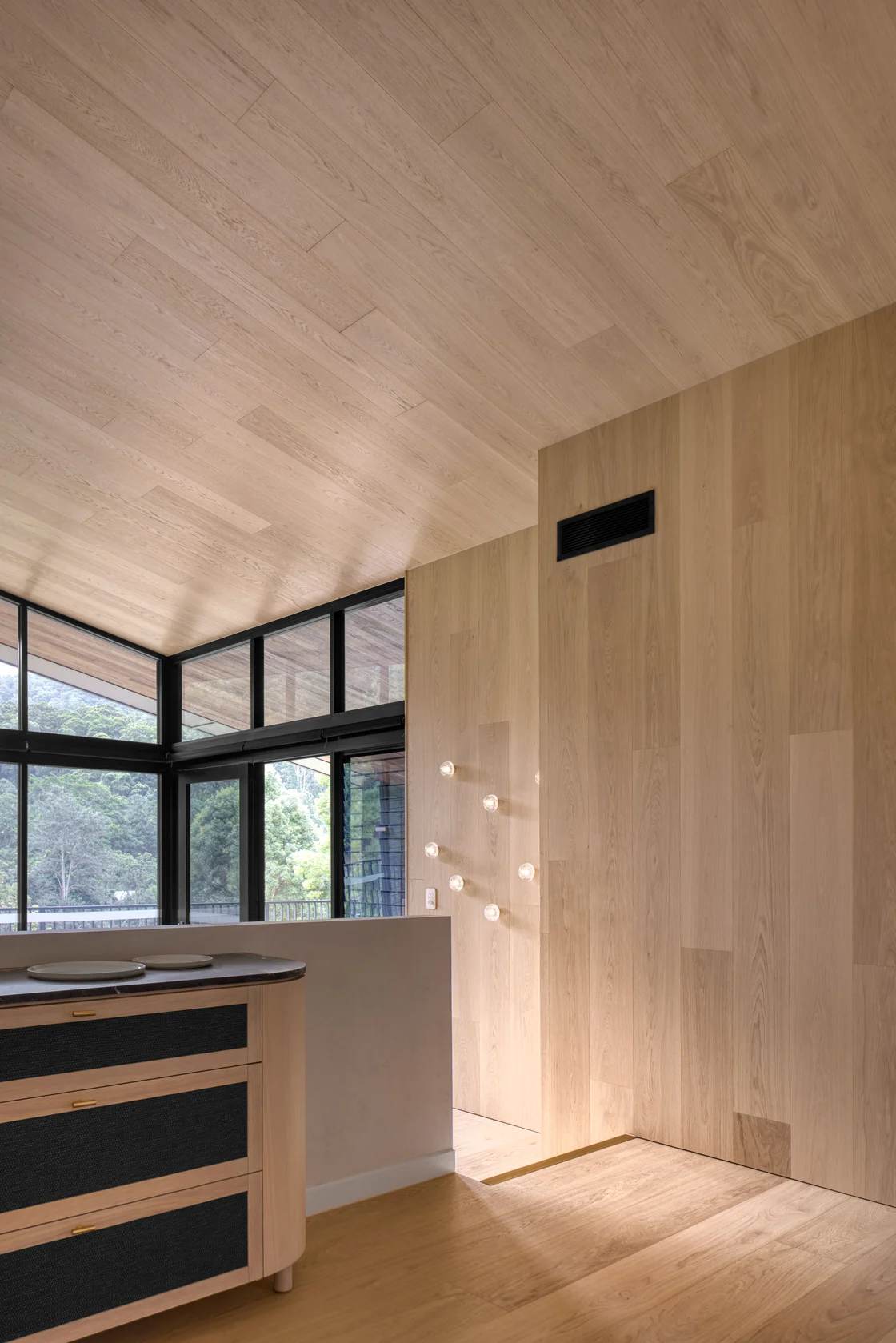
Timber reads differently. It brings natural grain, tonal variation, and an organic quality that no steel panel replicates. Homeowners and designers consistently describe wanting interiors that feel ‘warm but designed’, and timber delivers just that. The visual texture shifts with light throughout the day. It works with Japandi, Coastal, Industrial, Hamptons, and contemporary styles without looking forced. It ages into a living space rather than fighting it.
For most residential interiors and design-forward commercial spaces, timber’s aesthetic range is wider, more forgiving, and more enduring.
Durability and Performance in Australian Interiors
Both steel and timber cladding perform well in interior applications, but each offers different characteristics worth understanding.
Steel is highly durable. It won’t warp, swell, or react to humidity, and it handles impact well, which is an advantage in high-traffic commercial settings. The trade-off is that scratches and dents in steel panels are difficult to repair invisibly, and the surface finish can feel cold and hard underfoot and to the touch.
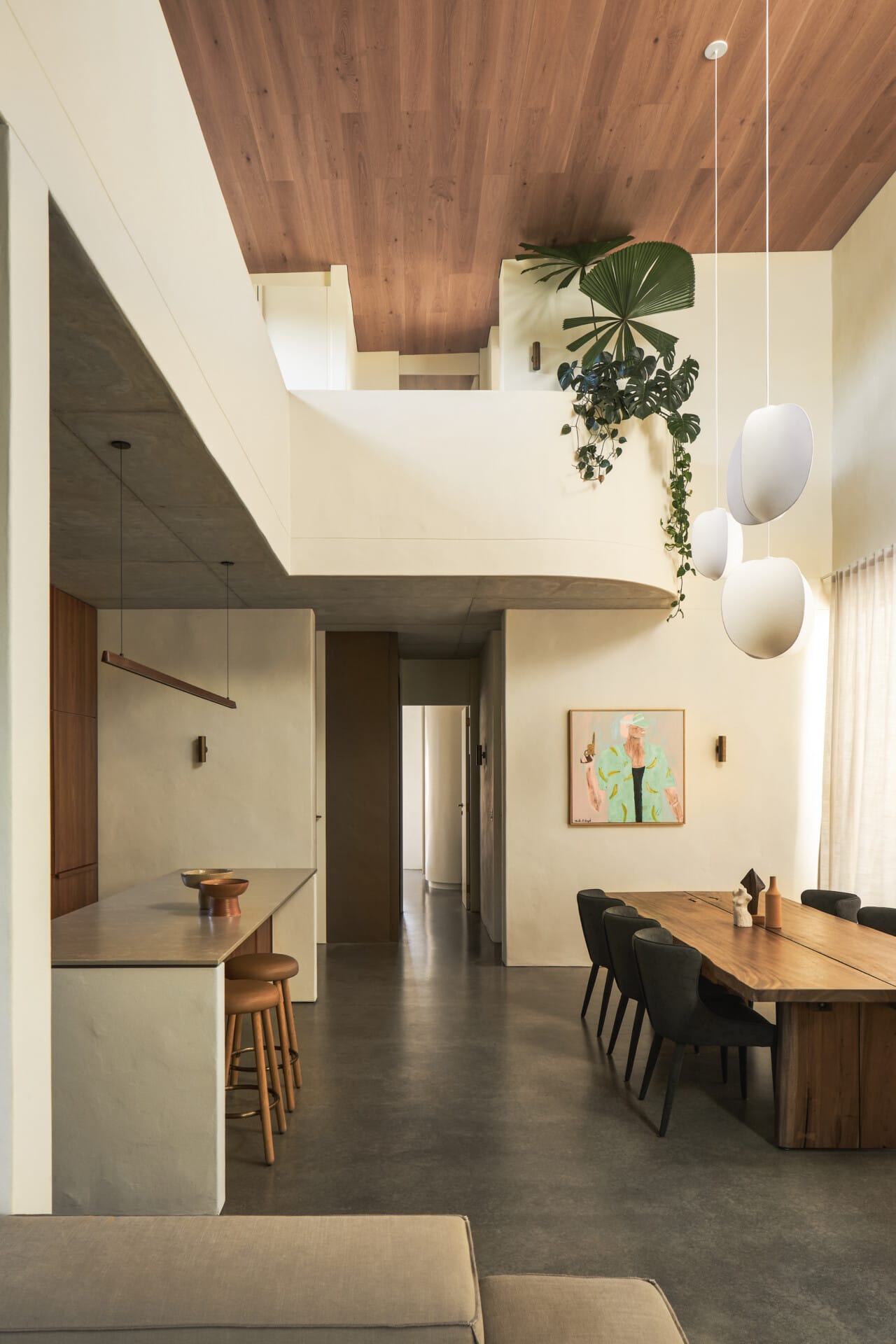
Timber, when correctly specified and finished, is durable and stable in interior conditions. Engineered timber products in particular are designed to handle the humidity fluctuations common in Australian homes. Surface damage, such as scratches, dents, and worn finish, can typically be sanded back and refinished without replacing the board, which is a meaningful advantage over the long term.
Maintenance and Upkeep
Steel interior cladding is low maintenance. Periodic cleaning is generally all it needs, though scratches and surface damage can be difficult to address without replacing a panel.
On the other hand, timber requires a little more attention, like periodic cleaning and occasional recoating or oiling depending on the finish. However, individual boards can be repaired or replaced without disrupting the surrounding installation. Kustom Timber’s maintenance and aftercare service supports clients through the full lifecycle of their timber, so ongoing upkeep doesn’t feel like a burden and the investment stays protected long after installation.
Sustainability
For clients and architects with sustainability objectives, timber is the stronger material story. When obtained from sustainably managed forests, it’s a genuinely renewable resource. It stores carbon absorbed during the tree’s growth for the life of the building, which is a meaningful benefit as embodied carbon becomes a standard part of design briefs. FSC and PEFC certification schemes provide credible sourcing assurance. Rest assured, Kustom Timber sources European oak from FSC-certified suppliers, and this commitment runs through everything we do.
Meanwhile, steel has significantly higher embodied energy in production. It is 100% recyclable at the end of its life, which is a genuine environmental plus, but manufacturing steel is energy-intensive. For projects where the sustainability narrative matters, timber makes the argument considerably easier.
Thermal and Acoustic Performance
Steel-clad walls don’t just look cold—they are cold. In interiors, this means steel-clad walls can feel noticeably cold to the touch in winter, a minor but real comfort consideration in residential spaces.
Timber is a natural insulator. Its cellular structure resists heat transfer, contributing to a more comfortable temperature in the room. It also absorbs sound rather than reflecting it, which makes a meaningful difference in open-plan homes, commercial fitouts, and any space where acoustic quality matters.
For interiors where comfort and quiet are part of the design plan, timber’s performance properties are a genuine advantage.
What Material Suits Your Project?
If you’re weighing up steel vs timber cladding for your next interior project, these rules of thumb will point you in the right direction.
Choose Timber If
The space needs warmth, the design style is residential or design-forward commercial, acoustic comfort matters, or you want a material that can be refinished rather than replaced as the years pass.
Choose Steel If
The brief specifically calls for an industrial or raw aesthetic, the space is high-traffic commercial, or you need a surface that requires almost no upkeep beyond cleaning.
Use Both If
You want contrast. Steel is ideal for structural or joinery elements, and timber for feature walls or ceiling linings to soften the space and bring warmth back into the room.
How Kustom Timber Approaches Interior Timber Cladding
Kustom Timber works across residential and light commercial projects, supplying and installing premium interior timber cladding in Melbourne and across Australia. Every project gets proper attention to species selection, finish, and installation detail, because exceptional cladding lives in those choices.
We don’t offer off-the-shelf solutions. We work with clients, architects, and builders to find the right material for the right space.
Ready to explore interior timber cladding for your next project? See what we’ve delivered across our portfolio, book a consultation to talk through your cladding brief, or visit our Cremorne or Mornington showroom to see the range in person.
Frequently Asked Questions
Is steel actually used for interior cladding?
Yes, particularly in industrial, commercial, and contemporary residential interiors where a raw or minimal aesthetic is part of the brief. Powder-coated or brushed steel panels are used on feature walls and joinery surrounds. It’s a specific look that works well in the right context, but limits your design options compared to timber.
How does timber cladding hold up indoors over time?
Very well, when correctly specified. Engineered timber products are designed for the humidity fluctuations common in Australian homes. Surface wear can typically be sanded and refinished rather than replaced, which means timber interiors can be refreshed rather than replaced entirely as styles evolve.
What maintenance does interior timber cladding require?
Generally minimal. Periodic cleaning and occasional recoating or oiling depending on the finish and traffic exposure. Kustom Timber’s maintenance and aftercare service supports clients through the full lifecycle of their installation.
Is timber cladding a sustainable choice for interiors?
Yes, particularly when sourced from FSC or PEFC-certified forests. Sustainably sourced timber stores carbon for the life of the building and has significantly lower embodied energy than steel. Kustom Timber sources European oak from certified sustainable suppliers. You can read more about our Climate Offset Pledge and additional environmental goals on our sustainability page.
Can timber and steel be used together in an interior?
Absolutely. It’s a pairing that works well in contemporary residential and commercial design. Steel provides a raw industrial contrast, and timber brings warmth to feature walls, ceiling linings, or joinery surrounds. The two materials complement each other when the brief is clear about what each is doing.