




The quick version
- Today’s current interior design trends favour warmth, texture, and material authenticity over stark minimalism
- Natural materials such as timber, stone, linen and ceramic are replacing synthetic finishes
- Soft minimalism and warm modern interiors prioritise calm palettes and layered textures
- Curves and organic forms are softening contemporary spaces
- Craftsmanship and longevity are replacing fast-moving design trends
- Timber flooring quietly anchors many of these interiors, bringing warmth and natural character
Minimalism had a moment. For years, interiors leaned toward crisp white walls, sleek surfaces, and carefully restrained palettes. The look was calm and refined but often a little too controlled.
The current interior design trends shaping homes today signal a shift away from that sterility.
Designers and homeowners are embracing interiors that feel layered, tactile, and grounded in natural materials. Spaces designed to age beautifully rather than chase fast-moving aesthetics.
Across many contemporary homes, one material appears again and again: timber.
Not as decoration, as the foundation.
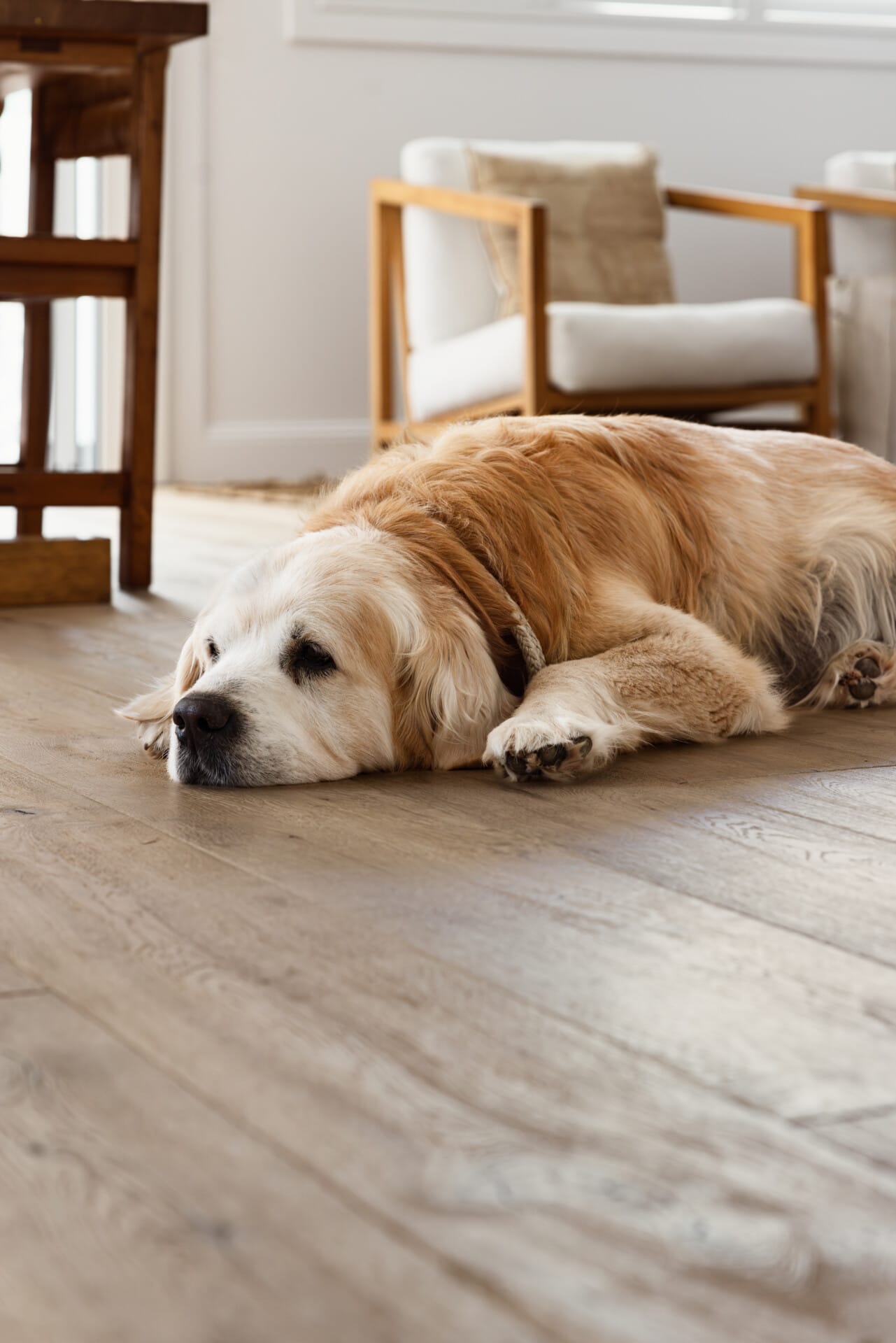
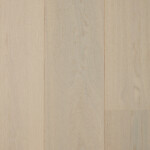
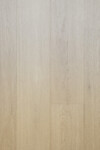
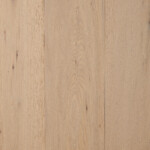
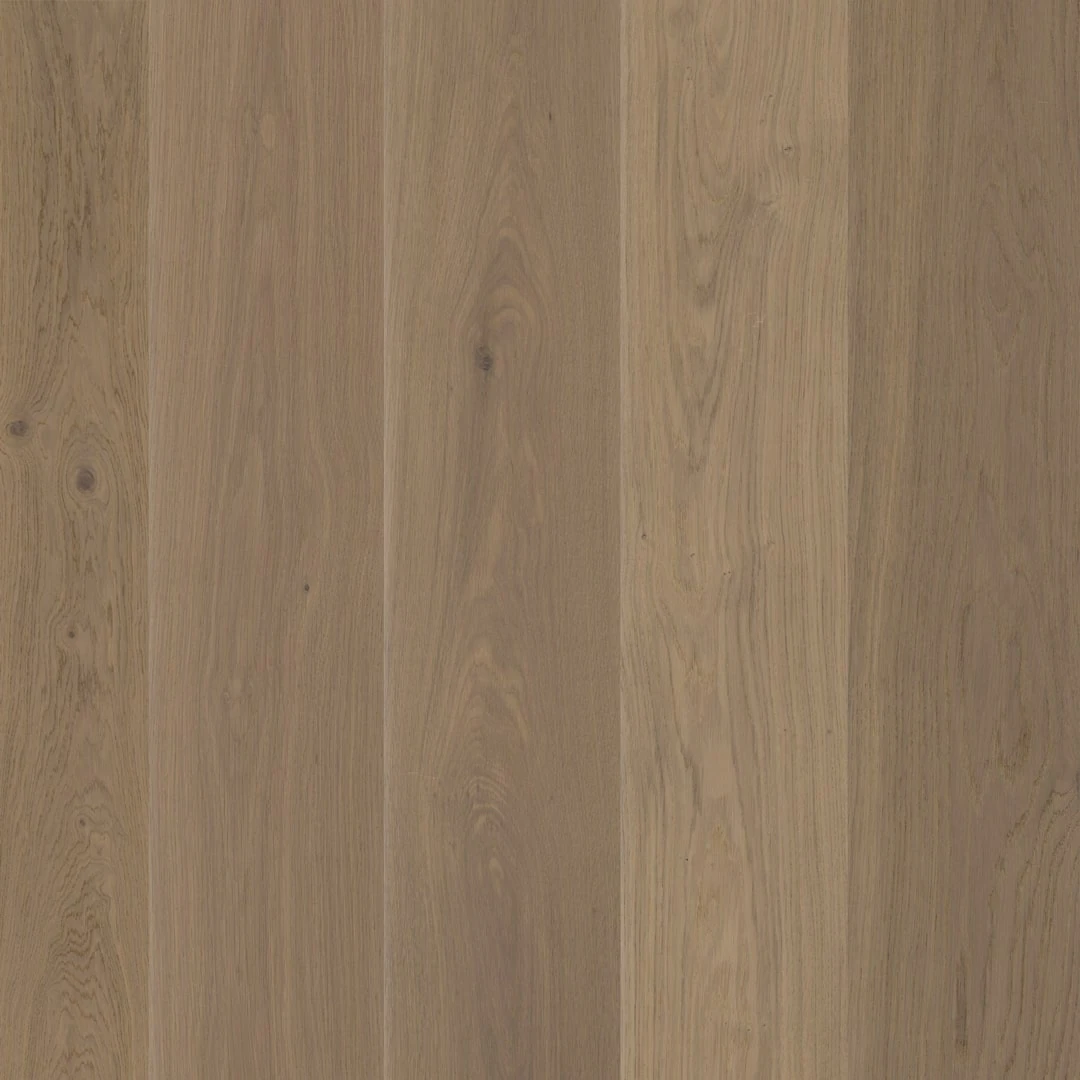
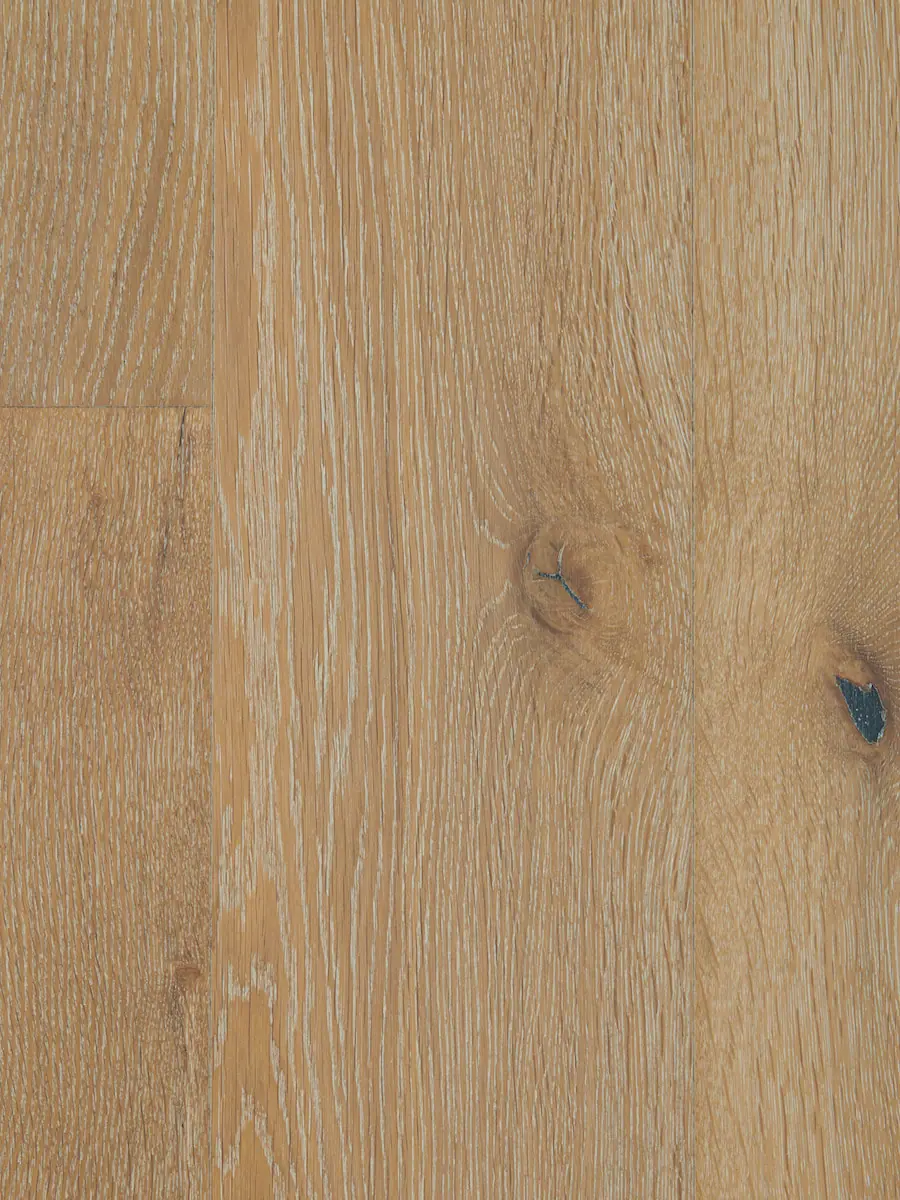
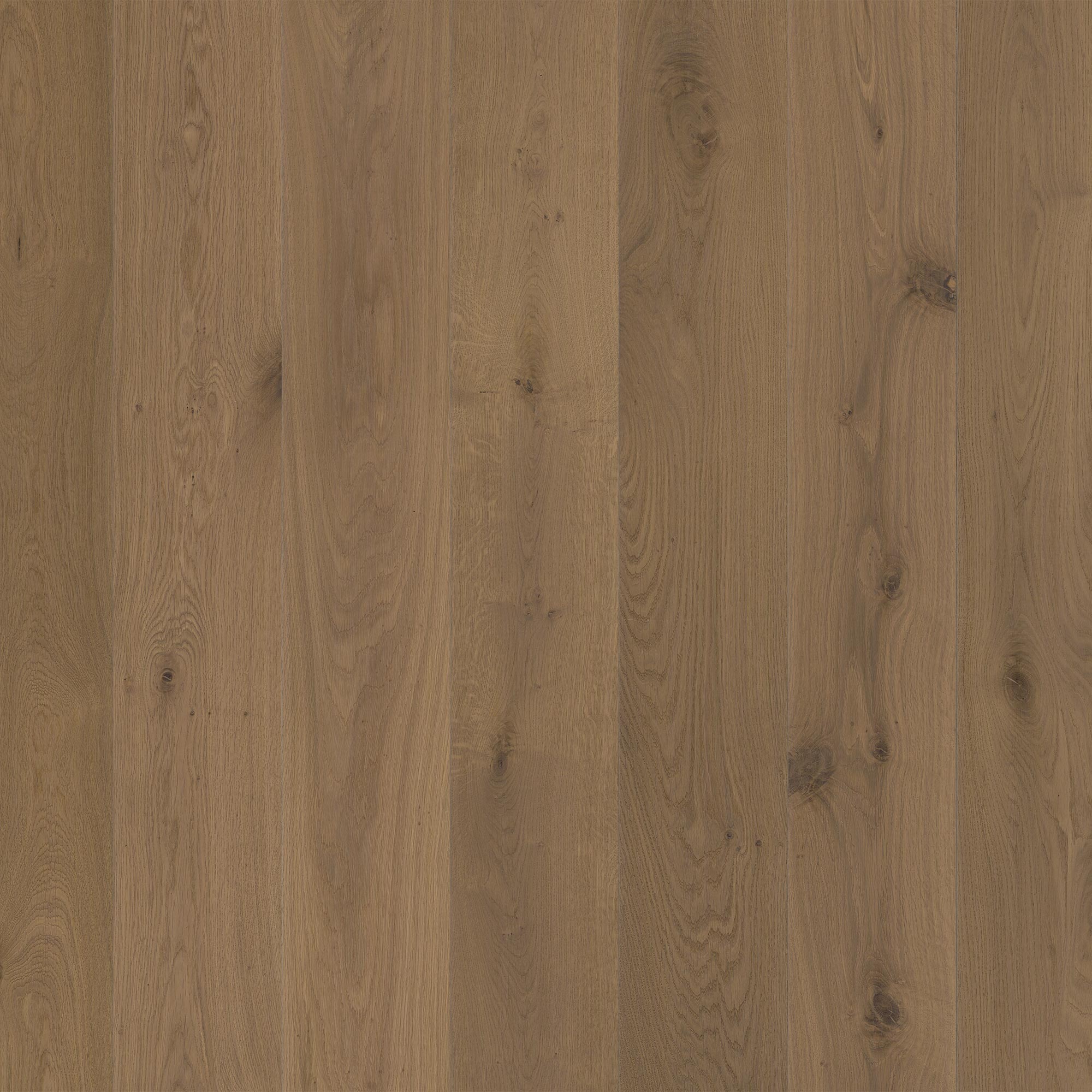
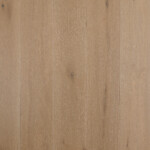
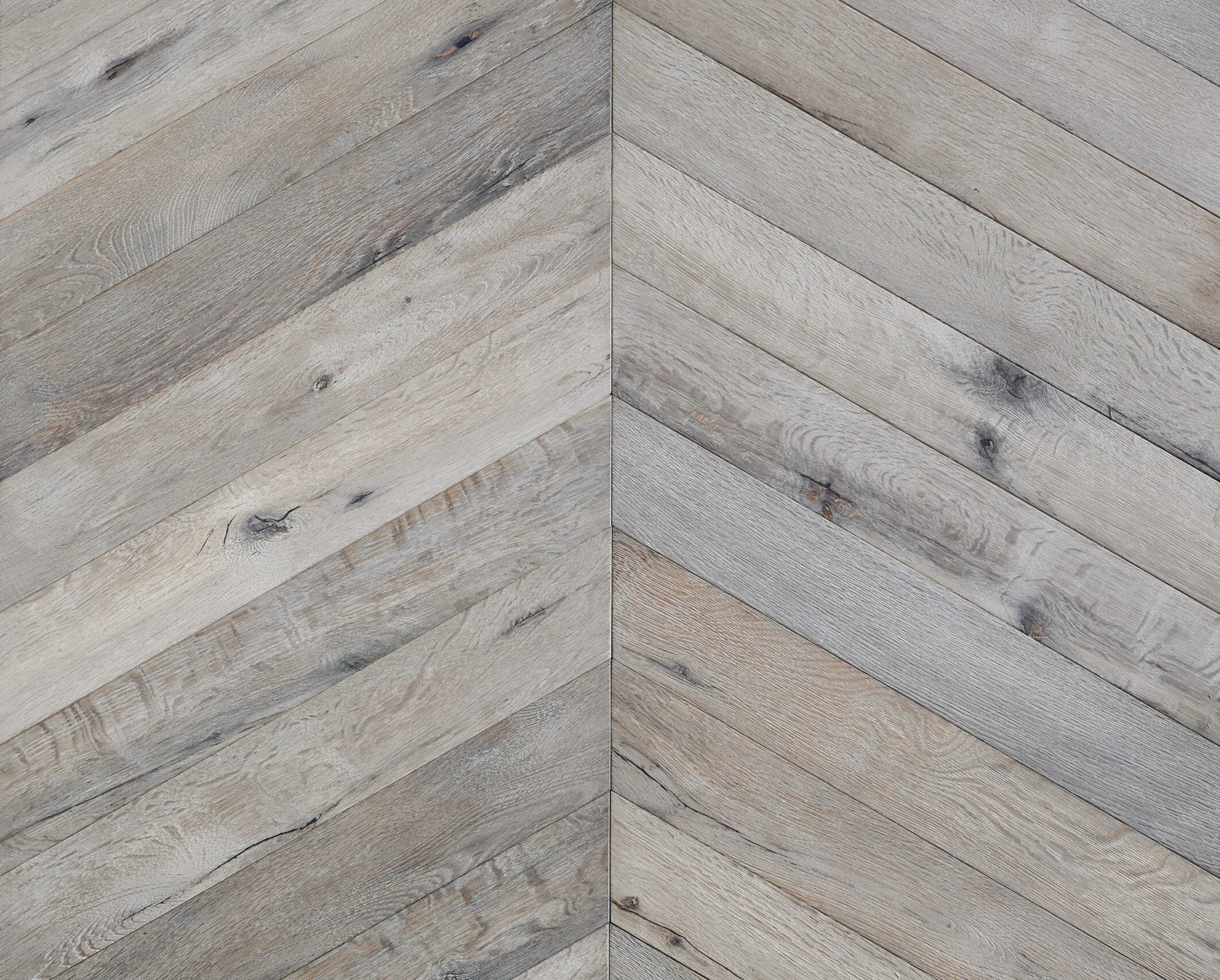
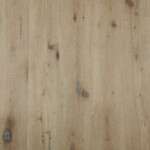
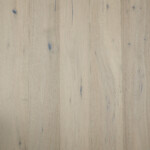
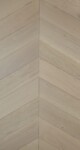
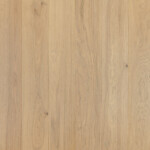
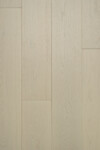
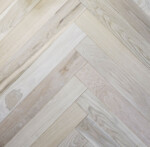
Two light blondes making themselves at home on the floor.
Natural materials are leading the conversation
One of the clearest shifts in modern interiors is the return to material honesty.
Rather than polished synthetics and perfectly uniform finishes, designers are favouring surfaces that reveal their natural character. Stone, handmade ceramics, linen textiles, and timber with visible grain are becoming defining elements of contemporary homes.
Timber flooring plays a particularly important role here.
When walls and furnishings remain calm, the floor becomes one of the most tactile surfaces in the room. Grain variation, tonal shifts, and matte finishes introduce quiet texture while grounding the architecture visually.
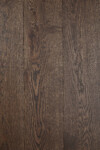
Finishes like St Andrews from our Peninsula collection, with its softly brushed surface and weathered tone, work particularly well in interiors that lean into natural materiality.
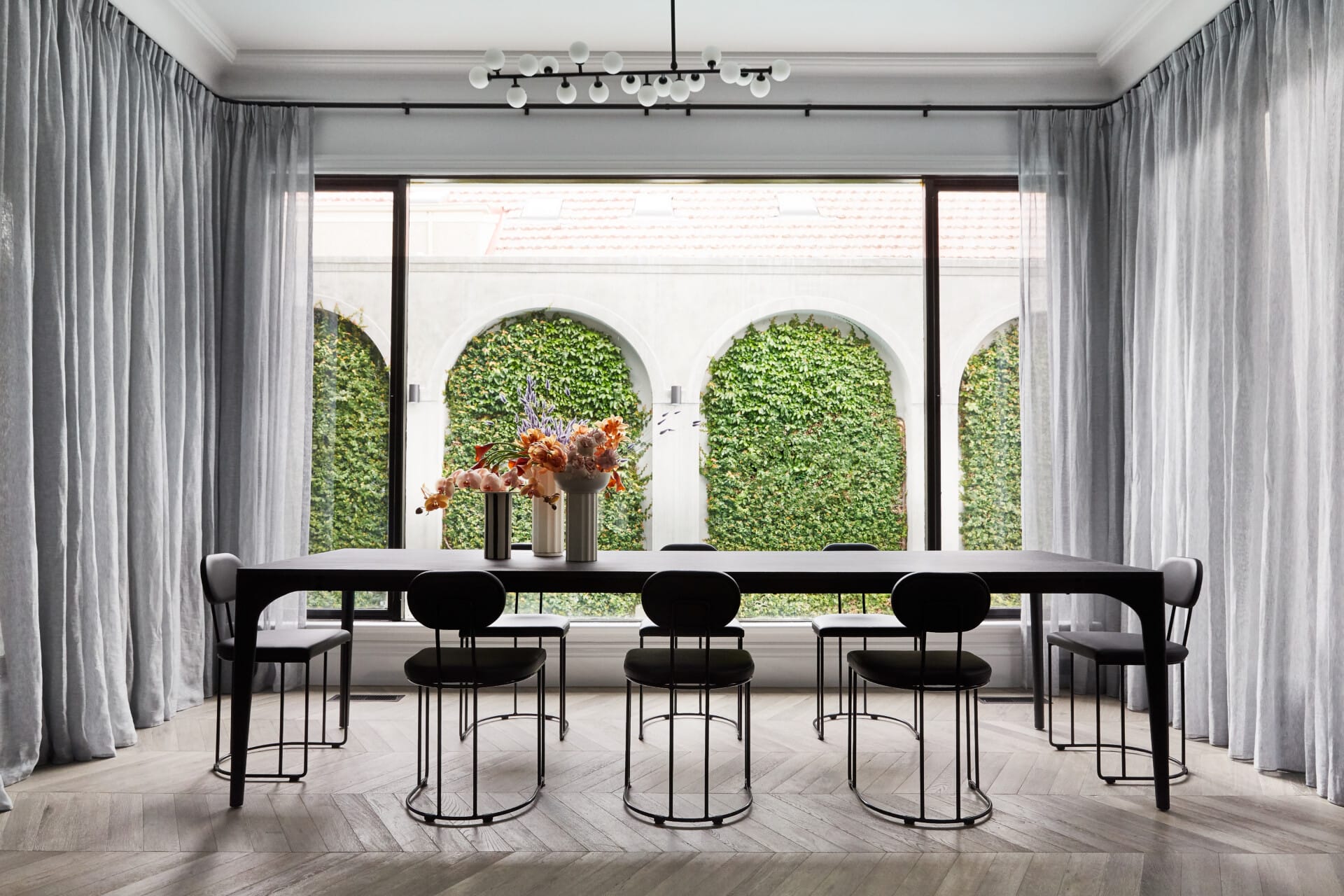
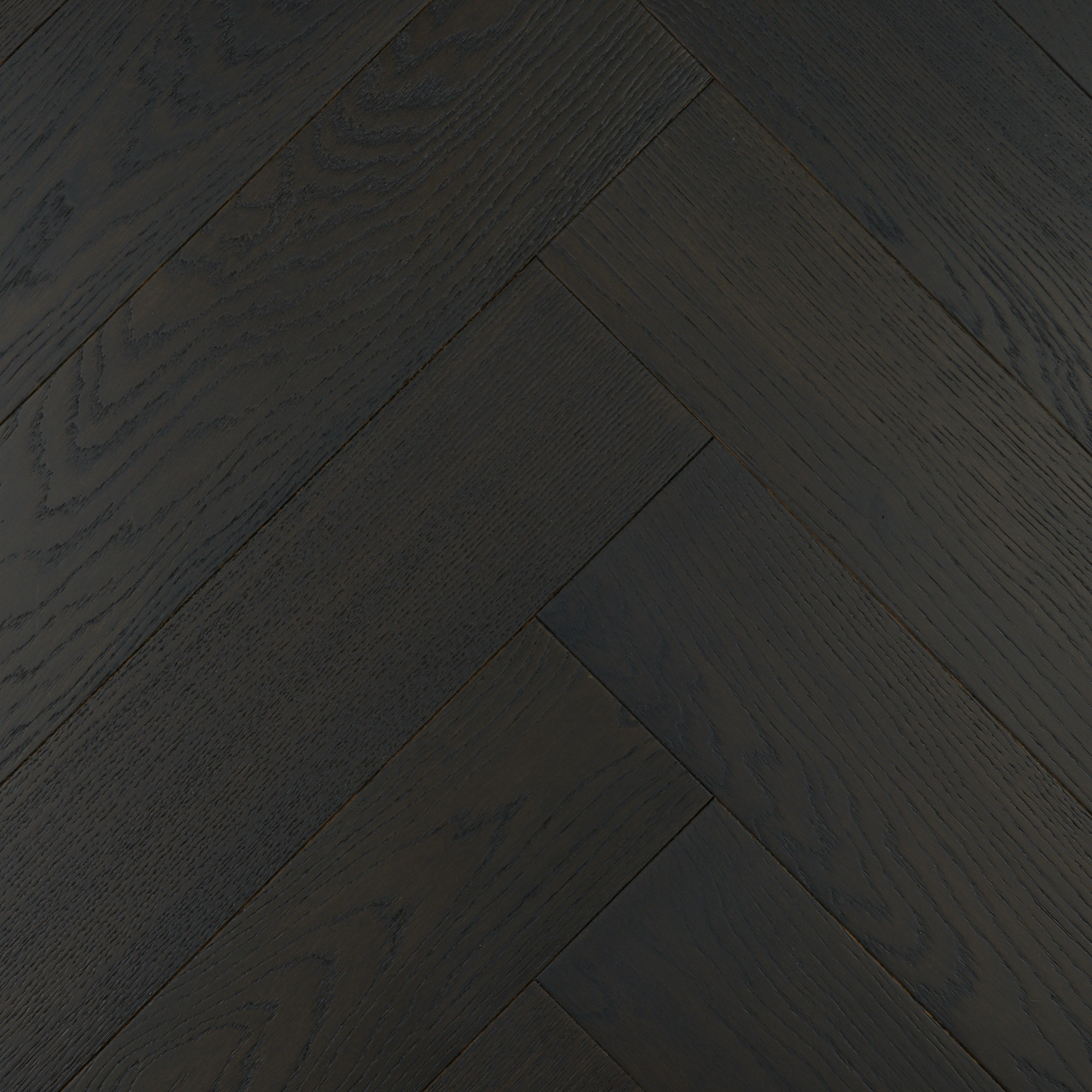
The warmth of herringbone timber flooring complements the refined, neutral tones of the dining area.
Warm minimalism is replacing stark minimalism
Minimalism itself isn’t disappearing, it’s evolving.
Today’s interiors are leaning toward what designers often describe as Warm Modernism or Soft Minimalism. The architecture remains clean and uncluttered, with warmth introduced through texture, tone, and natural materials.
Instead of cool whites and glossy finishes, these spaces favour:
- Warm neutrals
- Layered tones of sand, clay, and taupe
- Natural fabrics like linen and wool
- Softly textured surfaces
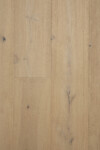
Timber complements this approach naturally. Light and mid-tone oak floors soften minimalist interiors while maintaining the openness contemporary architecture often calls for. Tones like Nordic Blonde from the Habitat range reflect natural light beautifully, helping minimalist spaces feel warm rather than stark.
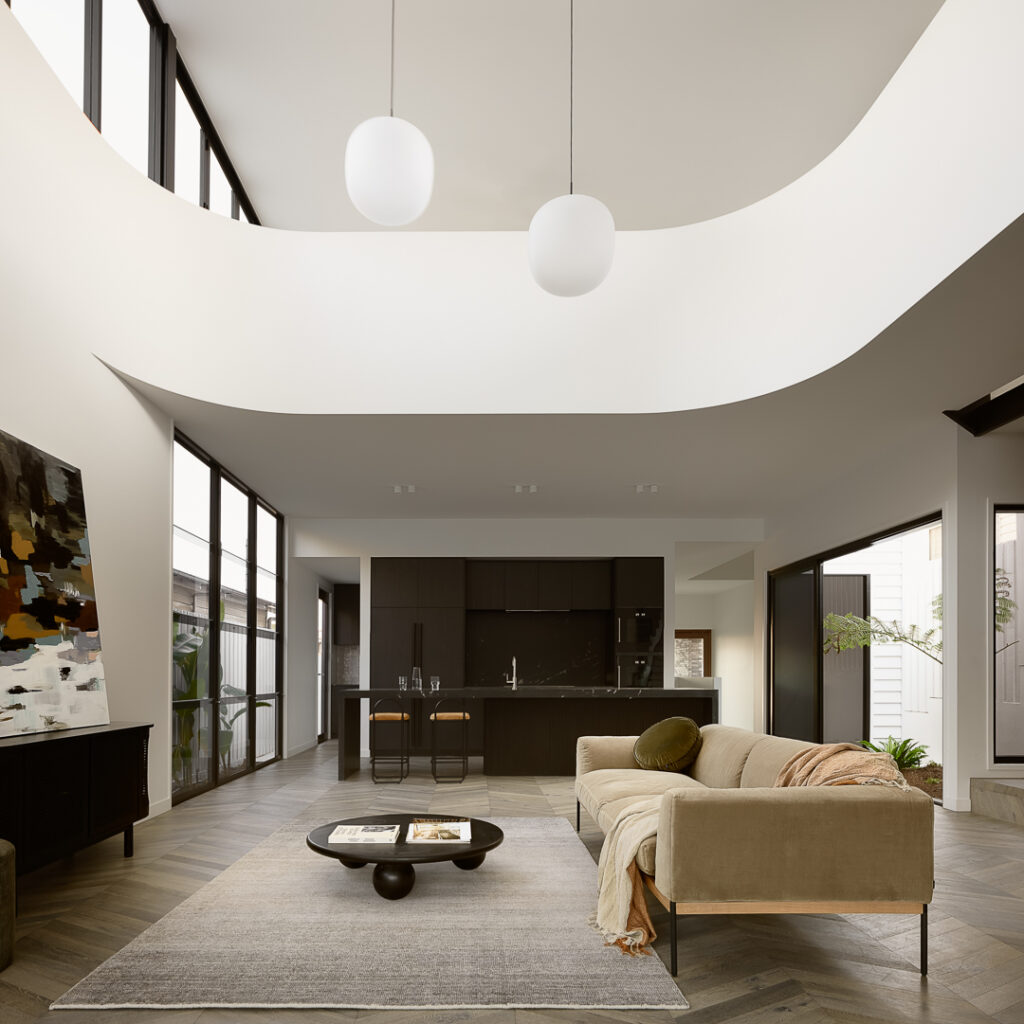
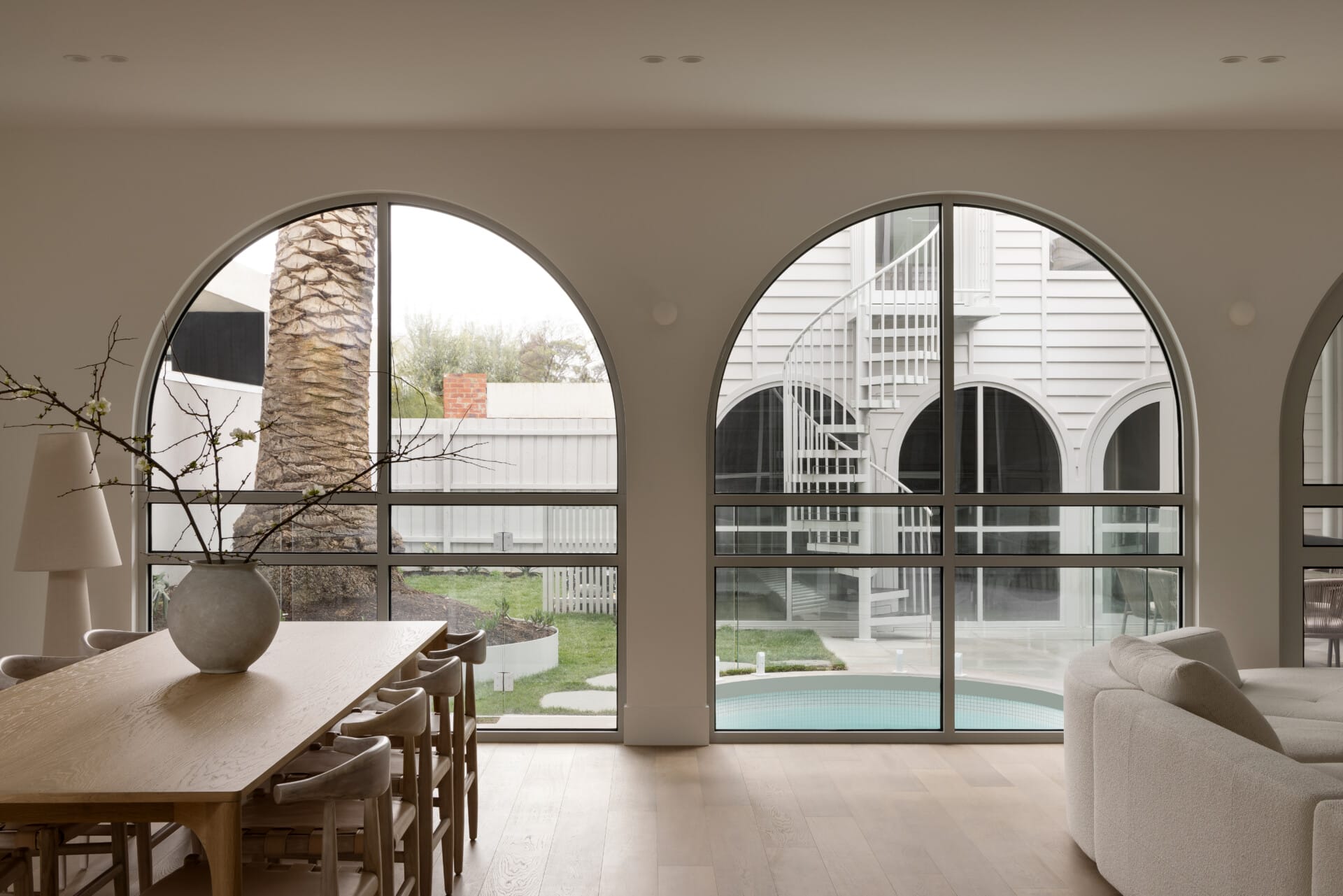
Curves in the architecture and furnishings soften this contemporary living space.
Curves and organic forms are softening interiors
Another defining feature of current interior design trends is the return of softer forms.
After years dominated by sharp edges and angular furniture, curved silhouettes are gradually reappearing in modern interiors. Rounded sofas, circular tables, sculptural lighting and arched openings introduce a sense of movement and comfort.
These shapes soften architectural lines and make spaces feel more relaxed.
Timber, with its organic grain and warmth, pairs beautifully with curved furniture and sculptural forms. Whether used in flooring, joinery or furniture, it balances softness with structure.
Patterns like herringbone parquetry can also introduce subtle movement across the floor, reinforcing flow without adding visual noise.
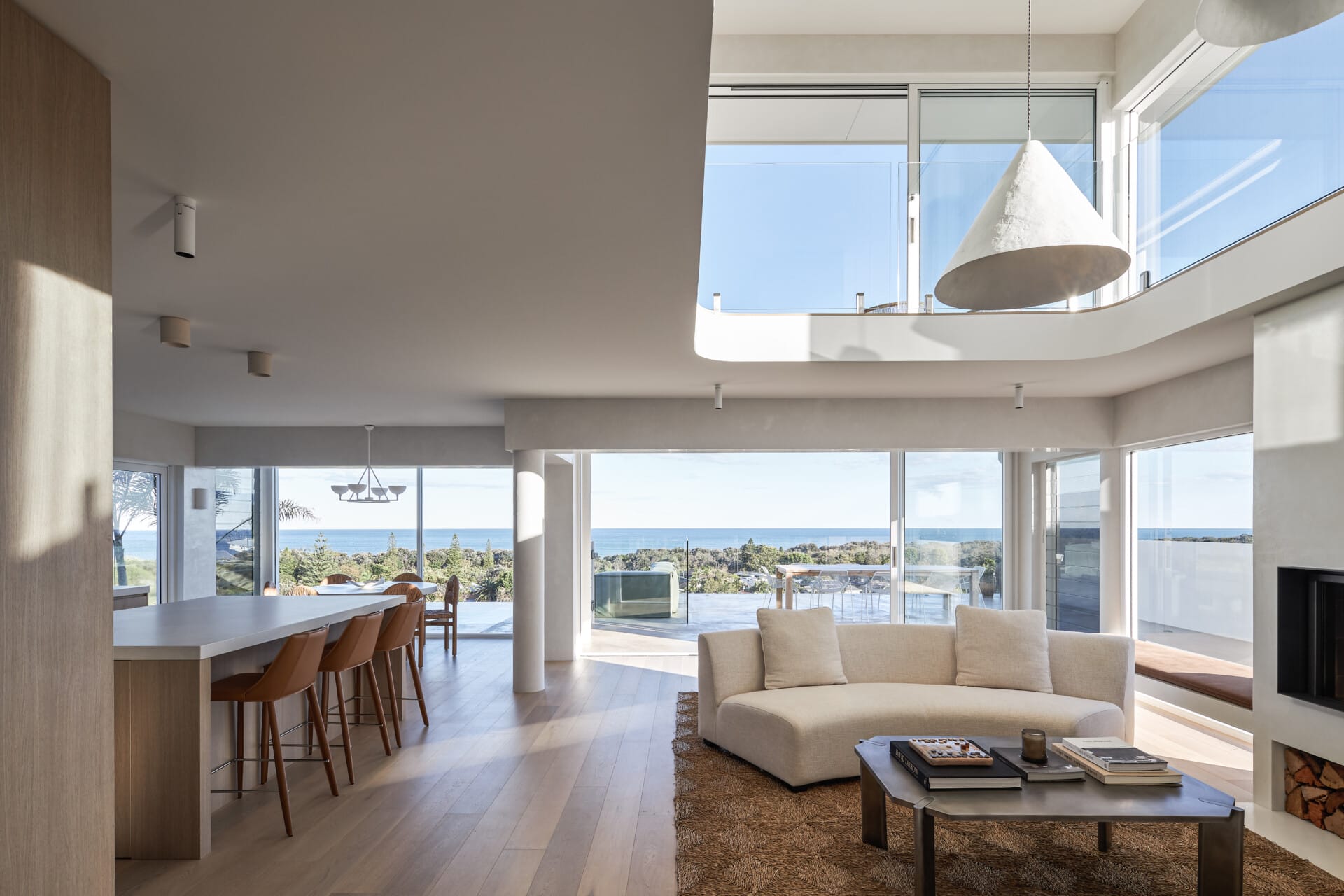
This coastal living area blurs the line between indoor comfort and outdoor serenity.
The design styles defining the moment
Many of today’s current interior design trends are influenced by design movements that prioritise simplicity, natural materials and thoughtful craftsmanship.
- Japandi blends the Japanese concept of wabi-sabi — beauty in imperfection — with the Scandinavian idea of hygge, a sense of calm comfort. Muted palettes, natural textures and light timber flooring create interiors that feel calm and balanced.
- Organic Modern combines contemporary architecture with tactile materials such as stone, timber and linen. Neutral palettes allow texture to shape the mood of the space.
- Mediterranean Modern draws inspiration from coastal European homes, layering sun-washed tones, textured plaster, natural stone and warm timber elements.
- New Heritage reinterprets traditional craftsmanship through a contemporary lens, blending classic architectural details with modern living.
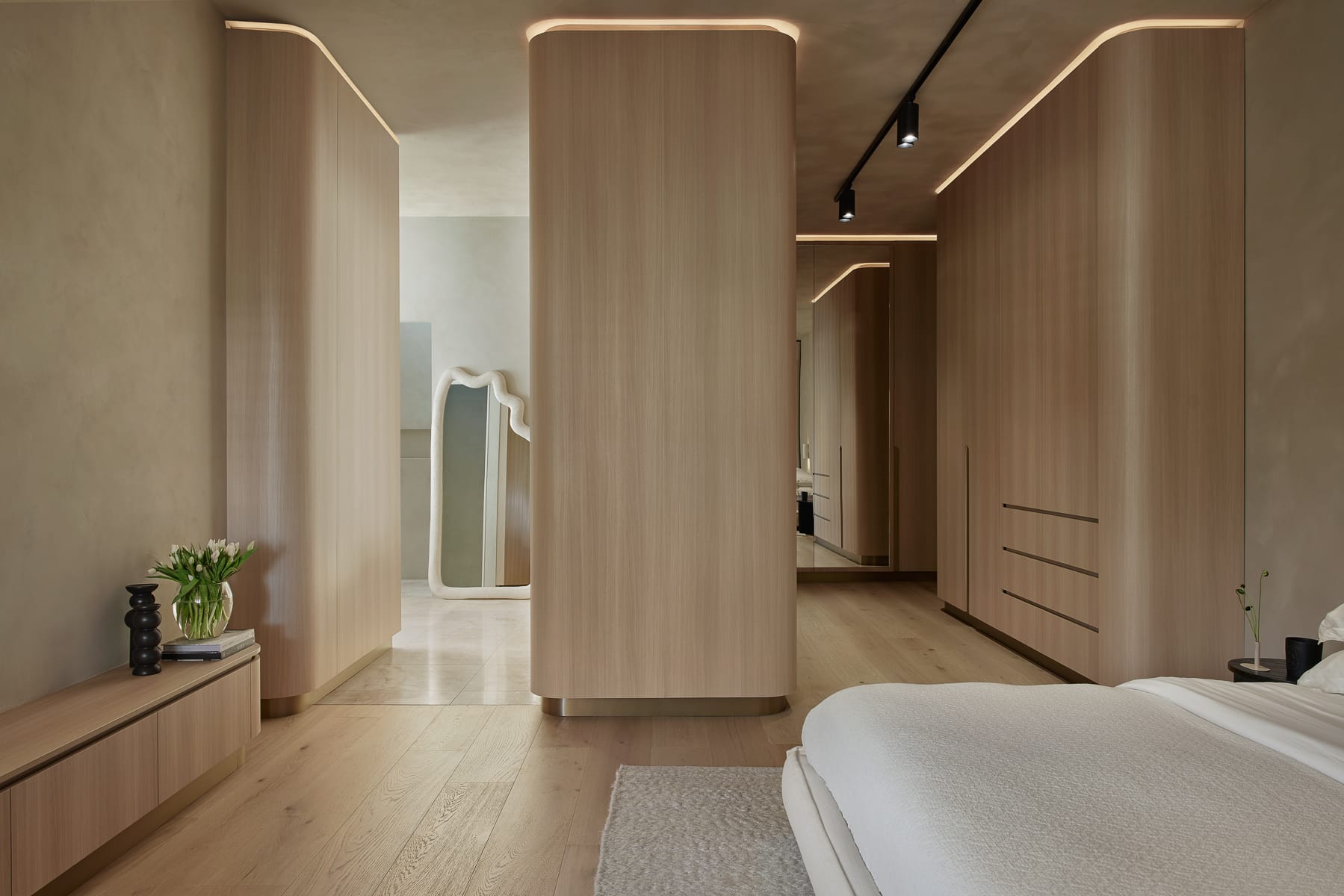
Curved corners in the cladding and cabinetry showcase exceptional craftsmanship and meticulous attention to detail.
Craftsmanship is replacing fast trends
Perhaps the most meaningful shift in interior design today is the growing emphasis on longevity over novelty.
Rather than filling homes with mass-produced furniture or short-lived trends, many homeowners are choosing materials and finishes designed to last. Custom joinery, artisan finishes, and thoughtful material selection are becoming central to contemporary interiors.
Timber aligns naturally with this philosophy. Over time, it develops character, subtle tonal shifts, natural patina and grain variation that allow a home to evolve rather than deteriorate.
Engineered European Oak flooring, like the collections we craft at Kustom Timber, is designed to support this longevity while maintaining the warmth and texture natural timber is known for.
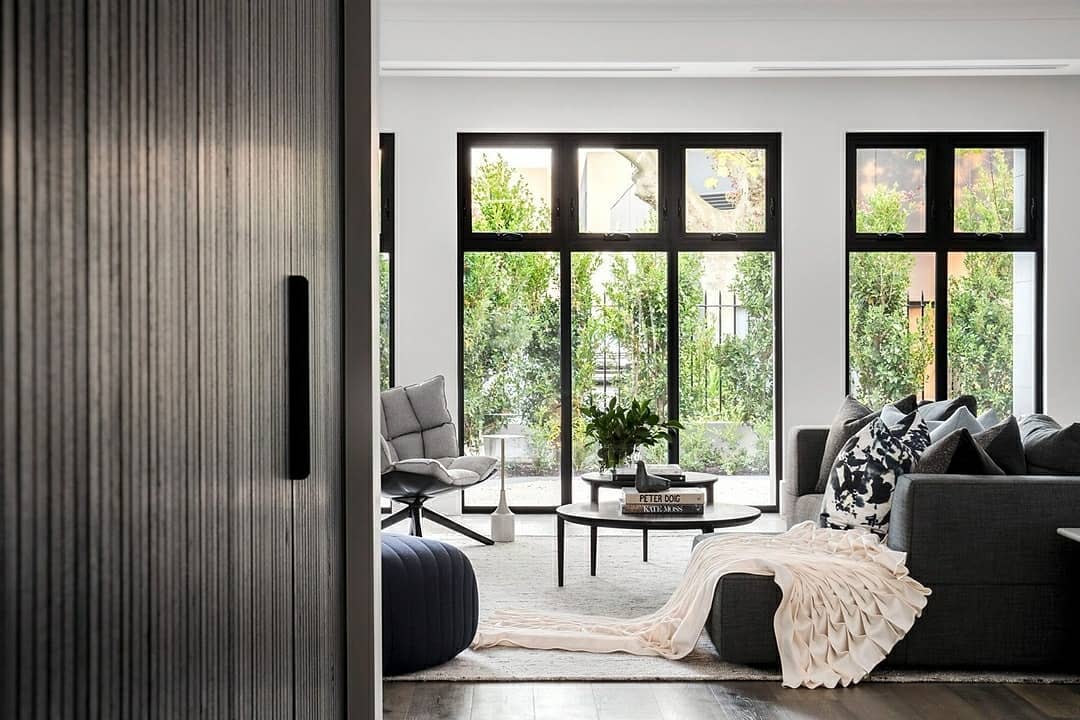
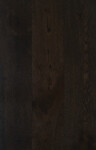
Dark timber flooring grounds this modern living room, adding depth and sophistication.
Biophilic design and the connection to nature
Another key influence shaping modern interiors is biophilic design, the idea that our homes should strengthen our connection to nature.
This philosophy prioritises natural light, airflow and materials drawn from the natural world. Homes influenced by biophilic design often feature large windows, earthy colour palettes and tactile surfaces that soften architectural spaces.
Timber flooring plays an important role in these environments. Its warmth and texture help connect interiors with the outdoors while reinforcing a sense of calm within the home.
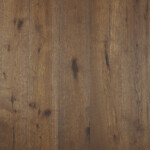
Natural oak tones such as Beach House or Hermitage sit comfortably within these palettes, echoing the colours and textures found in nature.
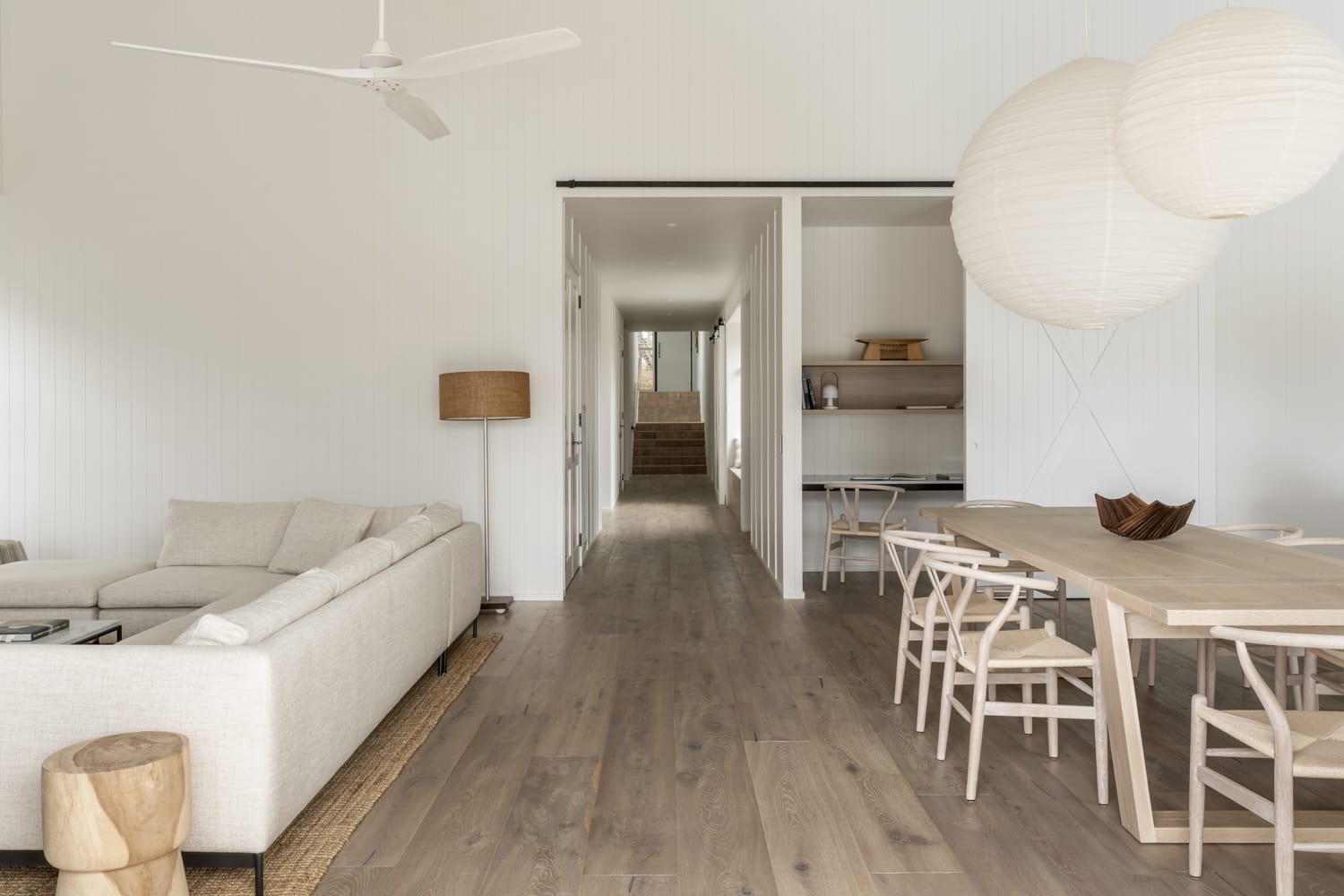
Natural oak flooring and organic forms define this tranquil, Japandi-inspired interior.
Designing beyond trends
Interior design trends will always evolve. But the most successful homes rarely rely on trends alone.
Instead, they are shaped by thoughtful choices. Materials that age gracefully, craftsmanship that holds its value, and spaces designed to support everyday living.
The current interior design trends we’re seeing today reflect a return to warmth, authenticity and natural beauty. And in many of these interiors, timber quietly plays a central role.
Grounding the space, softening the architecture, and bringing warmth to everyday life.
If you’re exploring how timber flooring can support these design directions, seeing the material in person makes all the difference.
Visit the Kustom Timber showroom to compare tones, finishes and patterns side by side and find the timber that truly fits your space.