
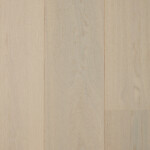
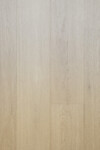
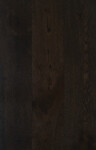
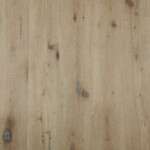
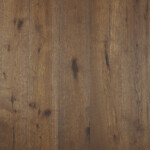
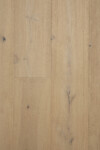
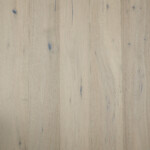
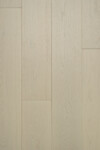
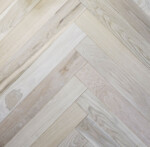








Please note: this article is intended as a guide. To view the full collection, head over to our Commercial Timber Flooring page.
Well-designed commercial spaces feel resolved. They support movement, absorb daily wear, and maintain their composure over time, with flooring forming the foundation of that balance.
Finding the best flooring for commercial spaces involves more than selecting a surface that looks appropriate. The material must perform consistently, support architectural intent, and endure long after installation. Engineered timber increasingly sits at that intersection of durability and design clarity.
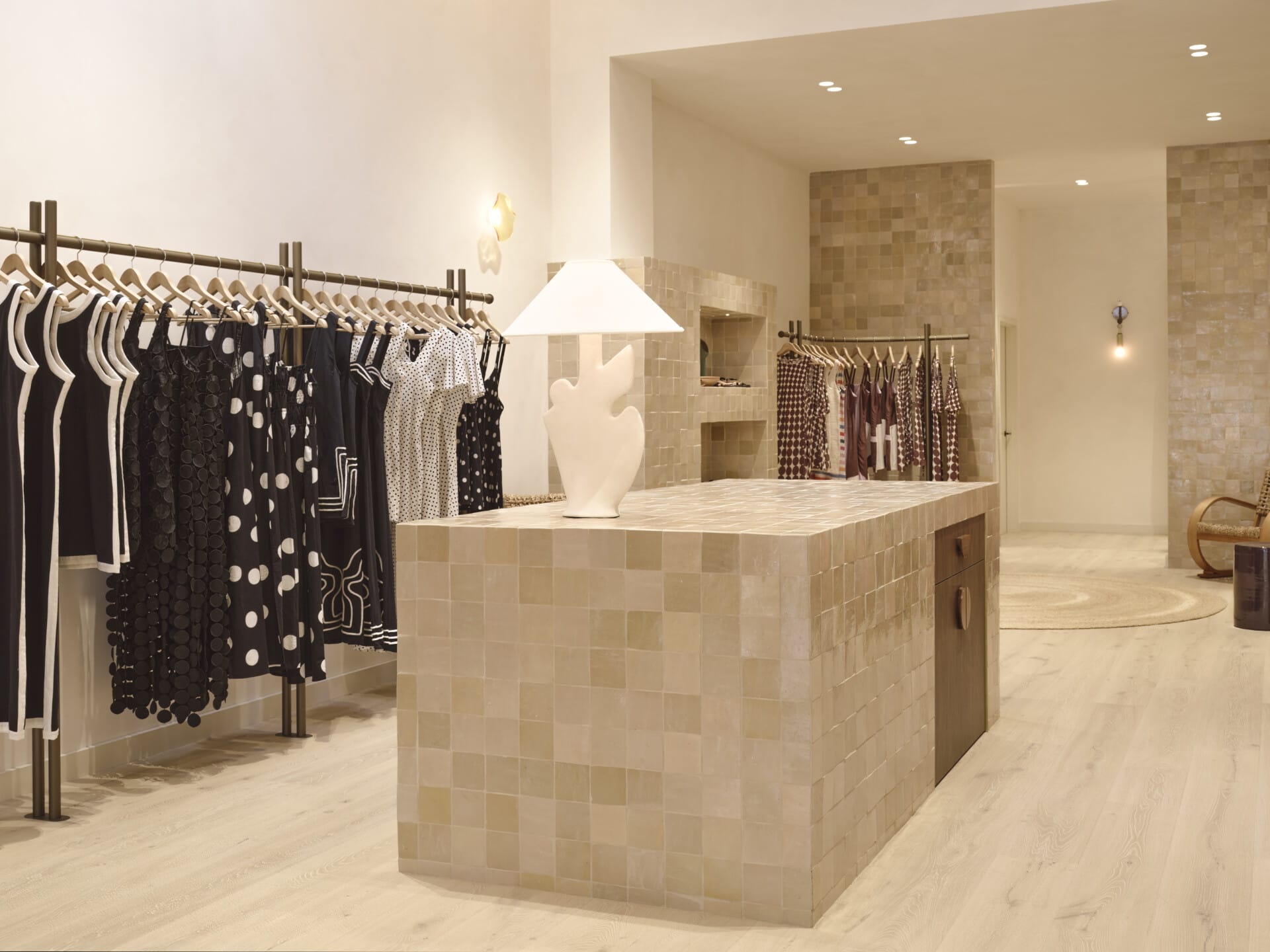
Mister Zimi, Perth | Retail boutique with pale timber flooring, tiled display island and warm neutral walls
Understanding the demands of commercial environments
Commercial interiors operate with a different rhythm from residential environments.
Foot traffic is constant, furniture shifts daily, and cleaning is frequent. Light moves across expansive floorplates, while climate systems introduce subtle changes in temperature and humidity.
Each setting carries distinct expectations:
- Retail spaces: Flooring frames displays and subtly guides customer movement.
- Hospitality venues: The floor shapes the atmosphere from the first step inside.
- Office environments: Timber supports acoustic comfort while reinforcing a professional tone.
The surface must endure this pace while balancing resilience with refinement.
Some materials prioritise short-term savings. Others focus solely on durability. The most successful commercial interiors favour materials that integrate performance with warmth and cohesion.
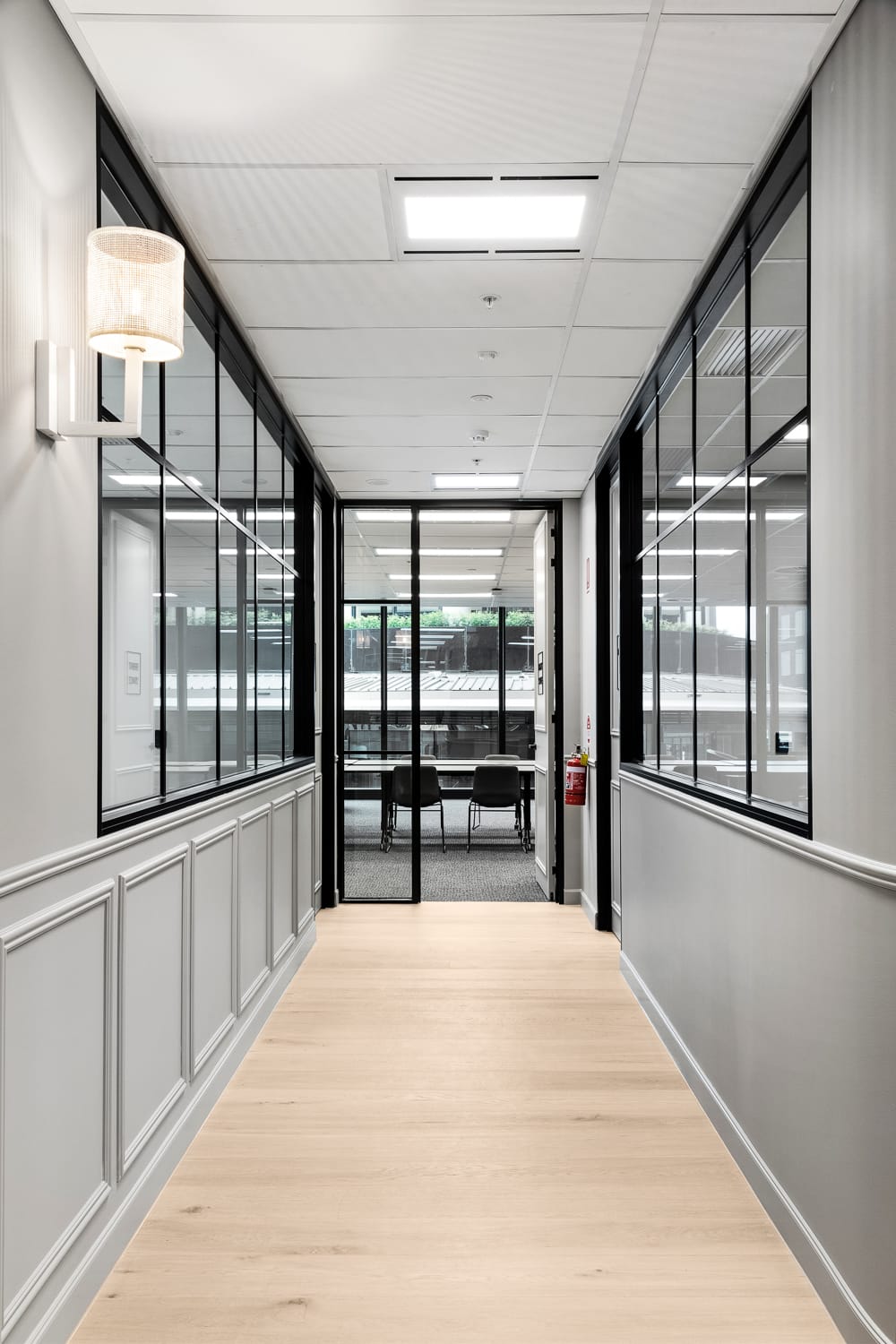
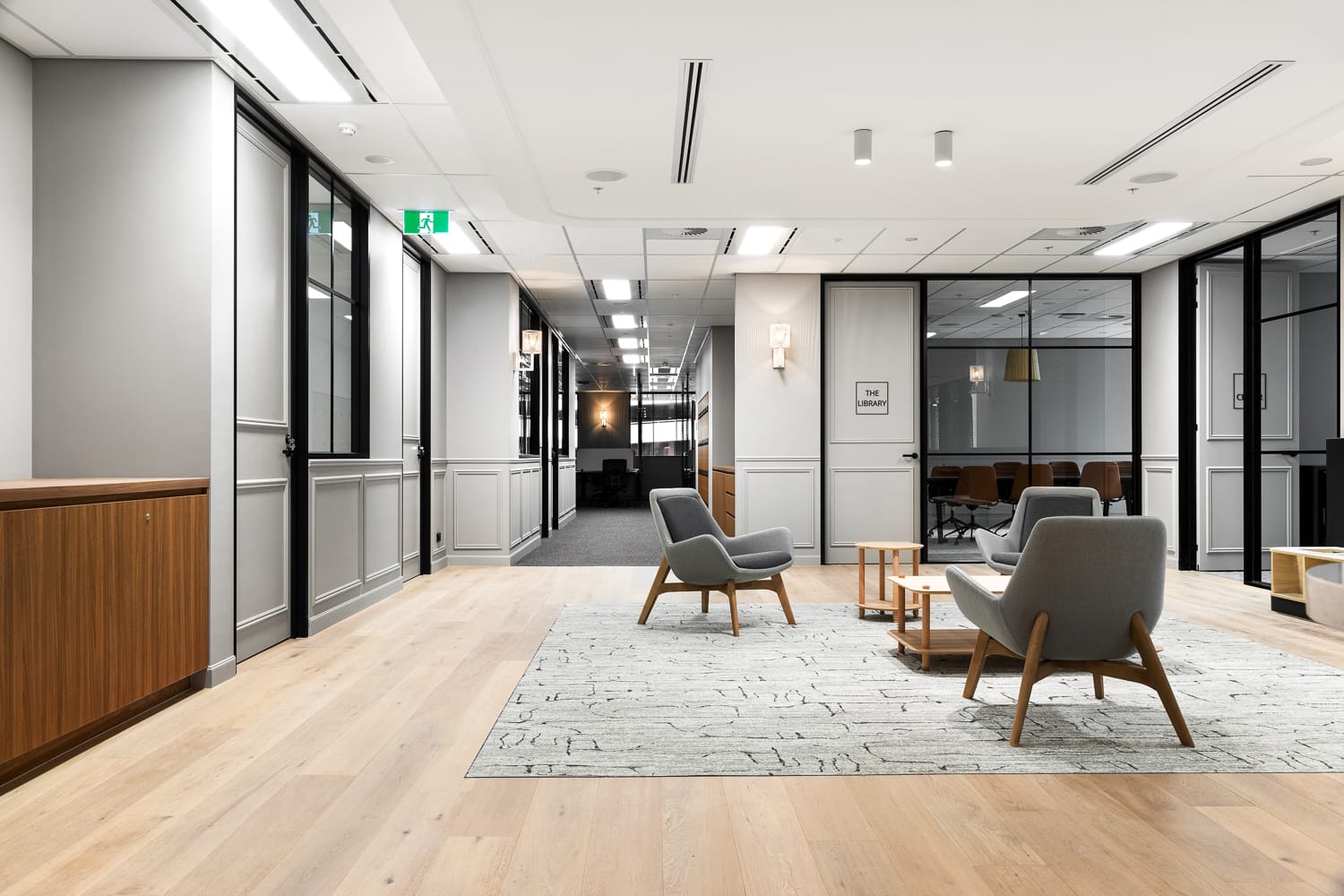
Goldfields 627 Chapel Street | Calypso 190mm engineered timber flooring in a commercial hallway with grey wall panelling and black-framed glass office partitions.
What is engineered timber flooring?
Engineered timber flooring is constructed from layered timber boards bonded together in opposing directions. This cross-layered structure enhances stability and limits natural movement.
The top layer is genuine hardwood, carrying the grain and tonal variation that define real timber. Beneath it, the layered core provides structural consistency across larger spans.
The result is a surface that retains the authenticity of solid timber while offering greater composure in demanding commercial environments.
Engineered timber compared to solid timber
Solid timber is milled from a single piece of hardwood and responds more noticeably to changes in moisture and temperature. In larger commercial interiors, that movement can become difficult to manage.
Engineered timber moderates these shifts through its layered construction, allowing reliable performance across expansive layouts and concrete subfloors. When selecting the best flooring for a commercial space, structural stability becomes essential.
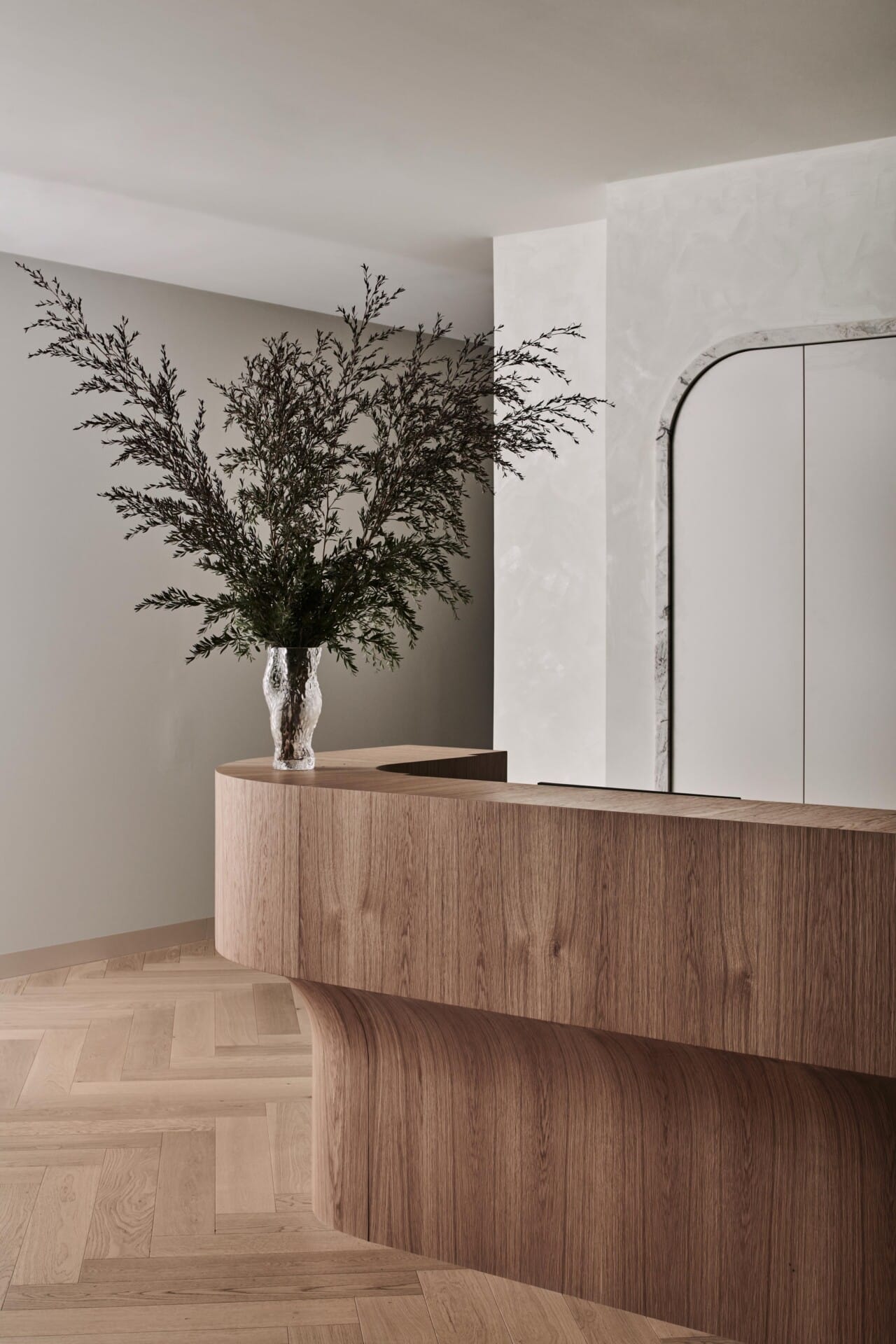
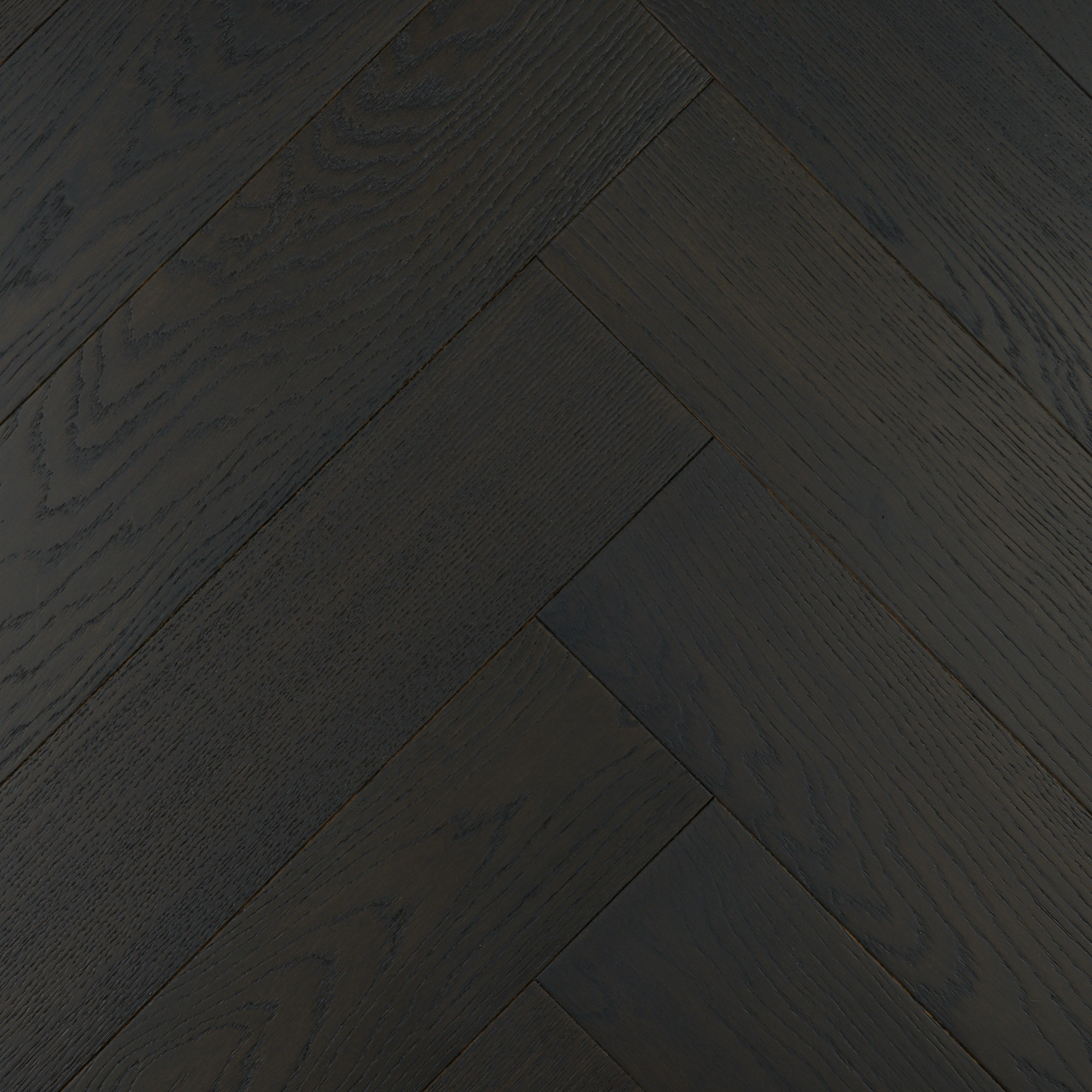
Oryx Dental | New York Loft herringbone parquetry, with custom timber desk and subtle microcement render.
Why engineered timber performs in commercial settings
Stability across open floorplates
Large commercial interiors require visual continuity. Engineered timber maintains alignment across wide floorplates, even as environmental conditions fluctuate, helping the floor remain a steady architectural base.
Durability that ages with integrity
Commercial-grade engineered timber combines a substantial hardwood wear layer with refined protective finishes. These coatings absorb daily abrasion while preserving surface clarity.
Rather than deteriorating quickly, the floor develops character over time, maintaining depth even in high-traffic zones.
Repairability and long-term value
Depending on wear layer thickness, engineered timber can be refinished, extending its lifespan significantly.
When evaluating the best flooring for commercial spaces, long-term value often outweighs initial cost. A material that can be restored supports both financial efficiency and environmental responsibility.
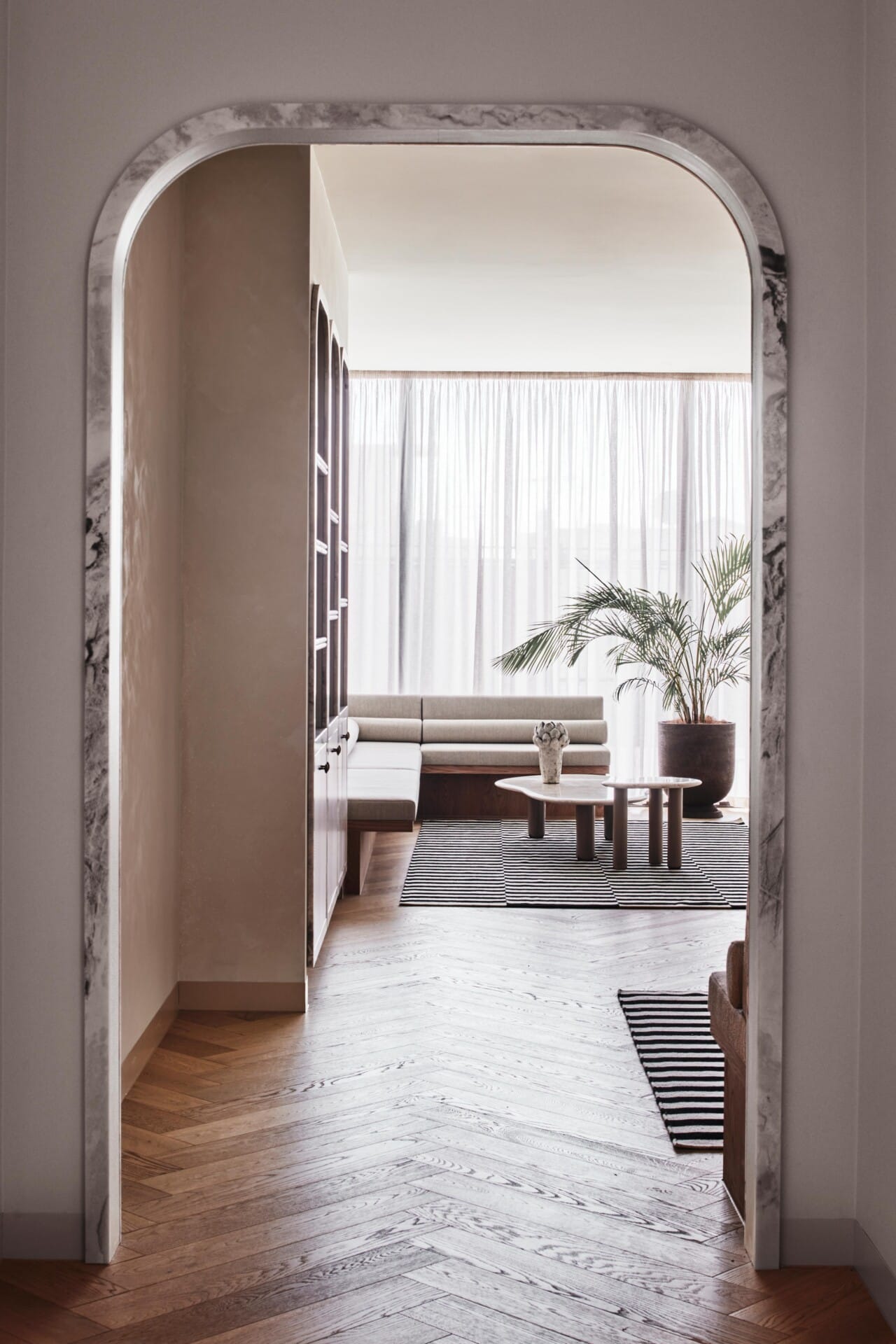
Oryx Dental: Looking down the hallway into the patient waiting room. Marble detailing around the doorway paired with the herringbone parquetry makes for a striking display of tactile opulence.
Specifying timber with intent
Careful specification ensures the flooring supports both function and design. In commercial spaces, performance requirements, spatial perception, material character and surface finish all work together, shaping not only how the floor performs, but how the space is experienced.
Traffic and function
Entry zones and corridors benefit from harder species and low-sheen finishes that reduce visible scuffs. In quieter areas, tone and grain variation may take precedence while maintaining durability.
What you choose should reflect how the space will be used over time.
Species selection
European Oak offers versatility suited to contemporary interiors. Australian hardwoods bring density and distinctive character. American Oak provides a refined tonal range and subtle variation.
Hardness ratings matter in commercial contexts, though visual cohesion across the interior remains equally important.
Format and layout
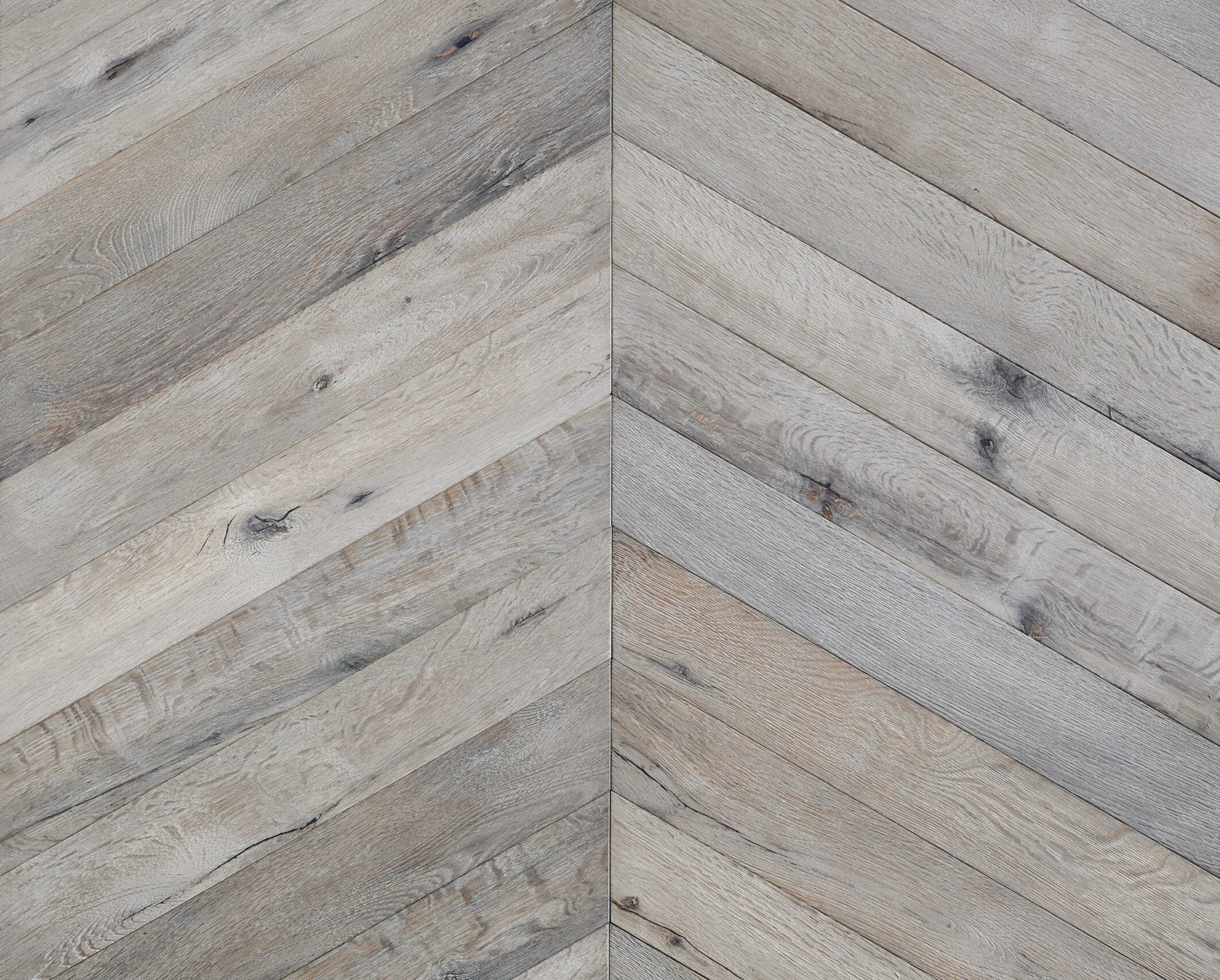
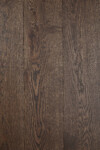
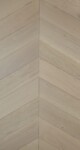
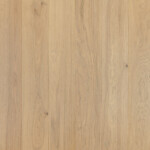
Board width influences spatial perception. Wide planks introduce calm and continuity across open-plan spaces. Chevron and herringbone patterns add structure and rhythm, often elevating hospitality or premium retail environments.
The chosen layout becomes part of the architectural narrative, shaping how occupants experience the space.
Finish and texture
Matte and low-sheen finishes tend to perform well in commercial settings. They soften reflected light and maintain a composed appearance throughout the day.
Lightly brushed textures introduce nuance, allowing the grain to remain present without overwhelming the interior.
Goldfields 627 Chapel Street | Victorian panelling, art-deco lighting features with mid-century inspired furniture and contemporary rug make for an eclectic mix of period features that give character to the space.
Supporting contemporary commercial design
Modern commercial environments increasingly prioritise experience alongside performance. Natural materials contribute to that evolution.
Timber flooring introduces warmth into structured architectural forms while supporting acoustic comfort more effectively than harder surfaces such as polished concrete. Subtle grain variation responds to changing light, adding quiet depth across expansive interiors.
For many projects, engineered timber becomes the best flooring for commercial spaces because it supports design intent while meeting practical demands in equal measure.
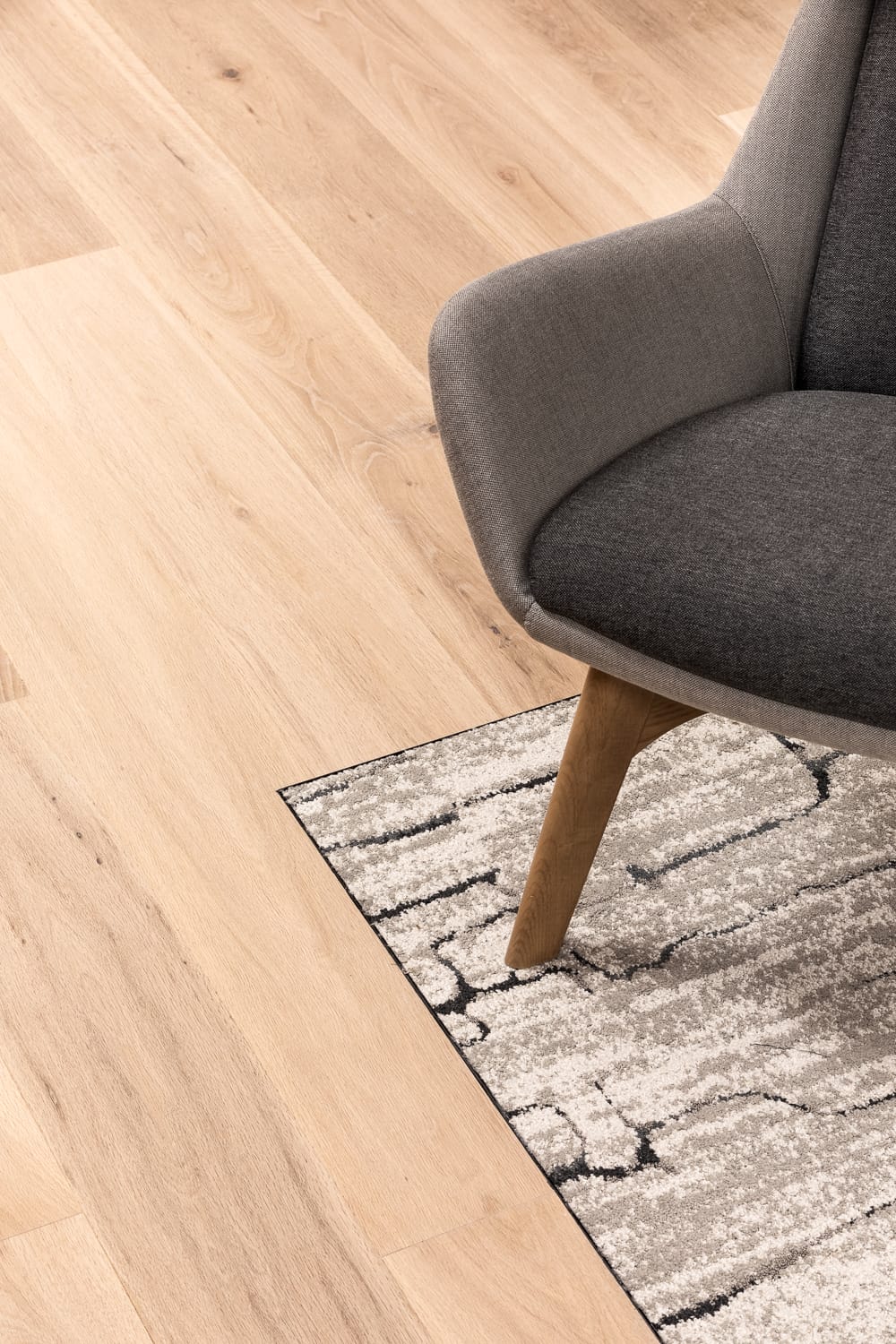
Goldfields 627 Chapel Street | detail shot of Calypso and feature rug
Maintenance and practical performance
Engineered timber remains practical in commercial settings.
Routine sweeping or vacuuming, combined with damp mopping using timber-safe products, is typically sufficient for daily care. Periodic professional maintenance may be recommended depending on traffic levels.
Unlike carpet, timber does not trap dust or allergens, contributing to improved indoor air quality.
When properly specified and maintained, engineered timber can perform for decades. The potential for refinishing further strengthens its lifecycle value.
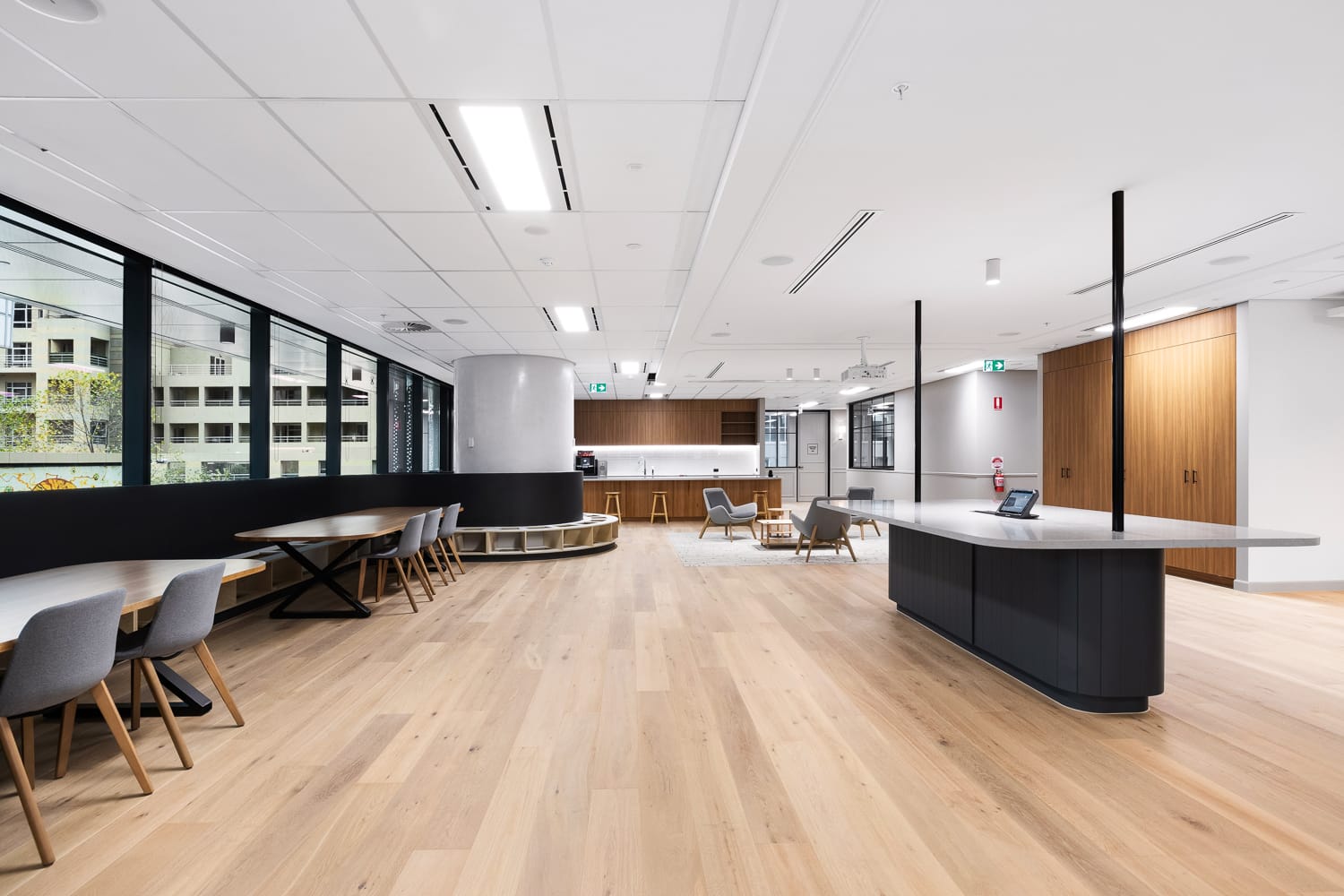
Goldfields 627 Chapel Street | the mid-century inspiration continues with walnut timber cladding, and contrast to the blonde timber flooring.
Sustainability and responsible material selection
Responsible material selection is central to commercial design.
Engineered timber maximises yield through layered construction, requiring less slow-growing hardwood than solid boards. When sourced responsibly, it supports environmentally conscious building practices.
Longevity itself contributes to sustainability. A floor that endures reduces replacement cycles and material waste, reinforcing its suitability for long-term commercial performance.
A considered commercial flooring solution
At Kustom Timber, we approach commercial flooring with the understanding that every detail carries weight. From early specification through to installation, our focus remains on delivering engineered timber solutions that sit comfortably within their architectural context.
Choosing the best flooring for commercial spaces begins with considering material selection and a clear understanding of how the space is intended to function and feel.
If you are planning a commercial fit-out or refining a specification, speak with our team or request samples to explore engineered timber options tailored to your project.
Build from a foundation that feels intentional.