








Great commercial interior design goes well beyond aesthetics. For architects, designers, and developers, the decisions that matter most — material durability, traffic flow, acoustic performance, and long-term lifecycle costs — happen well before a space opens its doors. Timber flooring, specified correctly, delivers on every front.
A commercial space does two things simultaneously. It works for the people inside it, and it says something about the brand that occupies it. The best fit-outs get both right, which is why interior design for commercial spaces demands a fundamentally different approach from residential work.
Scale changes everything. Decisions that are straightforward in a home renovation become far more consequential when multiplied across a 500-square-metre restaurant floor or a multi-level office fit-out. Material choices affect construction timelines, maintenance schedules, occupancy costs, and how a space performs years from now. Getting the specification right from the outset is not a detail. It’s the project.
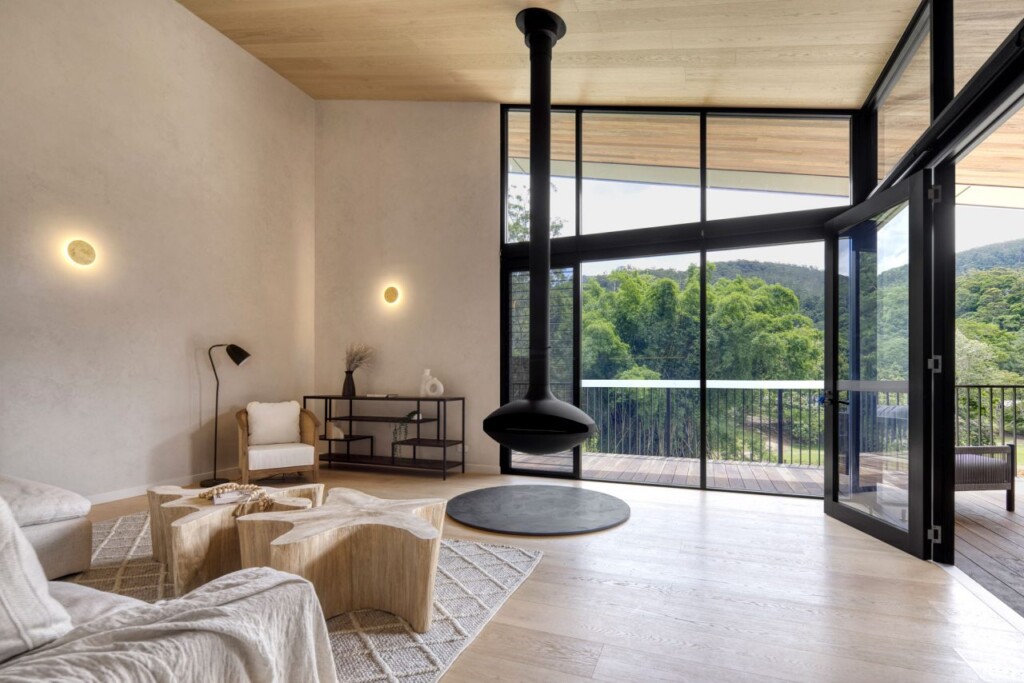
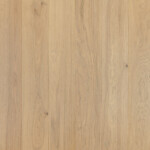
Eden Health Retreat: blonde timber flooring and cladded ceilings create a warmth and tranquility befitting a secluded health retreat.
Design shapes brand experience
Before anything else, a commercial interior communicates. A hospitality venue with warm, natural materials signals a very different experience to one clad in polished concrete and stainless steel. A boutique retail space with considered finishes creates the conditions for customers to slow down, browse, and spend.
Experienced designers and architects understand this instinctively. The challenge is translating that instinct into a specification that can be built, maintained, and sustained across a commercial lifespan. Interior design for commercial spaces, at its best, resolves the tension between vision and practicality.
The non-negotiables: functionality and durability
Any material specified for a commercial environment has to earn its place. That means performance under real-world conditions: high foot traffic, daily cleaning regimes, the occasional trolley or rolling equipment load, and UV exposure through glazed facades.
The questions a specifier should be asking early include:
- What’s the expected foot traffic, and where does it concentrate?
- How will the space be cleaned, and how frequently?
- Are there specific slip resistance ratings required under the National Construction Code?
- What are the acoustic performance requirements for the environment?
Timber flooring specified for commercial use addresses these directly when selected properly. Engineered construction with a hardwood core delivers dimensional stability across fluctuating temperature and humidity conditions. This matters in Melbourne, where interiors can swing significantly between seasons.
Commercial-grade polyurethane coatings provide meaningful resistance to wear, scratching, and UV degradation. A 4mm wear layer allows for multiple sanding and refinishing cycles over the product’s lifespan, which fundamentally changes the lifecycle economics of the floor.
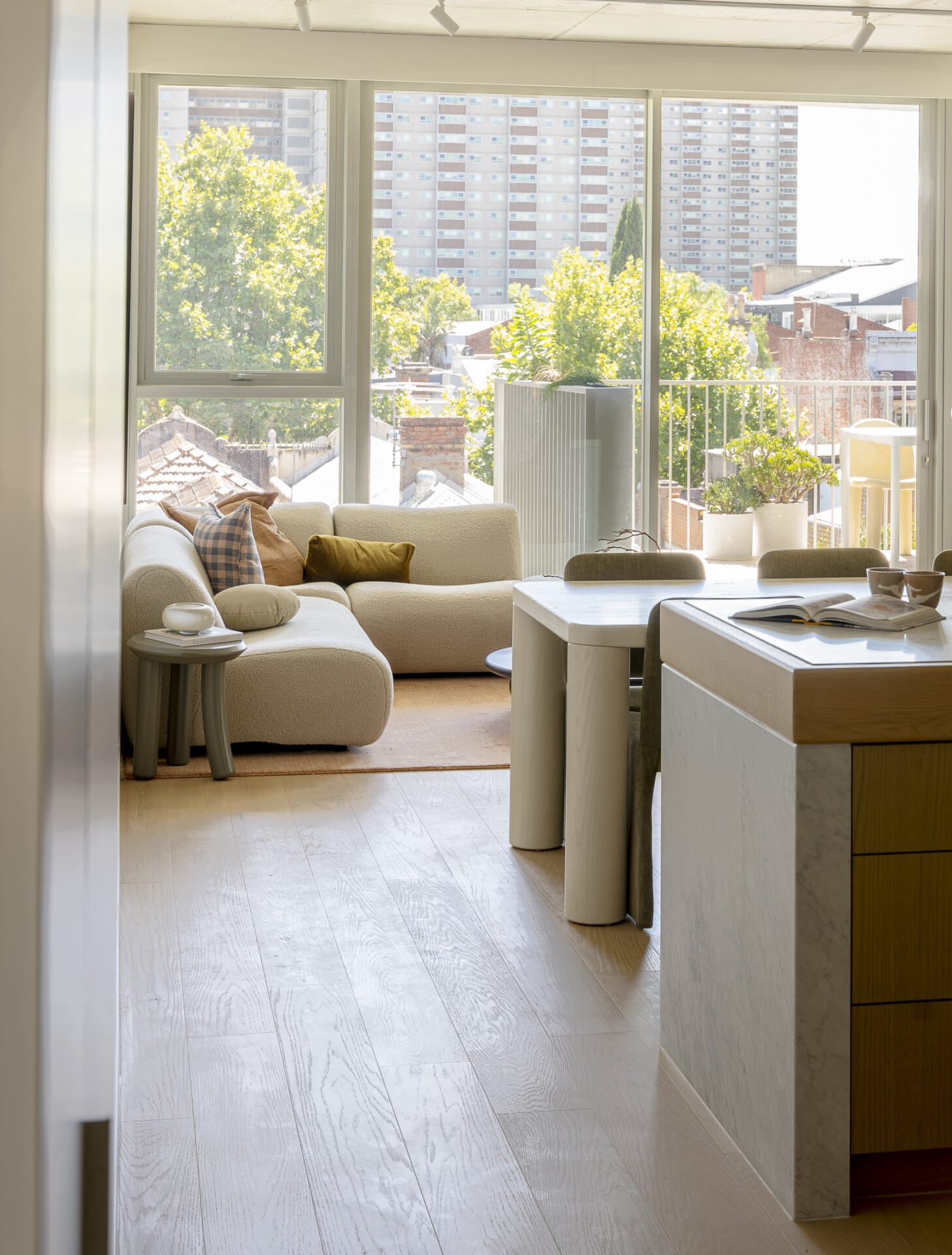
VCON – multi-res apartments: featuring Burleigh from our commercial range, The Project Series.
Material selection: why timber works in commercial contexts
Timber has always been the specifier’s dilemma. Its warmth, character, and acoustic quality are unmatched. The historic concern has been performance under commercial conditions. That concern is largely addressed by contemporary engineered systems.
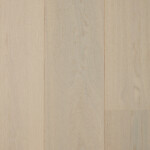
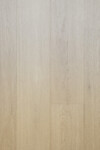
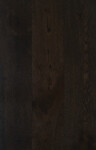
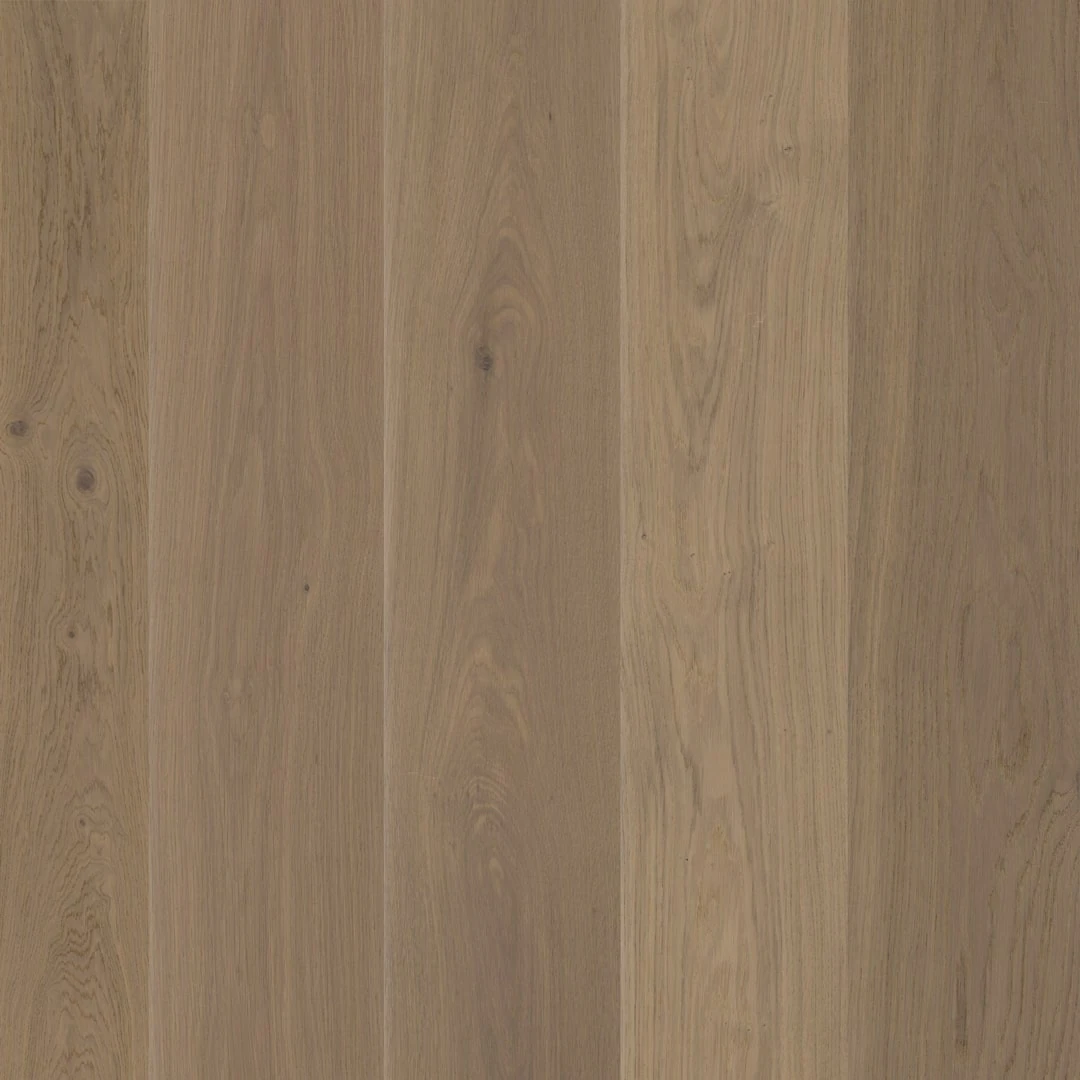
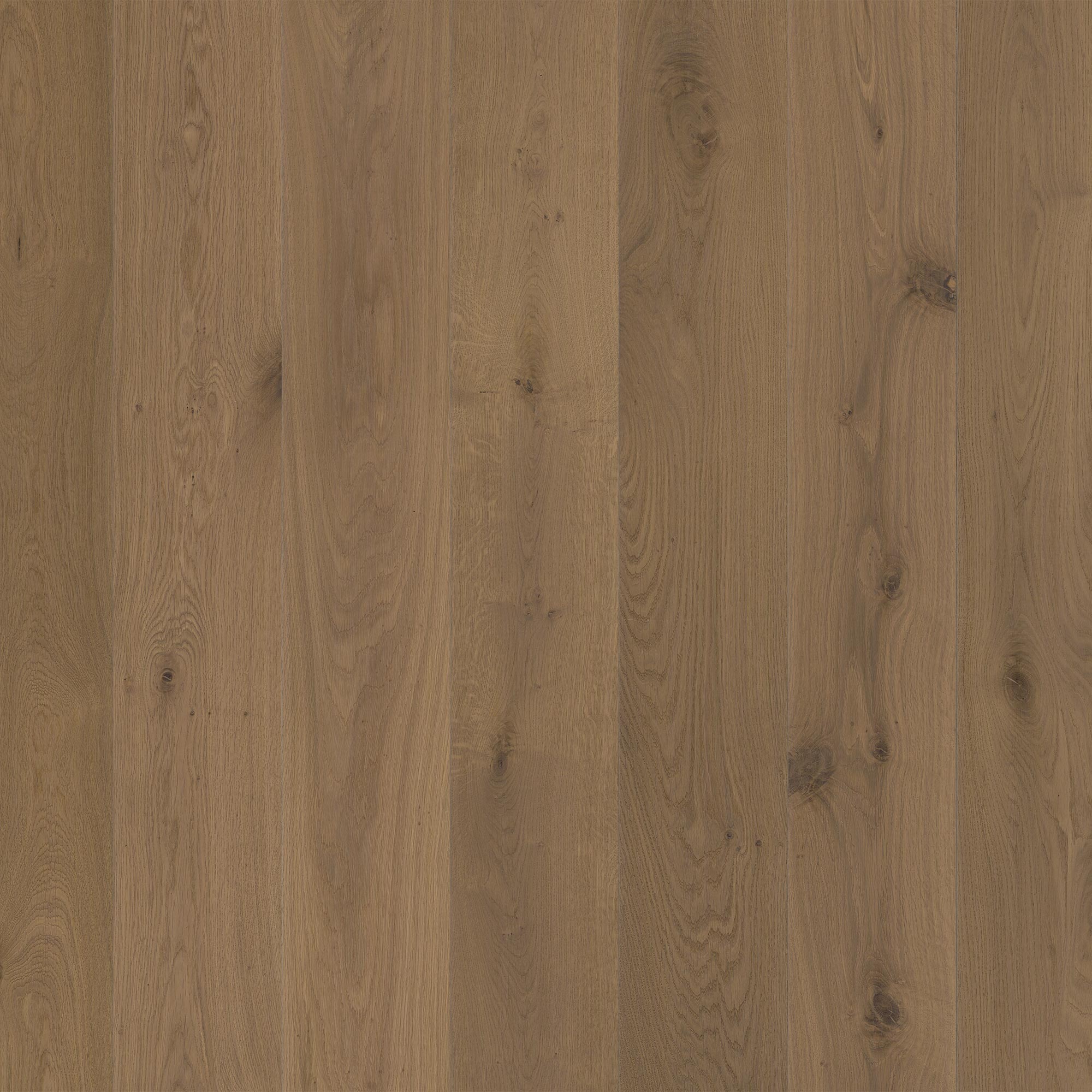
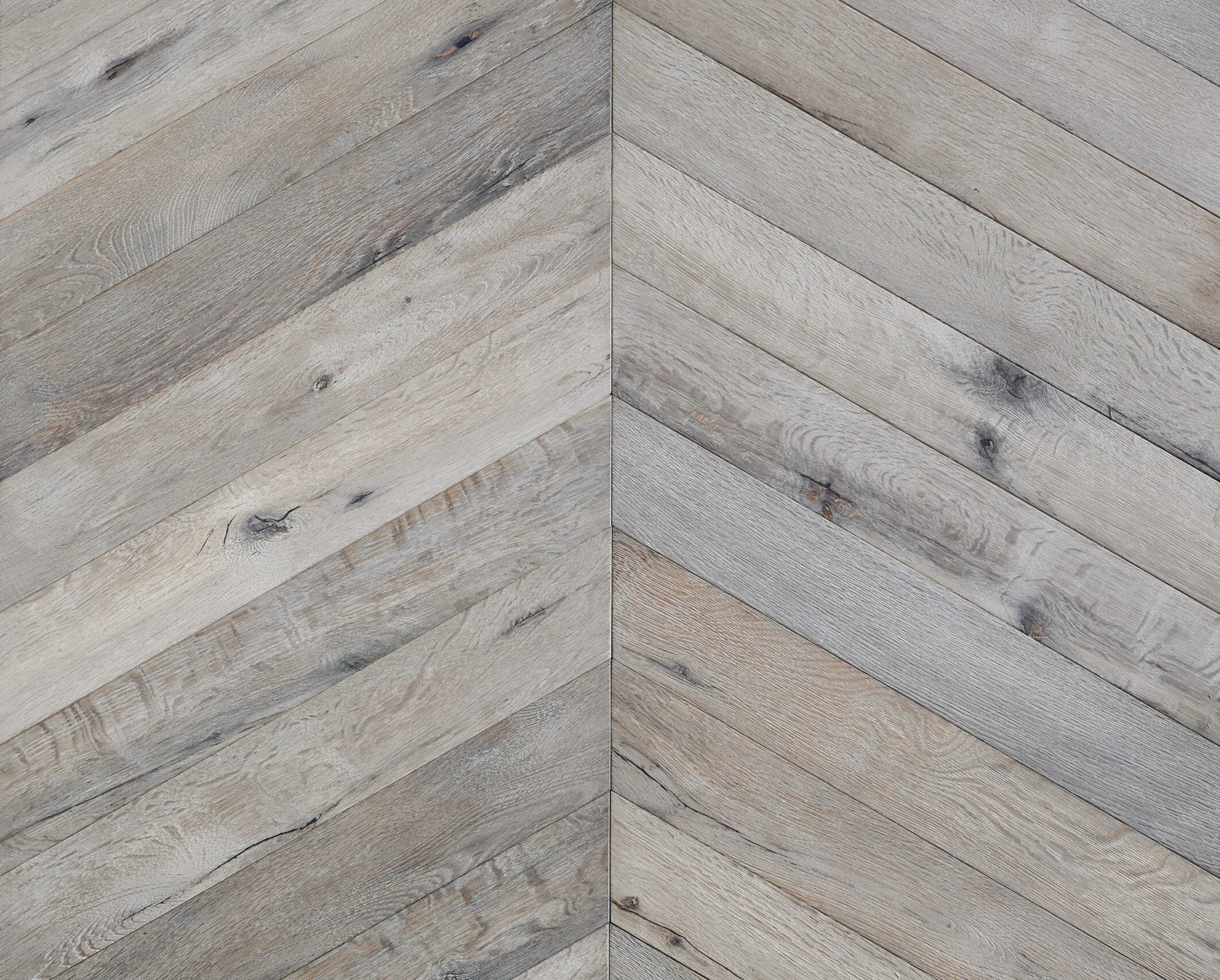
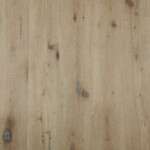
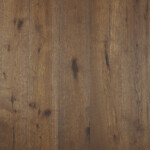
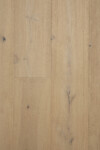
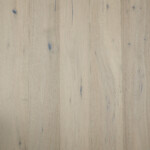
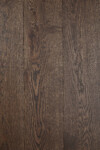
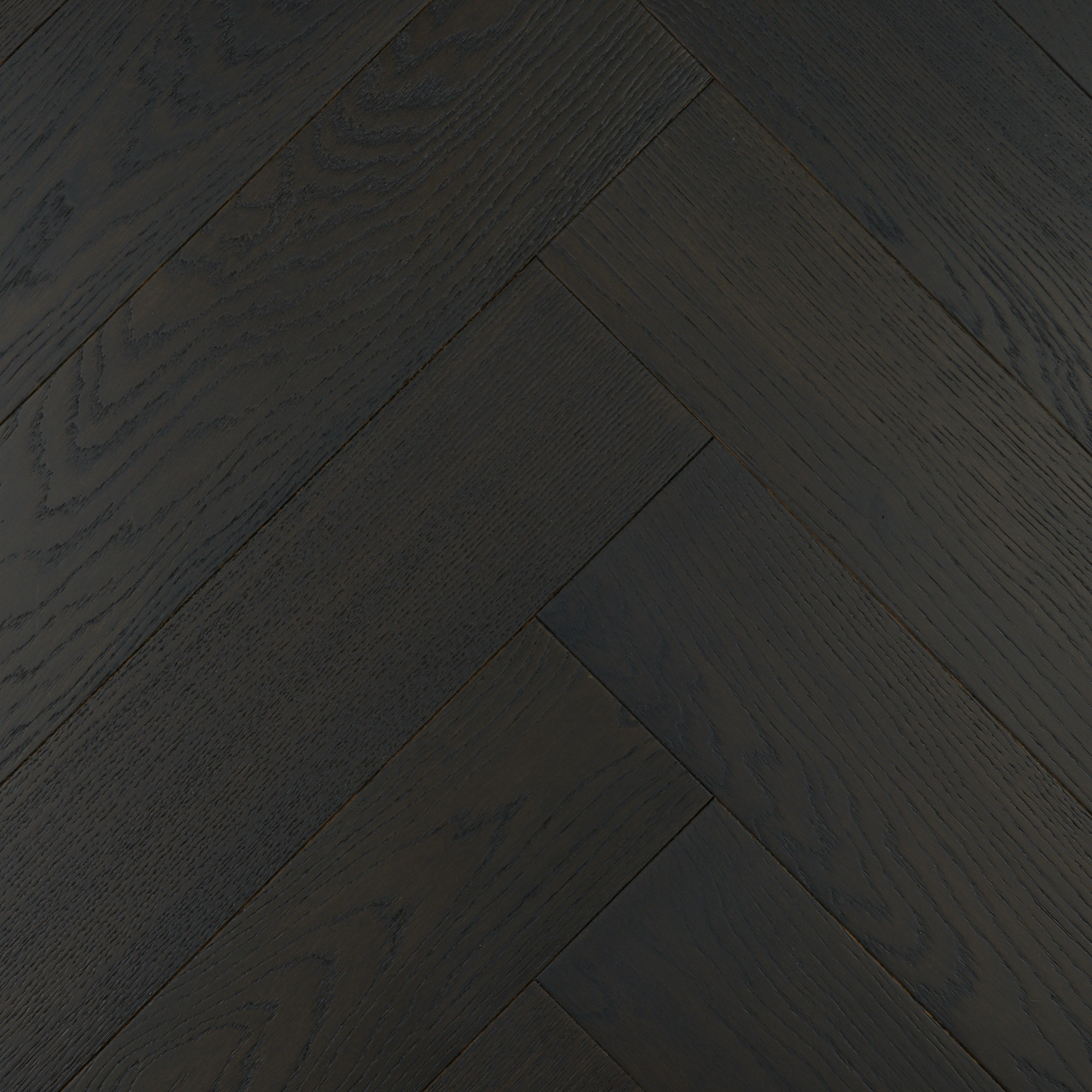
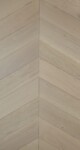
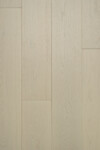
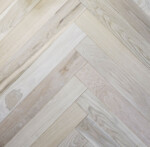
Kustom Timber’s commercial timber flooring range, the Project Series, was built specifically to meet the demands of high-traffic commercial environments. Developed in close collaboration with architects, interior designers, and builders across Australia, it reflects a genuine understanding of what commercial projects require at specification stage.
Key technical credentials include FSC and PEFC-certified sourcing, commercial-grade UV coating systems, 25-year structural warranties, and compliance with relevant Australian Standards.
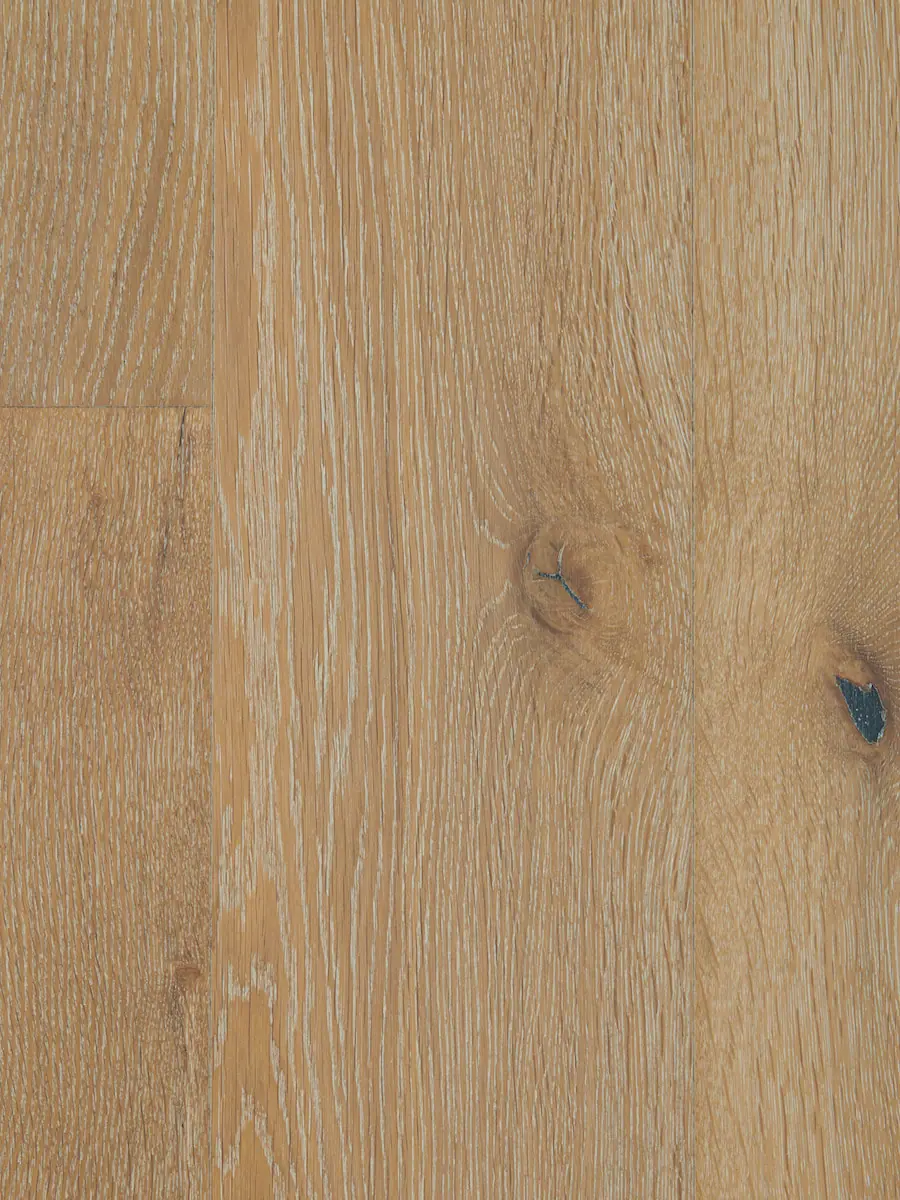
Textures and grades introduce visual depth and authenticity. However, in large spaces, heavy characterful grades read beautifully in smaller projects, but when consistency across larger projects is key, a prime grade is the preferred choice. Providing designers, architects and builders with a reliable and consistent aesthetic at scale.
Design by sector: different environments, different demands
Hospitality: Cafes, restaurants, bars, and hotels need surfaces that hold up under daily cleaning, resist moisture ingress, and maintain visual warmth even in high-use zones. Slip resistance is a mandatory consideration. Subfloor preparation and the use of appropriate adhesives are equally critical for longevity.
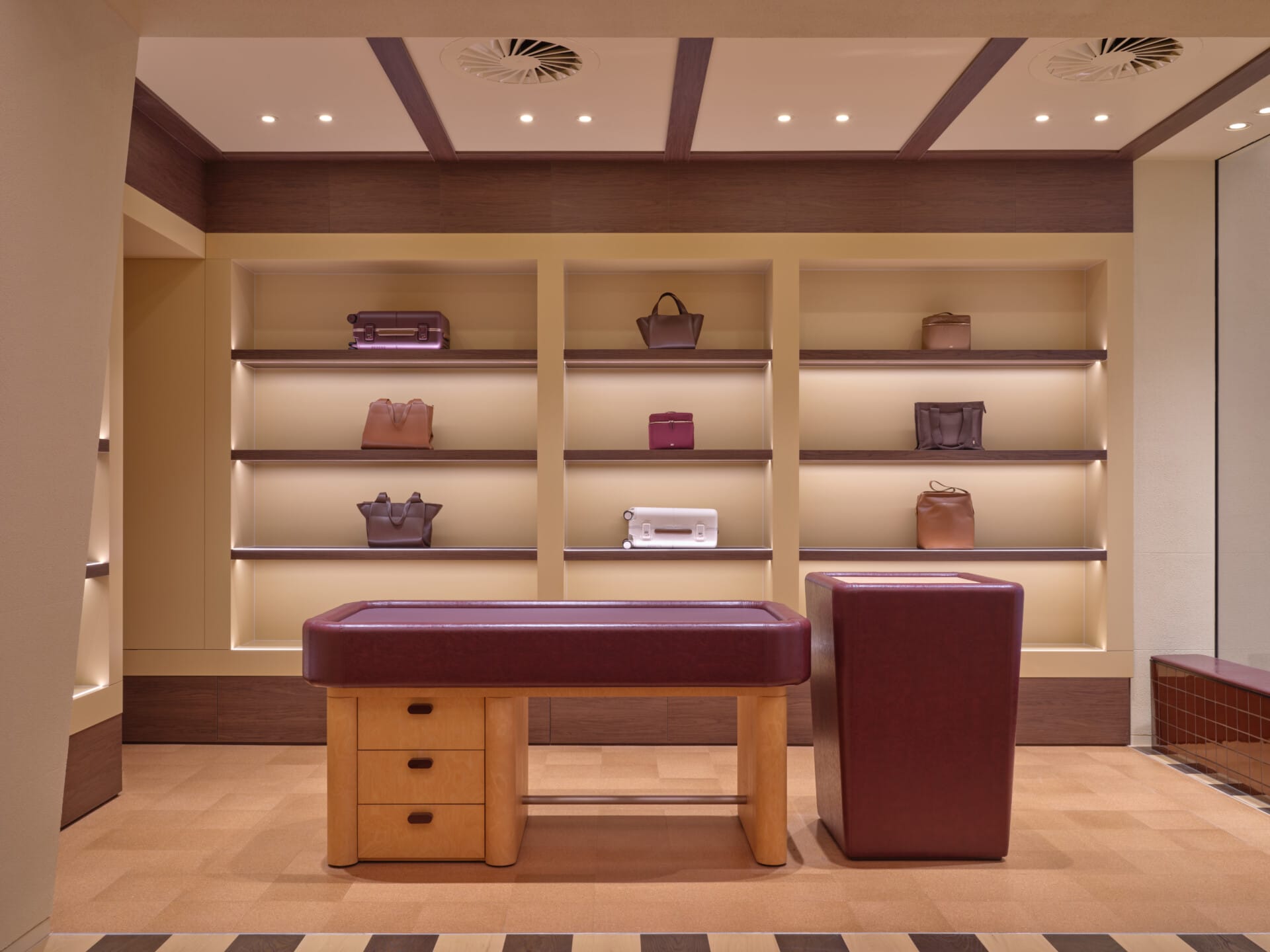
Retail: Retail spaces require flawless presentation from day one, because the floor is part of the brand. Entry zones and high-circulation paths need scratch-resistant finishes and boards long enough to reduce visual interruption across open areas. The Project Series offers optimised board lengths specifically to support consistent presentation at scale.
Office and workplace: Corporate environments prioritise acoustic performance, visual consistency, and low maintenance. Timber flooring contributes acoustic warmth that hard mineral surfaces can’t replicate, reducing reverberation in open-plan environments. Long-term durability with minimal disruption for refinishing makes engineered timber a strong choice for lease cycles of five years or more.
Gyms and movement studios. A sector often overlooked in timber specification, but one where the material performs well when correctly detailed. Kustom Timber has installed floors in pilates studios and boutique gyms across Melbourne and Brisbane. The multi-ply construction handles the humidity fluctuation common in these environments. The right underlay manages acoustic performance and impact absorption.
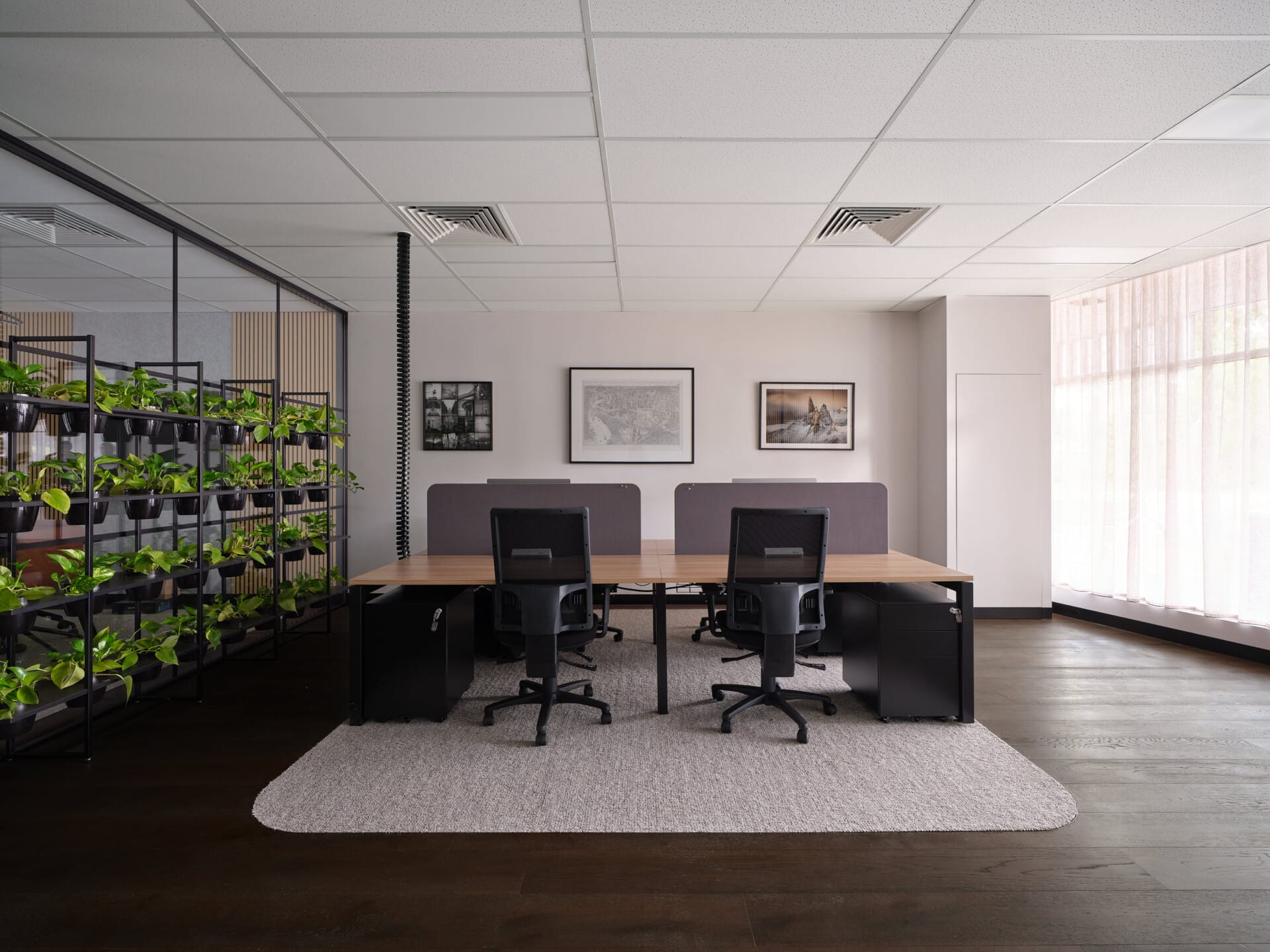
Biophilic design in practice: using a wall of plants as a wall divider may not be a practical solution for everyone but there’s no denying the life it brings to the space.
Current design trends shaping commercial interiors
Biophilic design continues to drive material choices toward natural, organic finishes. Timber sits at the centre of this, offering genuine warmth and variation that manufactured materials can’t replicate. The trend runs across hospitality, wellness, and workplace design.
Warm neutrals and natural grain patterns are performing strongly in retail environments, particularly in the premium and luxury segments. There’s a deliberate move away from the cold-industrial aesthetic that dominated commercial interiors through the 2010s. Specifiers are leaning into texture, grain, and warmth.
Sustainability credentials are no longer optional in commercial specification. FSC certification, responsible sourcing documentation, and lifecycle data are increasingly requested at tender stage. The Project Series is positioned to meet these requirements directly.
Longevity and lifecycle thinking
The true cost of a commercial floor isn’t the installation cost. It’s the total lifecycle cost: maintenance, refinishing, and eventual replacement.
Engineered timber flooring, specified correctly and maintained to manufacturer guidelines, can last 25 years or more in commercial environments. Regular vacuuming, the use of appropriate cleaning products, and periodic re-coating extend surface life significantly, even in high-traffic zones. A 3mm wear layer allows for multiple refinishing cycles, meaning the floor can be restored rather than replaced.
This changes the economics considerably when compared to materials with shorter replacement cycles. It also reduces the environmental footprint of the space over time.
Frequently asked questions
Can timber flooring handle the demands of a busy commercial environment?
Yes, when correctly specified. Engineered timber with a commercial-grade wear layer and appropriate finish is designed for high-traffic use. The specification needs to match the application — a restaurant has different requirements to a boutique retail floor. Early engagement with a commercial timber specialist ensures the right product, finish, and installation approach for the specific environment.
What’s the difference between commercial and residential timber flooring specifications?
Commercial specifications account for higher foot traffic, more frequent cleaning, slip resistance requirements under the National Construction Code, and acoustic performance. Products designed for commercial use typically feature thicker wear layers, harder coating systems, and more robust dimensional stability under fluctuating conditions. Warranties and compliance documentation are also more detailed for commercial applications.
How early should a timber flooring specialist be involved in a commercial project?
As early as possible. Early engagement during the design phase allows for accurate material procurement scheduling, subfloor assessment, and coordination with the broader construction programme. Late engagement often results in substitution, cost overruns, or installation compromises that affect long-term performance.
Bring your commercial project to life
If you’re specifying a commercial fit-out and want to understand how the Project Series performs across your application, explore the full commercial timber flooring range or get in touch with the Kustom Timber team. We work directly with architects, designers, and builders from specification through to final handover.