
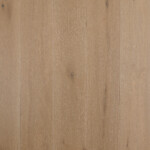
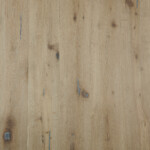
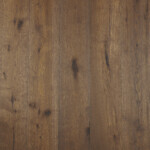
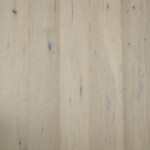
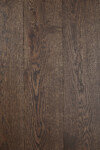
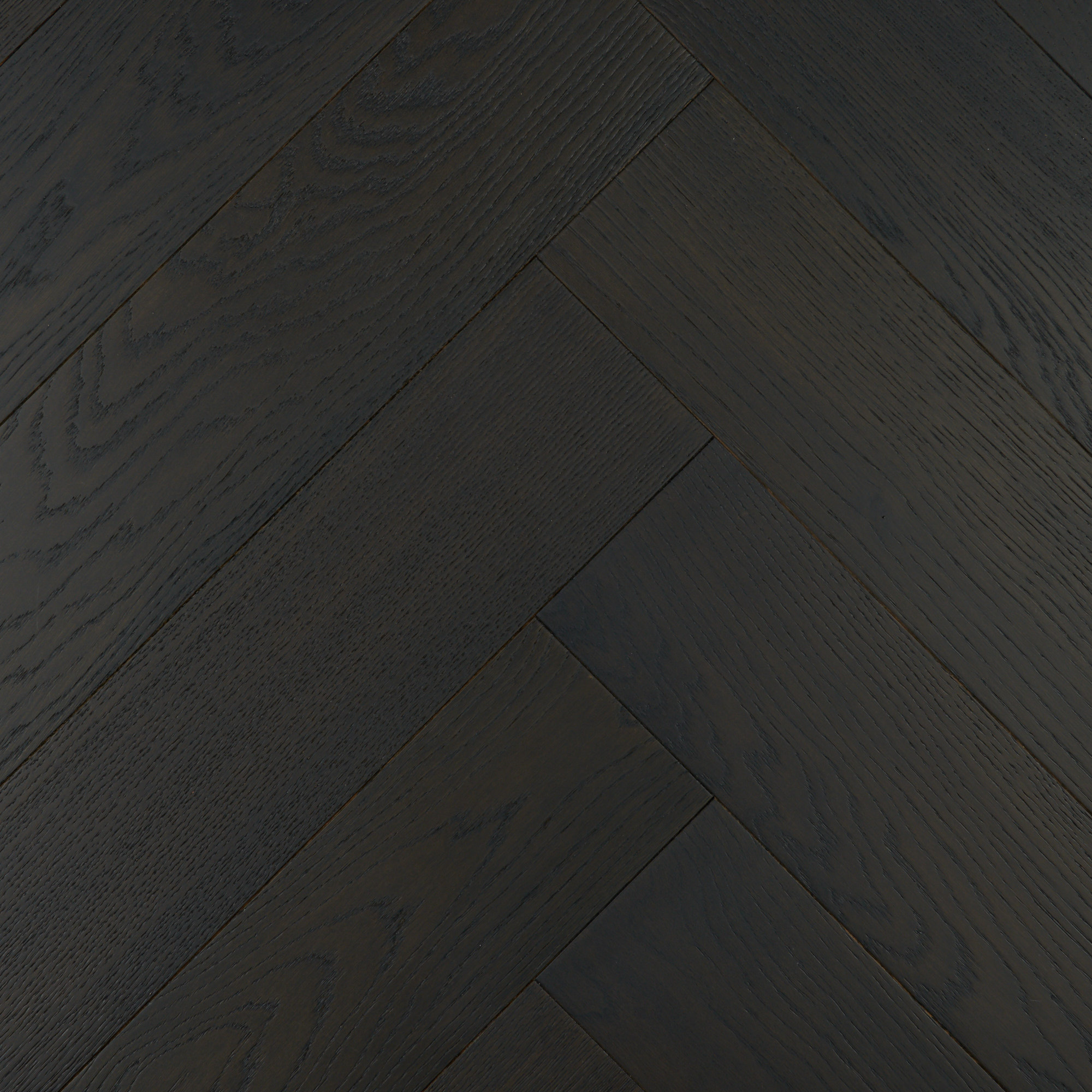






This article covers Engineered Timber Flooring. For more info on on the service visit Engineered Timber Flooring product pages.
The quick version:
- Solid timber flooring is cut from a single piece of hardwood. Engineered timber flooring has a real hardwood top layer bonded to a cross-laminated plywood core.
- Once laid, the two look the same. Engineered is more stable and suits concrete slabs and underfloor heating, while solid can be sanded back more times over its life.
- European oak comes in both forms, so choosing oak doesn’t decide the question for you. Your subfloor, heating and the look you want usually do.
The main difference between engineered and solid timber flooring is what sits under the surface. Solid boards are hardwood all the way through. Engineered boards have a genuine hardwood wear layer on top of a multi-layer core, which makes them more stable in changing temperature and humidity.
Both give you a real timber floor. Which one suits your home depends on where it’s going, what’s underneath it and how you want it to age. We’ve been laying both since 2013, so here’s how we explain the difference in our showrooms.
What is engineered timber flooring?
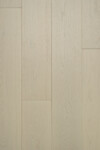
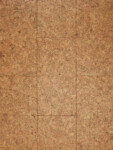
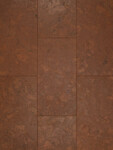
Engineered timber flooring is a layered board with real hardwood on top. In our engineered timber flooring range, a 3mm or 4mm European oak wear layer sits on a cross-laminated plywood core, in boards from 14mm to 20mm thick.
The layers run in different directions, so the board resists the expansion and contraction that timber naturally goes through. Our engineered oak flooring comes pre-finished in UV oil or UV lacquer, which means no sanding or coating on site once the boards are down.
Engineered timber is sometimes confused with hybrid or laminate. Those floors use a printed or synthetic surface. Engineered timber is real wood you can sand and refinish, which we cover in our engineered timber vs laminate guide.
What is solid timber flooring?
Solid timber flooring is milled from a single piece of hardwood, so the species you see on top runs right through the board. Our solid oak flooring is natural-grade European oak, supplied unfinished, with the stain, finish and plank size customised to each order. It’s sanded, stained and coated on site once laid.
That on-site finishing is one of solid timber’s strengths. You can choose a custom stain and an oil, lacquer or hard wax oil finish, and the whole floor is coated as one surface once it’s laid.
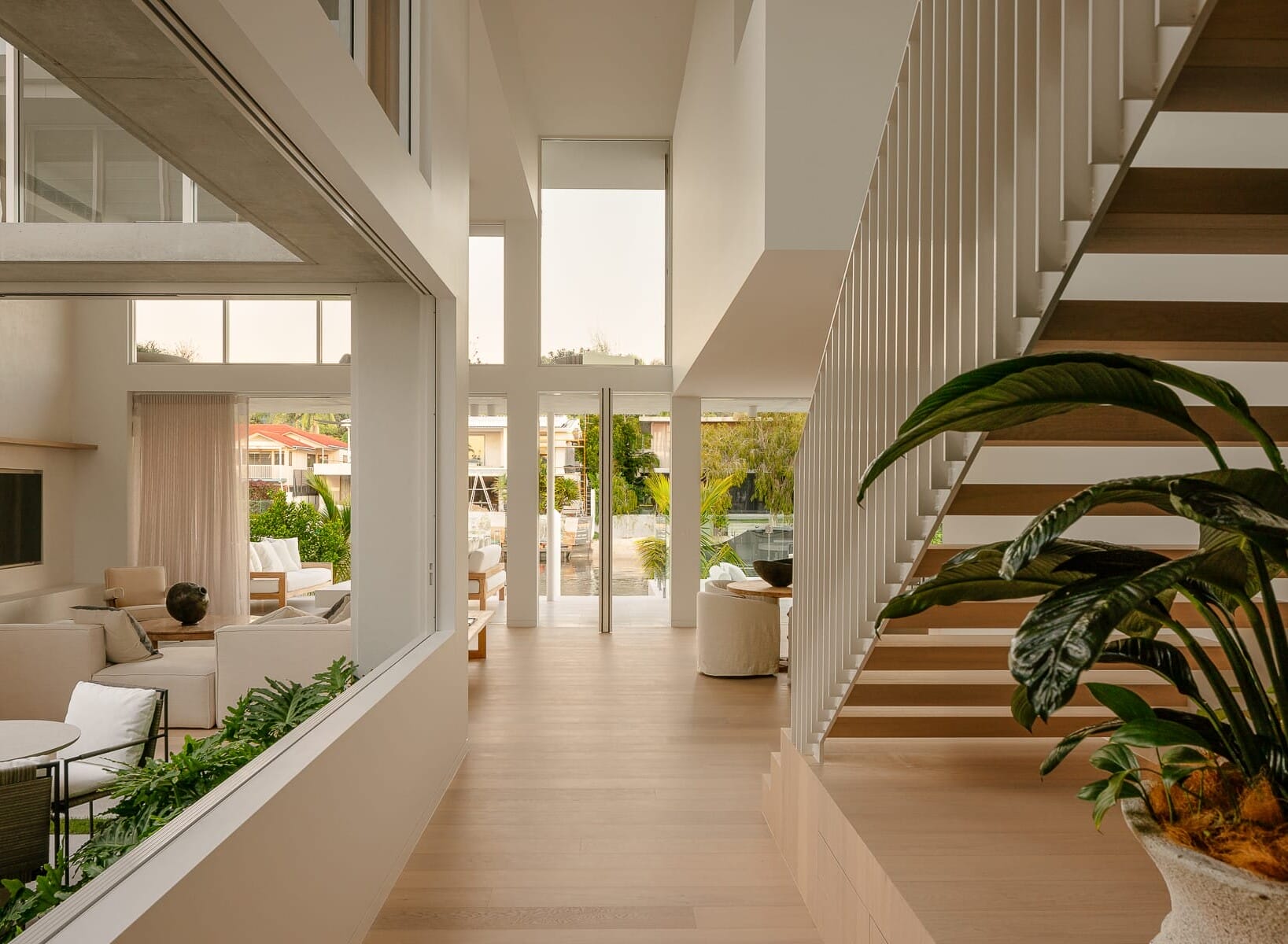
Engineered vs solid timber flooring at a glance
| Engineered timber | Solid timber | |
|---|---|---|
| Construction | European oak wear layer (3mm or 4mm in our range) on a cross-laminated plywood core | One piece of hardwood through the full thickness |
| Look once laid | Real timber grain, identical on the surface | Real timber grain |
| Stability | High: resists cupping, gapping and warping with seasonal change | Moves more with temperature and humidity |
| Concrete slabs | Glued directly to the slab | Needs more preparation and careful moisture control |
| Underfloor heating | Suits hydronic, electric and diffuser-plate systems | Generally less suited |
| Finish | Pre-finished in the factory (UV oil or UV lacquer) | Finished on site: oil, lacquer, hard wax oil or custom stain |
| Sanding and refinishing | Can be sanded and refinished; a 3mm wear layer typically allows two to three full sands, and a 4mm layer more | Can be sanded many more times over its life |
| Board formats | Planks up to 260mm wide and 2,900mm long, plus herringbone and chevron | Planks, herringbone and chevron |
| Timber use | Uses less slow-grown hardwood per square metre | Uses more hardwood per square metre |
Can you sand engineered timber flooring?
Yes, as long as the wear layer is thick enough. Our engineered boards have a 3mm or 4mm European oak wear layer. As a guide, a 3mm layer allows two to three full sands over the life of the floor, and a 4mm layer allows more. In a home, a well-maintained floor may only need a full sand once every couple of decades, and a fresh maintenance coat often does the job in between.
Solid timber has more usable timber above the tongue, so it can be sanded back more times. That matters most for heritage homes and floors you expect to last a century. For most renovations, a 3mm or thicker wear layer gives you decades of life. Our sanding and polishing team can advise on what your floor can take.
How does the cost compare?
There’s no fixed price gap between the two. The details of your project matter more than the category. The main cost drivers are wear-layer thickness, oak grade, board width and length, finish, subfloor preparation and installation.
Solid timber needs sanding and coating on site, which adds labour and time before you can move back in. Engineered boards arrive pre-finished, so the floor is ready sooner. Wider boards and thicker wear layers cost more in either. Our guide to choosing the best timber flooring covers price per square metre in more detail.
Where does oak fit?
European oak is available as both engineered and solid flooring, which is why so many people search for engineered vs solid oak flooring specifically. The oak itself is the same species, grain and character. The difference is construction.
Our engineered oak flooring comes in three ranges:
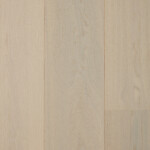
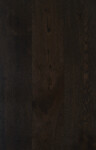
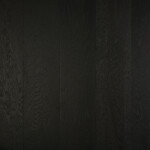
- Habitat: Prime and Natural grade oak in 190mm and 260mm planks, herringbone and chevron, from pale Alta to Black Japan and matte black Blackcomb.
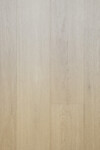
- Peninsula: Feature grade oak in 220mm planks with a UV oil finish, named for the Mornington Peninsula coast, including Bushrangers and St Andrews.
- Como: 20mm boards up to 260mm wide and 2,900mm long, designed for larger homes.
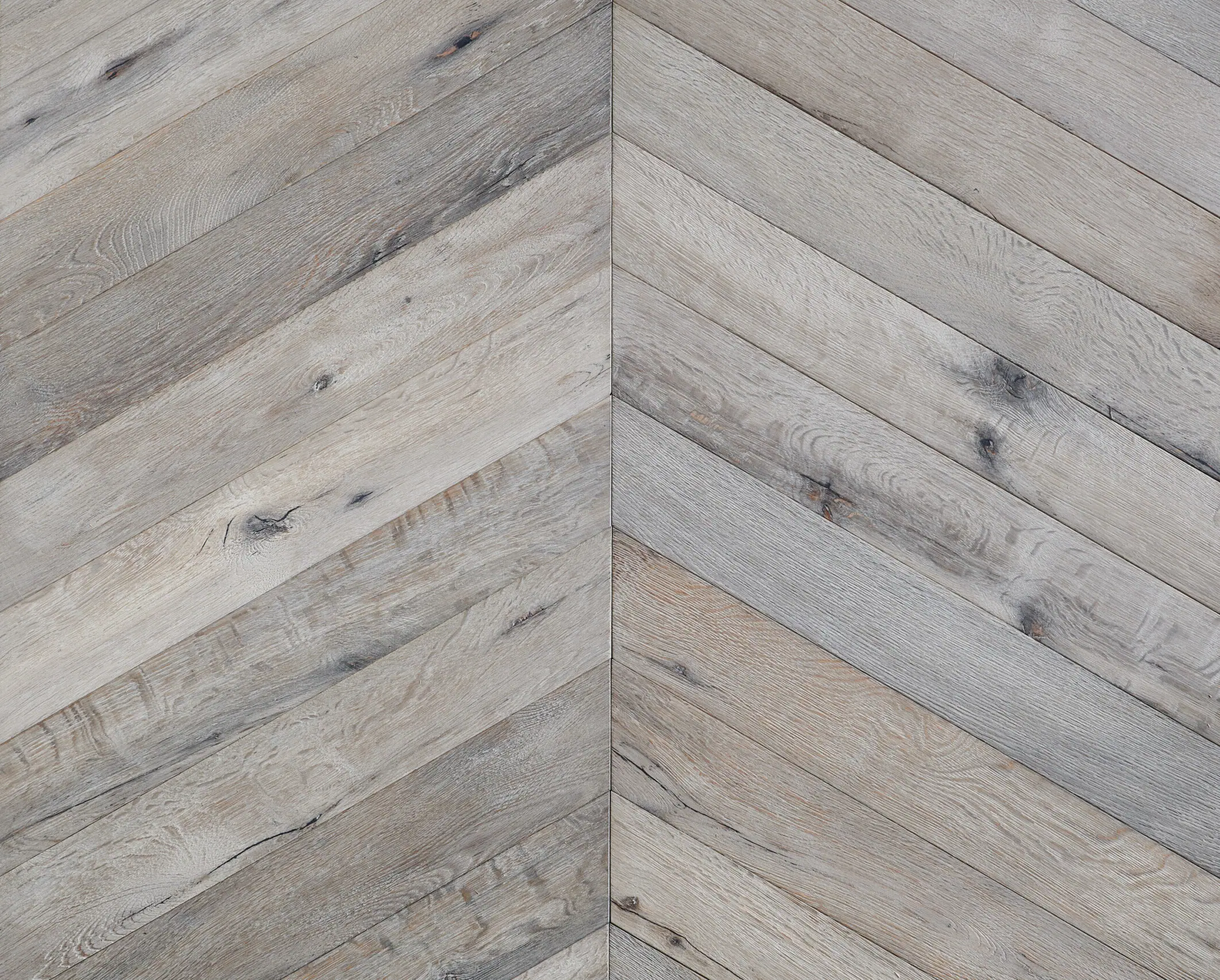
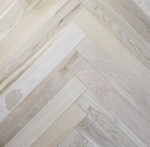
Herringbone and chevron are available in both engineered and solid oak. Our solid European oak suits clients who want the floor stained and coated on site as one surface, whether as planks or a classic herringbone or chevron pattern.
Engineered or solid: which should you choose?
Choose engineered timber if:
- You are building or renovating on a concrete slab.
- You have, or plan to add, underfloor heating.
- You want wide or long boards in an open-plan space (up to 260mm wide in our range).
- You want a pre-finished colour and a shorter installation.
Choose solid timber if:
- You want the floor stained and coated on site as one continuous surface.
- You are restoring a period home with timber joists or matching existing boards.
- You want the most sanding life possible from your floor.
If you are still between the two, see both side by side. The difference is easier to understand standing on it.
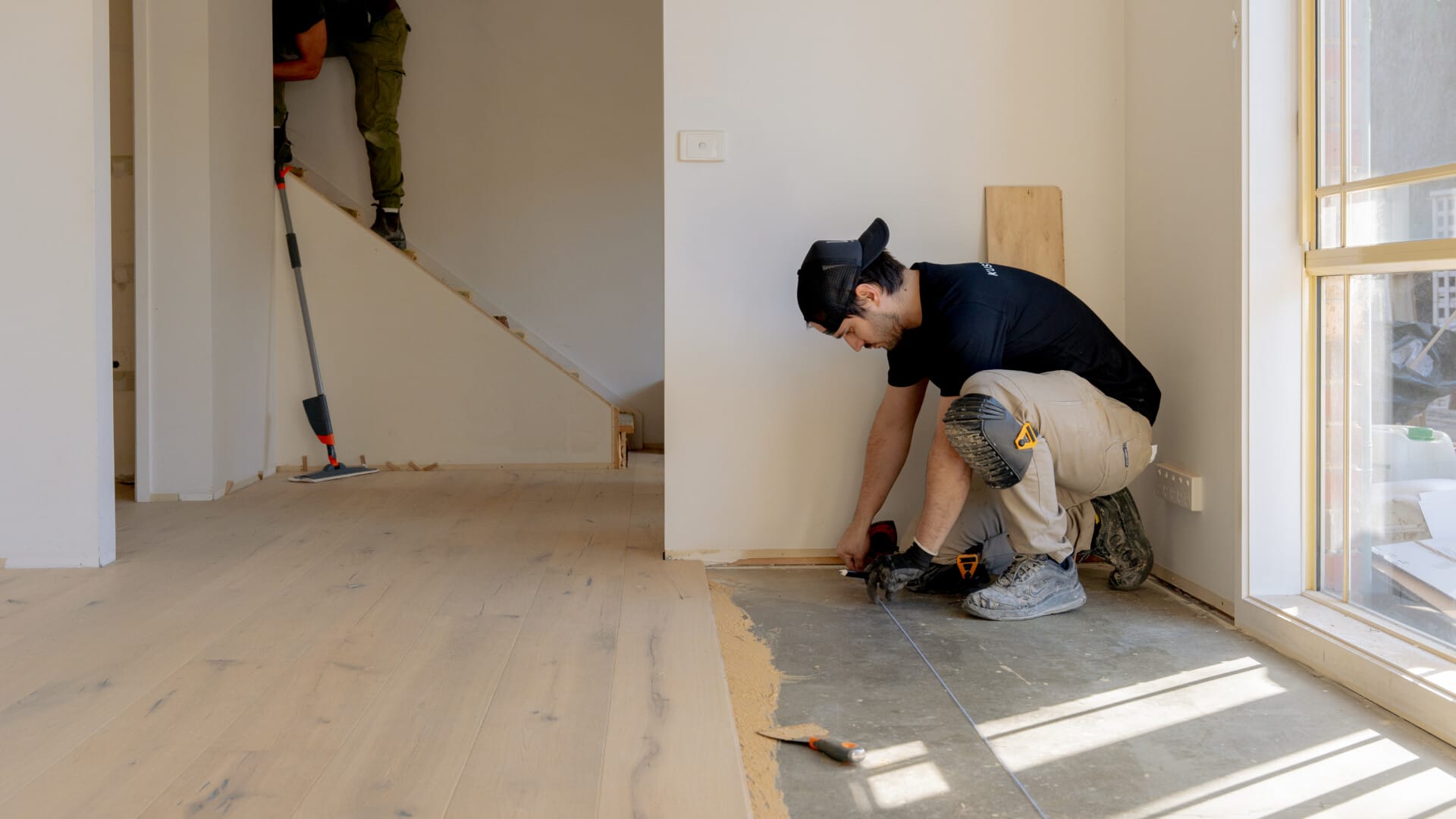
How we help you choose
Every project starts with a showroom consultation, followed by a check measure and on-site meeting. We look at your subfloor, moisture levels and heating, talk through how the space is used, then recommend the board and installation method that suit it. Every project has a dedicated project manager, from pre-site inspection to handover. Our own team handles the installation, and applicable products carry a 25-year structural product warranty, plus our 10-year installation warranty when laid by an approved installer.
Book a consultation at our Cremorne or Mornington showroom or contact us now.
Frequently asked questions
Is engineered timber real wood?
Yes. Engineered timber has a real hardwood top layer, such as European oak, bonded to a plywood core. The surface you walk on is genuine timber with natural grain, and it can be sanded and refinished.
Can you tell the difference between engineered and solid timber once it’s laid?
No. Once installed, both show the same real timber surface. The difference is underneath, in how the board is built and how it behaves with changes in temperature and humidity.
Does engineered timber last as long as solid timber?
A quality engineered floor with a wear layer of 3mm or more lasts for decades with proper care. Solid timber can be sanded more times, so it can last longer in theory, but installation quality and maintenance matter more than construction for most homes.
Can engineered timber go over underfloor heating?
Yes. Our engineered boards suit hydronic, electric and diffuser-plate systems when glued directly to the slab. We confirm the subfloor, moisture and heating details at the site visit.
Is engineered oak flooring better than solid oak?
Neither is better across the board. Engineered oak is more stable and suits slabs, heating and wide boards. Solid oak suits on-site custom finishes and offers more sanding life. The right one depends on your home.